What do you use your bike for?
This is the very first question to ask because your use is the most important criterion for choosing the best road bike tires. Do you ride exclusively on the road or do you also practice off-road activities such as gravel or cyclocross?
If you are a 100% road cyclist, click here.
If you do some off-road, click here.
Road use
1 - Our best road bike tires for competition
If you're focused on competitive racing, there are key factors to consider for maximizing performance: low rolling resistance, puncture protection, and wet grip. In time trials, rolling resistance has a direct impact on your speed and efficiency.
To improve your results in competition taking these criteria into account, we recommend the Michelin Power Cup tire range, our best road bike tire for competition, which is available in three versions:
Tubetype (with inner tube)
Tubeless ready (with or without inner tube). In the latter case, a tire sealant is necessary to seal the tire and the rim. In the event of punctures, the fluid seals the small holes and allows you to continue riding.*
Tubular: The tubular is glued to a special rim to ensure correct compatibility.
Which version to choose?
First check if the choice is possible, i.e. if your wheels are compatible with either version. If you have the choice, then we recommend the Tubeless Ready option to maximize your performance. This offer stands out as the best in competition for this type of tire.
Can you optimize your bike by changing the sections?
Yes, choosing different tire sections can optimize your bike's performance, provided you check compatibility beforehand.
For example, if your current tires are 25mm wide and your bike can accommodate 28mm or 30mm tires, it is advisable to choose according to your use:
If you frequently compete on good roads and are a fairly light rider and can inflate your tires to the maximum for optimum rolling resistance, then it is best to stick with 25mm tires.
If you are an occasional competitor and ride mainly on normal roads where comfort is important, it may make sense to opt for 28mm or even 30mm tires, provided your bike and wheels are compatible.
2 - Our best road bike tires for training
For training, your tires should be durable, versatile, and able to handle a variety of conditions, including wet roads and occasional debris. A good training tire balances wet grip, puncture resistance, and longevity.
If you are exclusively dedicated to training, our best road bike tire for training is the Michelin Lithion tire range, which is only available in a tubetype version and therefore requires an inner tube.
Although a little heavier, this tire offers an interesting compromise, with a slightly lower rolling efficiency, but a higher durability and wear resistance than the Michelin Power Cup tire range.
Can You Optimize Your Bike by Changing Tire Widths?
For training, consider wider tires if possible. They provide better comfort and control on long rides.
3 - Our best road bike tires for everyday use
For urban travel and commuting, there are several tires that can meet the performance requirements and adapt to your specific needs:
The Michelin Lithion tire range which offers good durability and puncture resistance and also a good dry and wet grip.
The Michelin Dynamic Classic tire, a perfect day-to-day partner thanks to its strength and durability.
The Michelin Dynamic Sport tire, a strong tire with good grip and durability, available in a variety of colors.
What about electric bikes?
Most e-bikes on the market are classified as E-25, meaning their motors assist up to 25 km/h (15.5 mph). All Michelin road tires are E-25 compatible, making them suitable for standard e-bikes.
Since electric bikes are heavier than standard bicycles, we recommend Michelin City tires for added durability and comfort. Their larger cross-section absorbs more impact and improves performance for e-bike riders.
4 - Our Best Road Bike Tires for Year-Round Riding
All-season bicycle tires are specially designed for year-round use and offer many benefits to cyclists. Our Michelin Power All Season tire, thanks to its excellent grip, ensures optimal road holding in all seasons, providing a safe and comfortable riding experience in all weather conditions.
If you're looking for maximum puncture protection, the Michelin Power All Season tire is an excellent choice. It features a reinforced tread for greater durability, reducing the risk of punctures and ensuring reliability on rough roads.
For training and daily riding, this tire provides a balanced mix of performance, safety, and longevity. While its rolling efficiency is slightly lower than pure racing tires, its increased wet grip and puncture resistance make it a smart investment for long-term use.
Off-Road Riding
If you ride on the road but also practice off-road activities, this section will be more relevant to you.
1 - Our best road bike tires for gravel
The use of gravel tires has its origins in Northern America, where they have been used for a long time because of the poor road conditions. These tires have been specifically designed to offer greater comfort and resistance to pinch-shock. The wider the tire, the more it can be driven at low pressures, thus reducing the risk of punctures.
We have two offers to suit your gravel tire needs:
If you ride on roads and paths with roots, stones or even a little mud, opt for our Michelin Power Gravel range (off-road / road use = 50/50), equipped with knobs all over the surface.
If you mainly ride on the road and occasionally use towpaths or forest tracks, choose our Michelin Power Adventure range (off-road / road use = 80/20), with sipes on the lateral part of the tread.
To find out more, read our article on choosing gravel tires.
2 - Our best road bike tires for cyclocross
Cyclocross tires are designed for competition. A specific bike is needed for cyclocross, which is mostly performed in winter. Cyclocross tires are quite thin and equipped with knobs, suitable for muddy surfaces and obstacles.
Depending on the type of terrain, we have two offers:
For dry terrain, opt for the Michelin Jet tire. The Tubeless Ready version is more affordable and suitable for amateur competitors. For those looking for performance in competition, choose the Tubular version (tubular).
For muddy terrain, the Michelin Mud tire is recommended. The Tubeless Ready version is also more affordable and suitable for amateur competitors. The Tubular version (tubular) is ideal for high level competitions.
The Michelin Cyclocross Mud tire is a good choice for muddy terrain
To find out more, read our article on choosing cyclocross tires.
FAQ
Read our Frequently Asked Questions.
Rolling resistance, grip (particularly in wet conditions), and puncture protection — in that order for most riders. Road riding rewards efficiency: a tire that rolls with less energy loss means faster riding at the same effort. Grip matters most in corners and in rain. Puncture protection keeps you riding instead of repairing at the roadside. Weight becomes more significant for competitive racers. For everyday training and commuting, durability and puncture resistance often outrank peak performance.
Wider road tires have become mainstream and offer real performance benefits for most riders. A 25mm or 28mm tire at the right pressure rolls efficiently on typical roads while providing more comfort and resilience than the narrower tires that were standard a decade ago. Very light, competitive racers on smooth courses may still choose 25mm or narrower for minimum rolling resistance. For most riders on normal road surfaces, 28mm or 30mm offers a better all-round balance of speed, comfort, and grip — provided the bike's frame clearance allows it.
Racing tires prioritize low rolling resistance, lightweight construction, and peak grip — characteristics that win races but wear faster and often carry less puncture protection. Training tires sacrifice a small amount of outright speed for greater durability and puncture resistance, which are more valuable across thousands of training kilometers. For dedicated training, a heavier and more durable tire is a sensible economic and practical choice. Keep your racing tires for events and use training-specific models for everyday riding.
Both are legitimate depending on priorities. Tubeless road tires offer better puncture protection (sealant plugs small holes automatically) and allow slightly lower pressures for grip and comfort without pinch flat risk. The trade-off is a more involved fitting process and the need to maintain sealant every few months. Tube-type tires are simpler to fit and repair at the roadside. For competitive riders and those who want maximum flat protection on long rides, tubeless offers clear advantages. For casual road riders who prefer simplicity, tube-type remains practical.
Yes. All-season road tires use compounds formulated to maintain grip in cold and wet conditions where standard summer compound road tires lose effectiveness. They typically carry more puncture protection and feature tread patterns that manage water better. The trade-off is slightly higher rolling resistance than a dedicated summer performance tire. For year-round riding in climates with cold, wet winters, an all-season road tire provides consistent performance and reliability. For summer-only competitive riding, a dedicated summer compound is faster.
Significantly. At the correct pressure for the rider's weight and tire width, the tire delivers its designed combination of rolling resistance, grip, and ride quality. Too high and the tire becomes harsh, loses grip at the contact patch's center, and is more vulnerable to puncture from impact damage. Too low and the tire rolls with more resistance and risks pinch flats in a tubed setup. Michelin's bike pressure guide on michelinman.com provides pressure recommendations based on rider weight and tire width.
Related articles
-
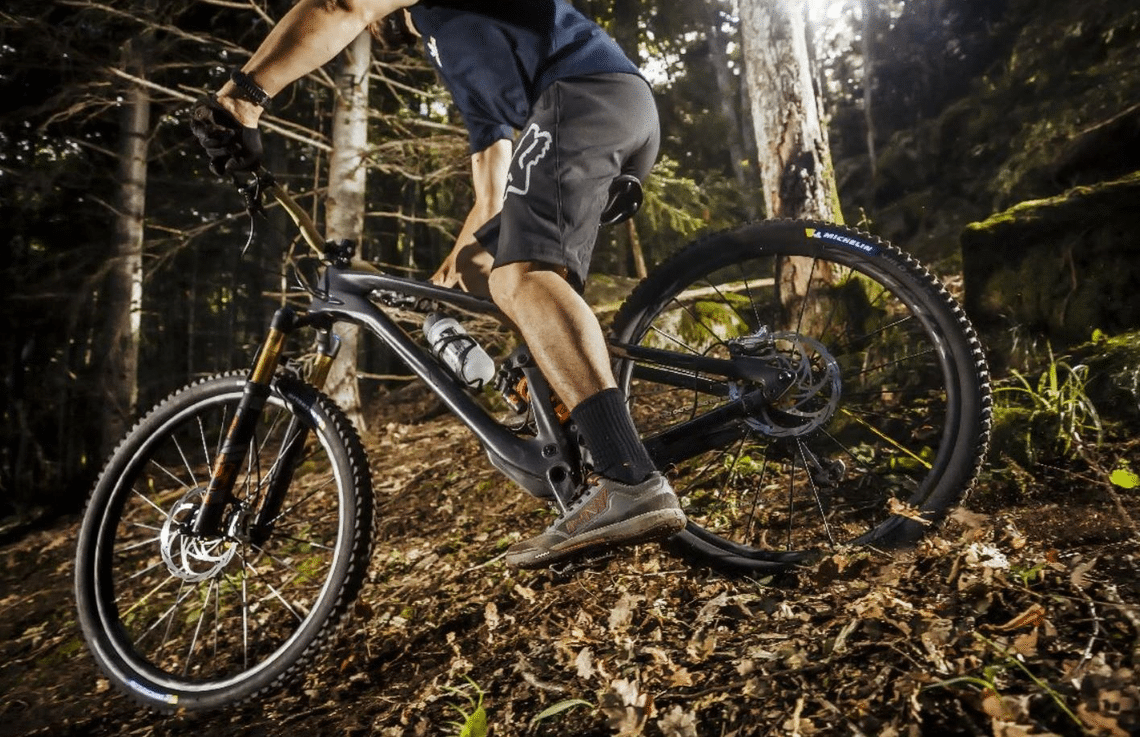
How to choose your bike tire?
Start by identifying your riding category: road and performance, city and commuting, or mountain biking. Each has different requirements for tread, casing, width, and construction. Within your category, identify the surfaces you ride most and whether your primary priority is speed, durability, or puncture protection. Confirm what your bike can fit in terms of tire width, and decide between tube-type, tubeless ready, and tubular setups based on how much flat protection you want versus installation simplicity.Learn more -
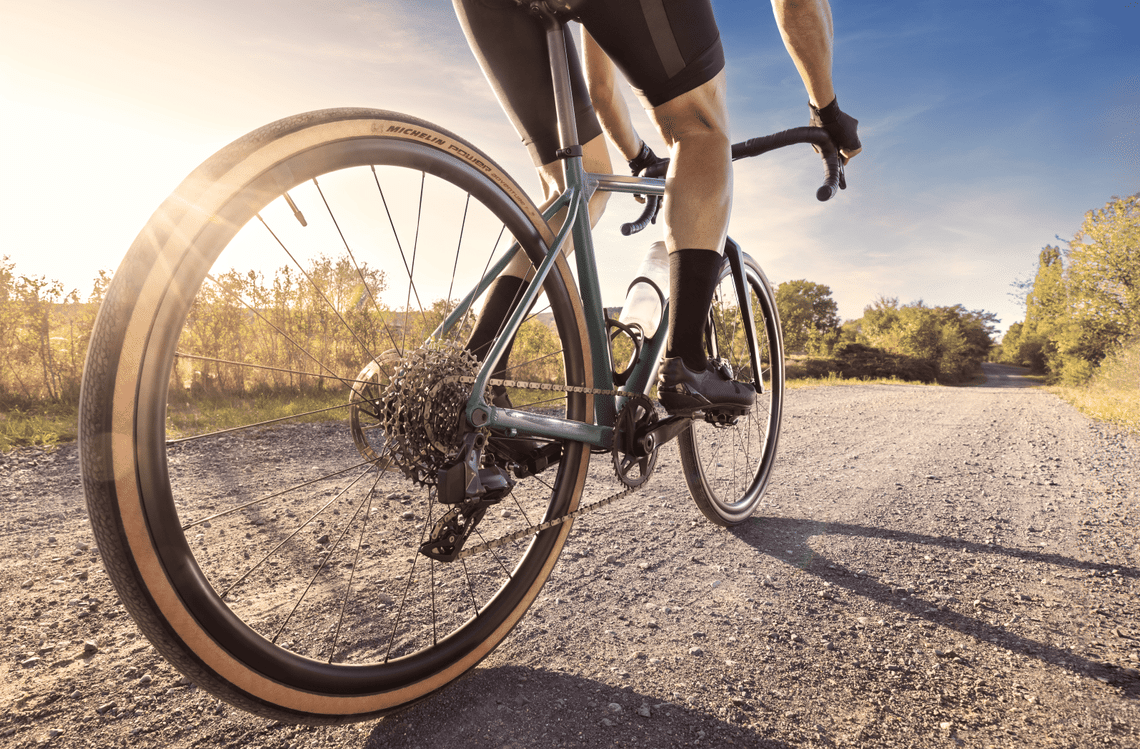
How to choose the best gravel tires for your bike?
The right gravel tires can make all the difference, especially when you venture off the beaten path. This is particularly true for gravel cycling, where tire selection directly impacts your riding experience. In this article, we'll walk you through the key factors for choosing the best gravel tires, explain the differences between our models, and help you find the perfect option based on your riding style and the terrain you'll encounter. Get ready to ride with confidence, comfort, and speed on diverse trails!Learn more -
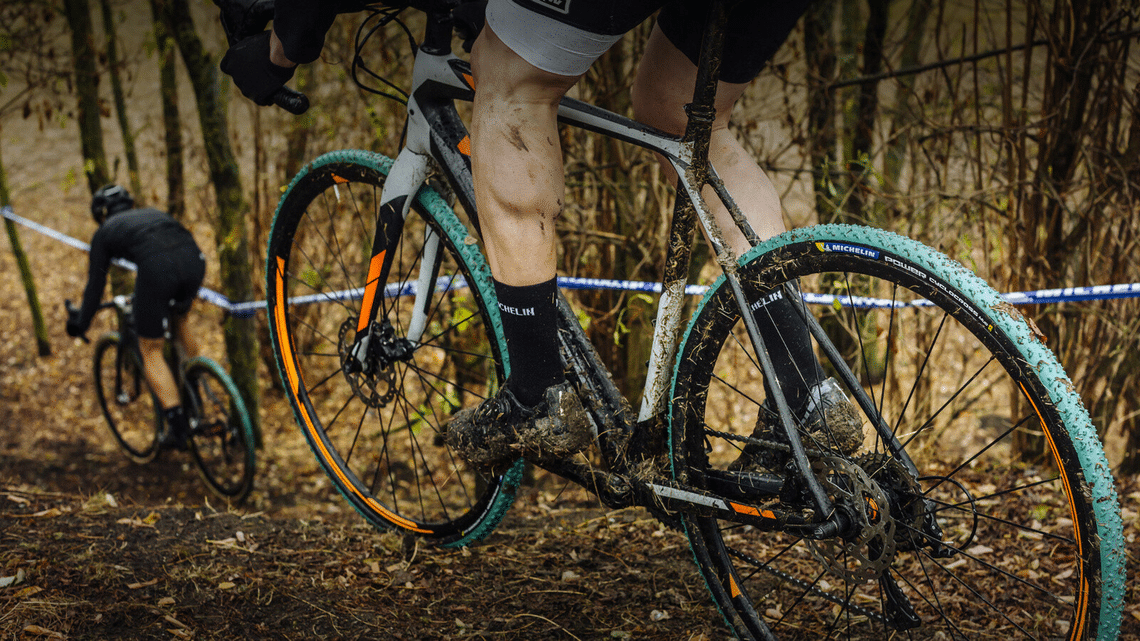
How to choose your cyclocross tires?
Competitive cyclocross riders typically run two sets: a dry-conditions tire with a faster-rolling center and moderate knobs, and a mud tire with an open, aggressive tread that clears saturated ground. The UCI maximum tire width for competition is 33mm. For occasional cyclocross riding without dedicated wheels, a versatile 33mm gravel tire covers mixed conditions well without the cost of a second wheel set. For muddy competition conditions, a dedicated mud-specific tubeless ready or tubular option delivers the best results.Learn more -
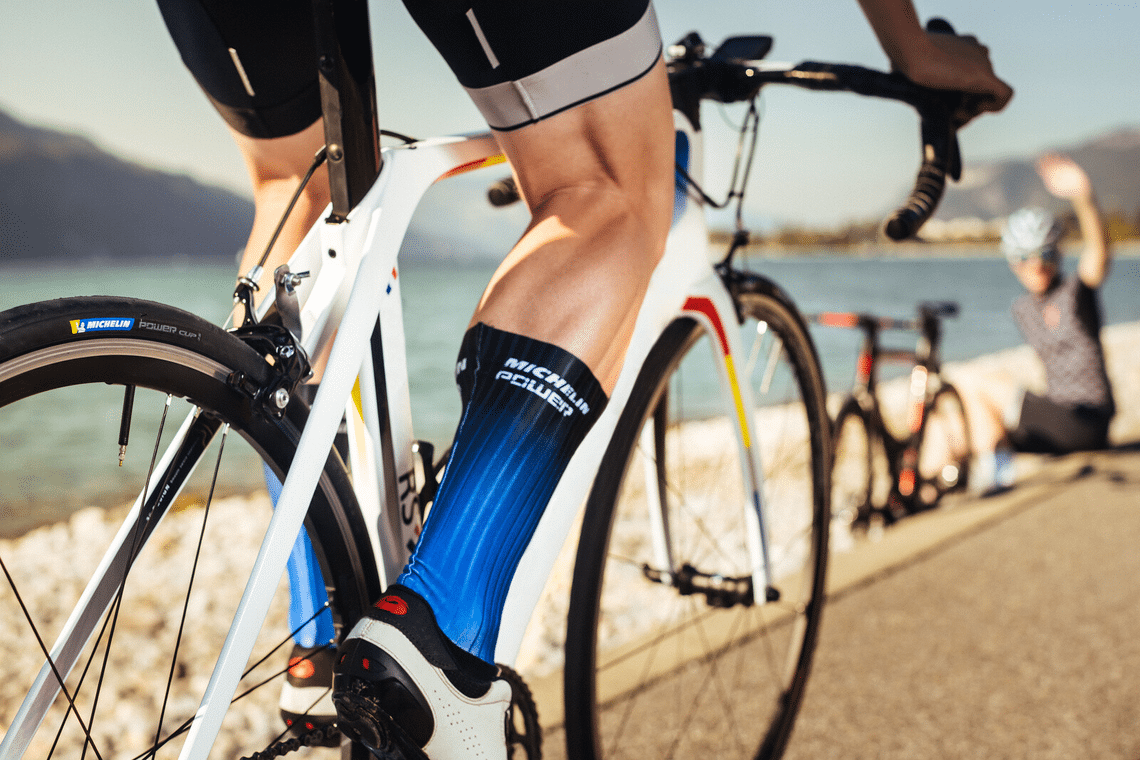
Which inner tube for your bike and how to fit it?
Your inner tube must match three things: the wheel diameter, the tire width range, and the valve type. Find your tire size on the sidewall in ETRTO format (e.g. 25-622), metric (e.g. 700x25C), or imperial (e.g. 29x2.0). Choose Presta for road and most performance bikes; Schrader for mountain bikes and commuters. For deep-section rims, confirm the valve stem length is long enough to clear the rim height. Replace the rim tape every time you replace the tire.Learn more