What are gravel tires?
Gravel riding has taken off in North America, particularly in rural areas where many unpaved roads are covered with gravel, hence the name of the sport. Gravel tires have been developed to provide increased grip and resistance on these surfaces, while maintaining high rolling efficiency to keep speed on asphalt surfaces. They represent a major innovation in the cycling industry as they allow riders to venture off the beaten track with greater confidence, comfort and speed.
What kind of gravel cyclist are you?
When selecting the best gravel tires for your needs, the most important question is: What type of terrain do you ride on the most? Identifying the surfaces you'll encounter will help determine the best Michelin tires for your needs.
You mainly ride off-road
If you come from a mountain bike background and don't do a lot of road riding, it's likely that you'll choose a gravel bike to experience more fun and speed on light gravel paths than with a mountain bike. In this case, your DNA is clearly off-road. You enjoy the feel of the terrain under your wheels and aren't afraid of the challenges nature can throw at you. The best gravel tire for you would be the Michelin Power Gravel tire. It is designed to offer excellent grip and optimum resistance on unpaved surfaces, allowing you to enjoy your off-road rides to the full.
You mainly ride on the road
On the other hand, if you are more of a road cyclist who has done little or no off-roading, but occasionally wants to get off the main roads to explore paths and trails, then your DNA is more road oriented. In this case, the Michelin Power Adventure tire would be more suited to your needs. It allows for short escapades off well-maintained roads and it is perfect for those who want a bit of adventure without sacrificing comfort and speed on the road.
You are a "bike-packing" enthusiast
If you plan to go on multi-day trips with your gravel bike and need to carry gear without sacrificing comfort and durability, we recommend:
The Michelin Power Adventure tire or The Michelin Power Gravel tire (for more rugged terrain)
For bikepacking, we recommend wider tires (40mm+), as they handle heavier loads better and reduce the need for high tire pressures, improving comfort and stability.
You are an "all-road" rider
Finally, if your riding profile is more of an "all-road" rider, i.e. somewhere between pure road and pure gravel, and you plan to fit large tires, ranging from 30-40mm, then the Michelin Power Adventure tire would also be the best choice. The DNA of these bikes is to be ridden fast all year long, whatever the conditions, with the assumption that you will encounter bad roads. The Michelin Power Adventure tire, although less specifically designed for gravel, is perfect for this purpose. It offers a good compromise between grip and rolling efficiency, allowing you to ride comfortably and fast on a variety of surfaces.
What type of bike do you ride?
Understanding tire compatibility is crucial when selecting gravel tires. While you can often switch from 50mm to 30mm tires (if your rims allow), the reverse isn't always possible due to clearance limitations.
Check your bike’s maximum tire width by referring to:
-Your bike’s manual
-Your frame specifications
-Your wheel and rim compatibility
When in doubt, visit a local bike shop for expert advice.
Once you are aware of this constraint, you can choose according to your use. If you mainly plan to ride on sporty roads, for instance during training sessions, it is better to choose a Michelin Power Adventure tire with a smaller section (30mm), similar to road tires and suitable for this use.
If you are looking for more versatility for your gravel bike, with 80% road use and 20% off-road use to have fun without too much risk of punctures, it is advisable to opt for tires with larger sections, around 40mm, which will allow you to ride with lower pressures.
The advantage of having tubeless ready tires is that you can ride more safely with lower pressures without the risk of puncturing.
The closer you get to mountain biking, the more you should opt for wider sections. For example, Michelin Power Gravel tires can be up to 47mm wide, while Michelin Power Adventure tires can be up to 48mm wide.
By lowering your pressures, you will be able to regain good grip and better adaptability of the tire to the off-road terrain you are going to cover. This combination of wider sections and lower pressures is ideal for off-roading.
How can I find out about the compatibility of the gravel tires section?
To find out the cross-sectional dimension of the tires for your bike, you can refer to the ETRTO standard which indicates the appropriate dimensions. This information is usually printed on the sidewall of the tire.
For example, the notation "40-622" indicates a 40mm section (width of the tire) and a 622mm diameter wheel.
For maximum cross-sections and wheel spacings, it is recommended that you consult your bike's manual, especially for original wheels. However, if you plan to change your wheel in order to benefit from larger cross-sections, it is essential to stay within the specified tolerance limits for your bike.
If you have any doubts or questions, it is best to visit a specialized dealer with your bike and ask for advice. An expert will be able to help you choose the right gravel tires and inform you about the specific compatibilities of your bike, so that you can enjoy a safe and pleasant riding experience.
FAQ
Read our Frequently Asked Questions.
Gravel tires bridge the gap between road and trail. They're wider than road tires — typically 35mm to 48mm — to handle loose, rough, and mixed surfaces at lower pressures. Their tread patterns provide grip on gravel and dirt while rolling efficiently on tarmac. Gravel tires are almost always tubeless ready, which is particularly valuable because the lower pressures used on loose terrain would risk pinch flats in a tubed setup. Their sidewalls are also more robust than road tires to resist cuts on rocky terrain.
It comes down to the terrain split in your riding. For routes that are predominantly paved with occasional gravel sections, a narrower gravel tire in the 35–40mm range keeps rolling resistance low. For routes that are predominantly gravel, dirt, or trail with occasional tarmac, go wider — 40–48mm — to run lower pressures and get more grip and comfort off-road. If you're bikepacking with a loaded bike, wider tires also handle the extra weight better and reduce the need for high pressures.
The tread pattern determines how the tire performs on each surface type. A smooth or lightly textured center tread rolls efficiently on pavement; pronounced side knobs bite into loose surfaces when the tire leans in a corner. For mixed road and gravel use, a tire with a semi-slick center and transitional side knobs covers both well. For more dedicated off-road gravel riding, a more aggressive tread with more pronounced knobs throughout provides grip but increases rolling resistance on tarmac.
Not strictly necessary, but highly recommended for regular gravel riding. Gravel terrain involves sharp rocks and debris that puncture more often than smooth road surfaces. In a tubeless setup with sealant, most small punctures seal automatically and you continue riding. At the lower pressures used on gravel, a tubed setup would also risk pinch flats on obstacles. Tubeless also allows running at the lower pressures that deliver better grip and comfort on loose surfaces without that pinch flat risk. For serious gravel riding, the benefits are consistent enough that most experienced gravel cyclists use tubeless.
For bikepacking with a loaded bike, wider tires (40mm and above) handle the extra weight better, distributing load over a larger contact patch and allowing lower pressures without bottoming out. They're also more resilient against damage in remote areas where a serious flat can be genuinely difficult to deal with. For lighter day rides, a narrower tire with a faster-rolling tread may be more satisfying. The loaded condition also affects pressure — a heavier bike and rider needs more pressure than the same setup with less weight.
Only if your road bike has sufficient clearance for a gravel tire width. Many modern road bikes accept tires up to 32–35mm, which would accommodate a narrower gravel tire. Wider gravel tires (40mm+) typically require a frame specifically designed for them. Fitting a tire wider than the frame's clearance risks it rubbing on the frame, particularly under load. Check the bike manufacturer's maximum tire width specification before choosing a tire. If clearance allows, a wider gravel tire on a road bike can provide more comfort and versatility.
Related articles
-
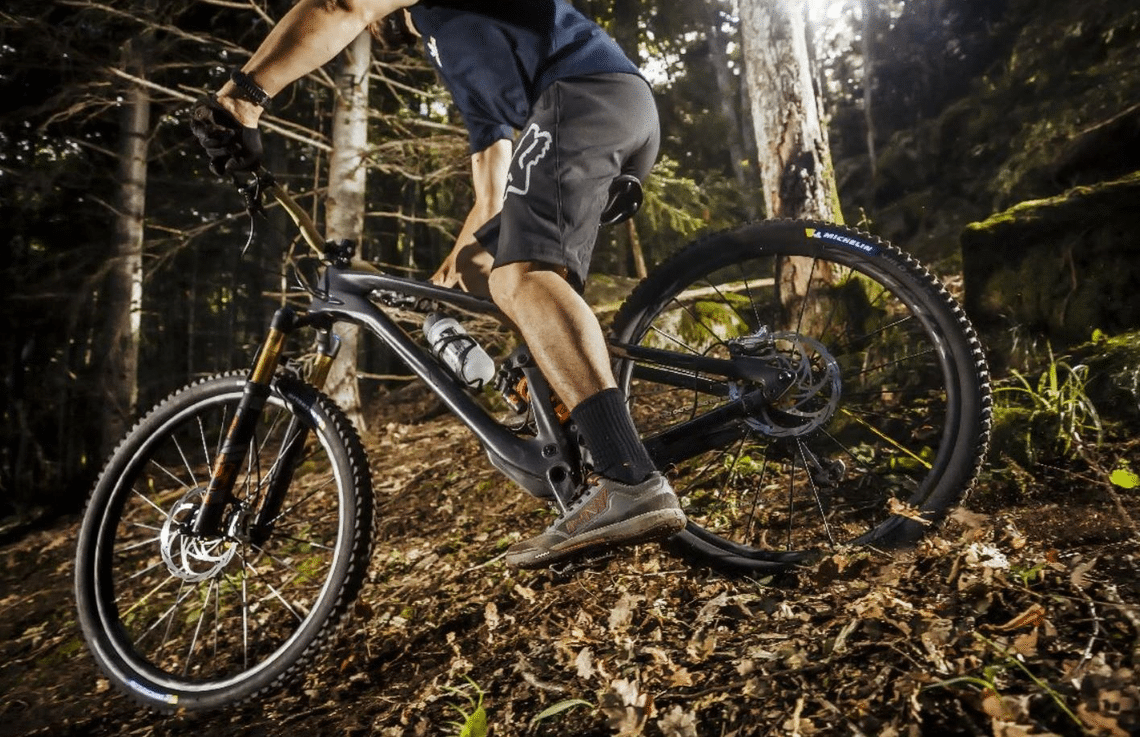
How to choose your bike tire?
Start by identifying your riding category: road and performance, city and commuting, or mountain biking. Each has different requirements for tread, casing, width, and construction. Within your category, identify the surfaces you ride most and whether your primary priority is speed, durability, or puncture protection. Confirm what your bike can fit in terms of tire width, and decide between tube-type, tubeless ready, and tubular setups based on how much flat protection you want versus installation simplicity.Learn more -
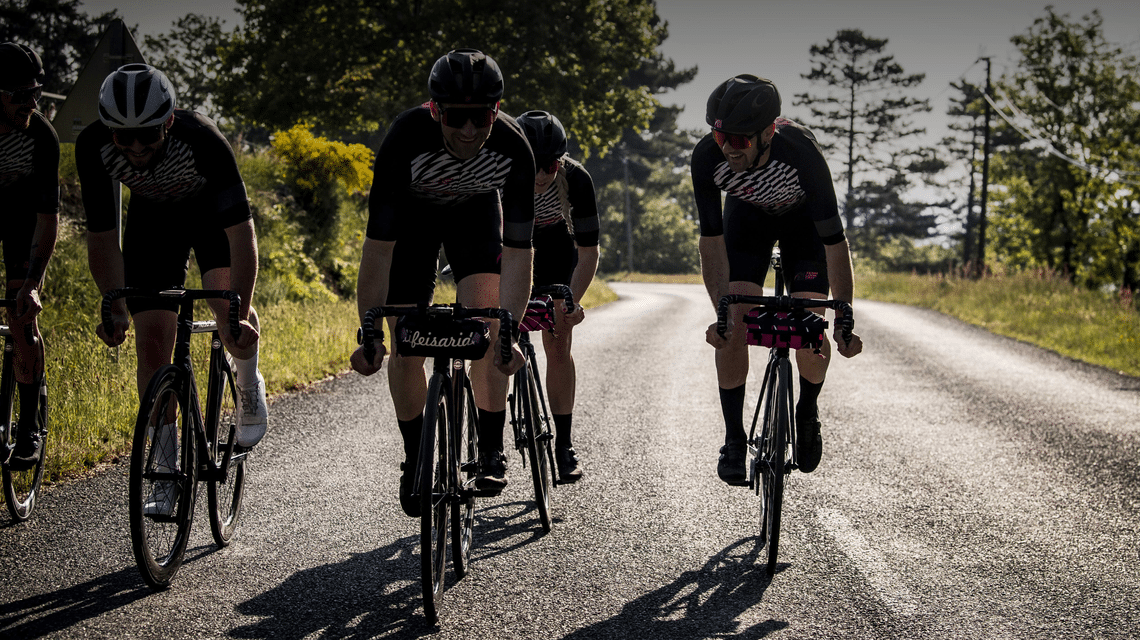
How to choose the best road bike tires for your use
For competitive road racing, the priority is low rolling resistance and wet-weather grip. For regular training, durability and puncture resistance matter more than outright speed. For year-round riding in all weather, an all-season road tire with a reinforced tread and cold-weather compound is worth the modest rolling resistance penalty. Wider tires (28mm or 30mm) at the right pressure now roll as efficiently as narrower tires did previously, while providing more comfort and better grip on real road surfaces.Learn more -
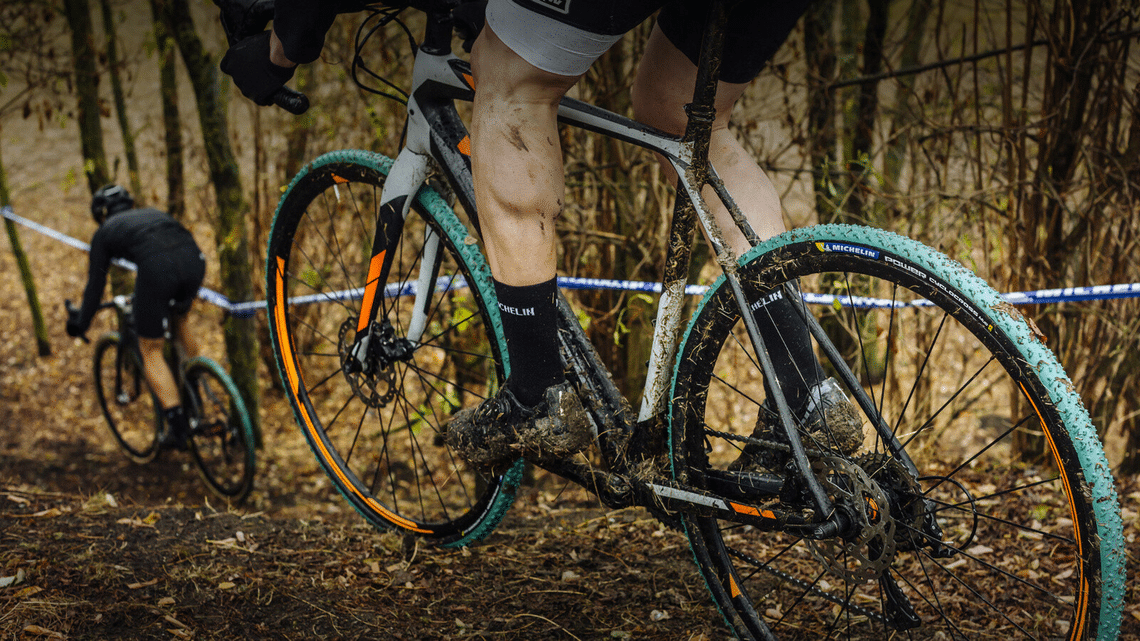
How to choose your cyclocross tires?
Competitive cyclocross riders typically run two sets: a dry-conditions tire with a faster-rolling center and moderate knobs, and a mud tire with an open, aggressive tread that clears saturated ground. The UCI maximum tire width for competition is 33mm. For occasional cyclocross riding without dedicated wheels, a versatile 33mm gravel tire covers mixed conditions well without the cost of a second wheel set. For muddy competition conditions, a dedicated mud-specific tubeless ready or tubular option delivers the best results.Learn more -
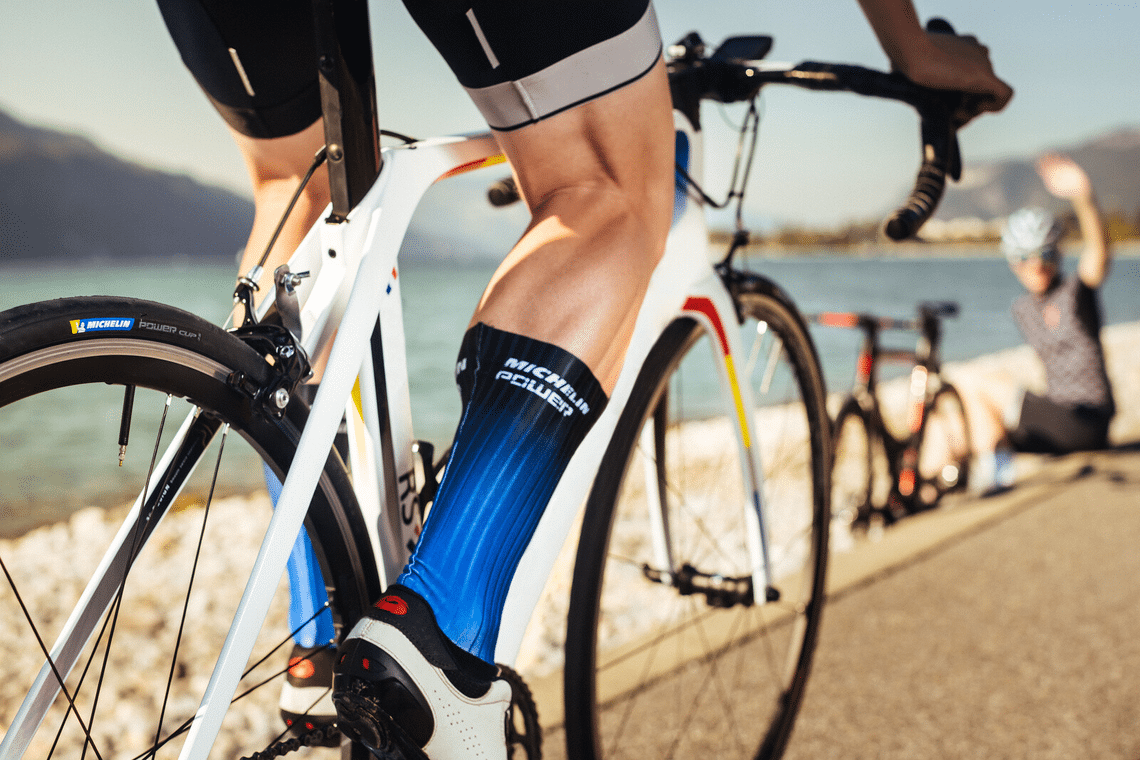
Which inner tube for your bike and how to fit it?
Your inner tube must match three things: the wheel diameter, the tire width range, and the valve type. Find your tire size on the sidewall in ETRTO format (e.g. 25-622), metric (e.g. 700x25C), or imperial (e.g. 29x2.0). Choose Presta for road and most performance bikes; Schrader for mountain bikes and commuters. For deep-section rims, confirm the valve stem length is long enough to clear the rim height. Replace the rim tape every time you replace the tire.Learn more