The tire is the only part of the car that touches the road. Tires must strike a balance between traction, comfort, durability, energy efficiency and overall cost. As a result of these competing needs, tires are more complex to design and build than you might think.
Take, for instance, a smart phone. It seems far more complex than a tire. But actually, a similar amount of research and technology goes into every tire Michelin makes.
The steps of the tire making process
1- Understanding through research
We study peoples' tire usage and driving habits to make sure our tires meet everyone's needs.
2- Developing and mixing materials
Over 200 ingredients go into a tire. They play vital roles in safety, fuel efficiency, performance and eco-friendliness.
These components fall into five groups:
Natural rubber: the main component of the tread layers
Synthetic rubber: part of the treads of car, van and 4x4 tires
Carbon black and silica: used as a reinforcing agent to improve durability
Metallic and textile reinforcement cables: the "skeleton" of the tire, forming the geometric shape and providing rigidity.
Numerous chemical agents: for unique properties like low rolling resistance or ultra-high grip
3- Designing
We create many different designs and use simulations to test and select the best tire concepts to be developed.
4- Manufacturing
We expertly build each tire through both hand-made and automated processes. When necessary, we invent our own machines to reach our goals.
5- Quality control
Quality control is not only an end step. We measure quality throughout the process.
We do over 1 billion miles worth of tire testing per year - the equivalent of driving around the planet 40,000 times.
How does the design of a tire impact its performance?
A tire’s tread design - the grooves and patterns in the rubber on the top surface of the tire - is crucial to its performance. The tread design plays an essential role in your tire’s grip in different types of driving conditions and can impact both your safety and your driving pleasure.
Safety – wet road grip example
To understand the role of the tire tread on wet roads, it's useful to think of a water pump. The more channels in your tire's tread, the better it pumps water away from the tire and the road. Remarkably, it can displace water in just a few milliseconds. A 195/65R15 tire, for instance, can displace almost 3.96 gallons of water per second.
Design elements that impact wet grip:
Groove ratio: The more/larger grooves a tire has, the better the tire pumps out water.
Shape and layout: The shape of the tread patterns (symmetrical, directional, asymmetrical) contributes to how quickly water is drained.
Sipes: These are thin slits in the rubber surface of the tread. They improve traction in wet or icy conditions. Acting like windshield wipers, sipes help the edges and grooves of a tire to drain away water.
Design elements that impact dry grip:
The tire's profile (shape): A flat profile with square shoulders provides good support in turns.
The amount of grooves: The smaller the percentage of grooves in the tread pattern, the more rubber there is in direct contact with the ground and the better the level of grip.
Tread blocks: The larger the individual blocks of tread rubber in the design, the better the traction. But this can also generate more road noise.
Self locking sipes: Tread blocks with many sipes will reduce the rigidity of the tread pattern. To counter this effect, we have introduced complex 3-dimensional sipes, which lock together under load.
What is the structure of a tire?
The typical radial tire consists of nine main parts.
1- Inner liner:
An airtight layer of synthetic rubber (the modern equivalent of an inner tube)
2- Carcass Ply:
The layer above the inner liner, consisting of thin textile fiber cords (or cables) bonded into the rubber. These cables largely determine the strength of the tire and help it resist pressure. Standard tires contain about 1,400 cords, each one of which can resist a force of 33lb.
3- Lower bead area:
This is where the rubber tire grips the metal rim. The power from the engine and braking effort is transmitted from the rim of the tire to the contact area with the road's surface.
4. Beads:
They clamp firmly against the tire’s rim to ensure an airtight fit and keep the tire properly seated on the rim. Each wire can take a load of up to 3, 968 lbs without risk of breaking. There are eight of them on your car - two per tire. That’s a massive 31,746 lbs of resistance strength. An average car weighs about 3,307 lbs.
5- Sidewall:
It protects the side of the tire from impact with curbs and the road. Important details about the tire are written on the sidewall, such as tire size and speed rating.
6- Casing ply:
It largely determines the strength of the tire. It's made up of very fine, resistant steel cords bonded into the rubber. This means the tire can resist the strains of turning, and doesn't expand due to the rotation of the tire. It's also flexible enough to absorb deformations caused by bumps, potholes and other obstacles in the road.
7- Cap ply (or "zero degree" belt):
This important safety layer reduces friction heating and helps maintain the shape of the tire when driving fast. To prevent centrifugal stretching of the tire, reinforced nylon based cords are embedded in a layer of rubber and placed around the circumference of the tire.
8- Crown Plies (or belts):
They provide the rigid base for the tread.
9- Tread:
It provides traction and turning grip for the tire and is designed to resist wear, abrasion and heat.


Find tire dealers near you in seconds
Search among our dealers to find where your tire is available
FAQ
Read our Frequently Asked Questions.
Modern tires are built from more than 200 individual materials. The main components are:
Natural and synthetic rubber — the primary material for the tread and sidewall
Steel belts — reinforcing layers beneath the tread that provide rigidity and puncture resistance
Fabric cords (polyester, rayon, or nylon) — form the tire's internal structure, called the carcass
Bead wire — steel cables that lock the tire firmly onto the wheel rim
Chemical compounds — silica, sulfur, carbon black, and various polymers blended to achieve specific performance properties
Radial tires have internal cord layers running perpendicular to the direction of travel, with steel belts added beneath the tread. Michelin pioneered radial construction, and it is now the global standard for passenger vehicles. The design separates the job of the sidewall (flexibility and comfort) from the tread (rigidity and grip), which produces better fuel efficiency, longer tread life, improved handling, and a more comfortable ride than older bias-ply designs.
Yes. Michelin operates multiple US manufacturing plants, including facilities in South Carolina, and is one of the largest employers in the US tire manufacturing sector. A significant share of Michelin tires sold in North America are domestically produced, though the specific models made at each plant vary.
The rubber compound shapes nearly every aspect of how a tire performs. A softer, silica-rich compound grips wet roads better and stays flexible in cold temperatures, but tends to wear faster. A harder compound lasts longer but gives up wet grip and cold-weather pliability. High-performance tires often use different blends across the tread center and shoulder to optimize for both grip and longevity. Michelin's investment in compound chemistry is a core reason its tires perform consistently across varied conditions.
Manufacturing timelines vary by model and facility, but every modern passenger tire goes through dozens of stages: raw material preparation, component cutting, carcass assembly, layering of belts and tread, and vulcanization — a high-pressure, high-heat curing process that bonds all the components and gives the rubber its final performance characteristics. Quality inspection follows every production run.
Related articles
-

How to Drive Safely
How to practice safe driving: Michelin tires are built with your safety in mind, but emergencies can happen. Learn how to drive safely and handle situations that arise.View more -

Tire Safety: How to Maintain, Inspect, and Care for Your Tires
Your car's safety depends on your tires, which must be properly maintained in order for them to perform as intended. Treadwear, load limitations, inflation pressure, and installation are some of the variables that might affect the longevity and reliability of tires. By following specified safety rules and doing routine maintenance, drivers can reduce their risk of tire issues and be prepared for the road ahead.View more -

What are Performance Tire Characteristics?
View more -

Run-Flat Tires: How They Work, Benefits, and Proper Care
After a tire loses air pressure, run-flat tires are designed to help drivers keep control and continue driving for a limited distance. By reducing the need for quick roadside tire changes, this added mobility enhances convenience and safety.
Like all tires, run-flat tires require proper maintenance, inspection, and servicing to perform as intended. Understanding how run-flat tires work and how they should be cared for helps drivers make informed decisions and protect long-term tire performance.View more -
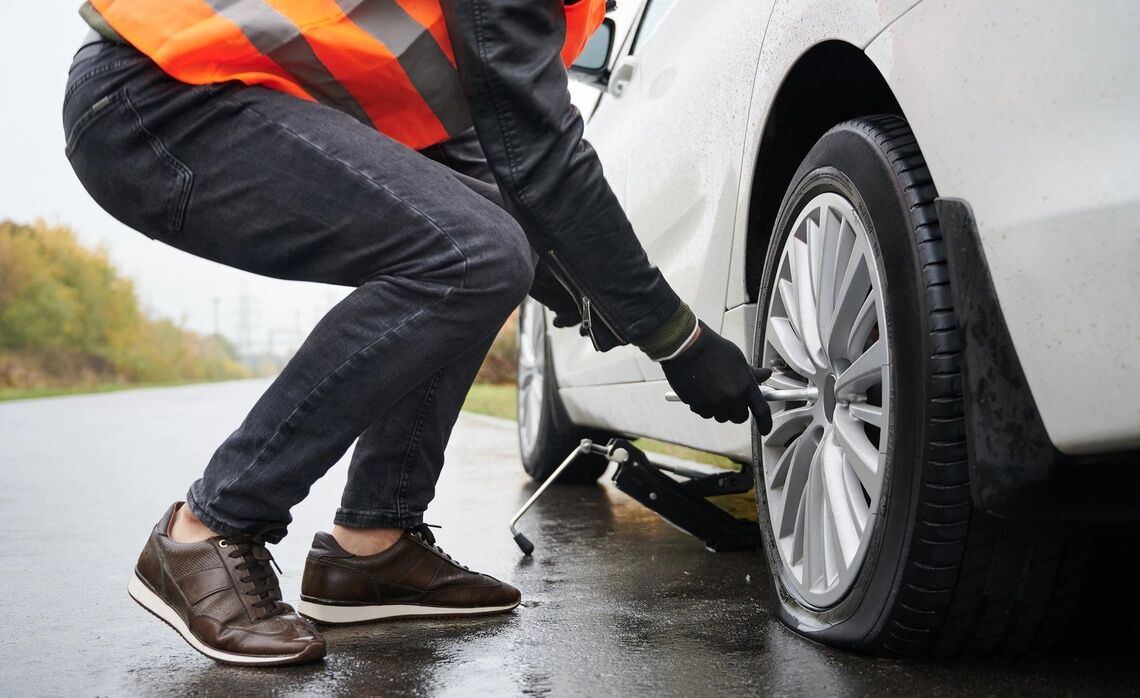
Driving on a Spare Tire
What are the basics ?View more -
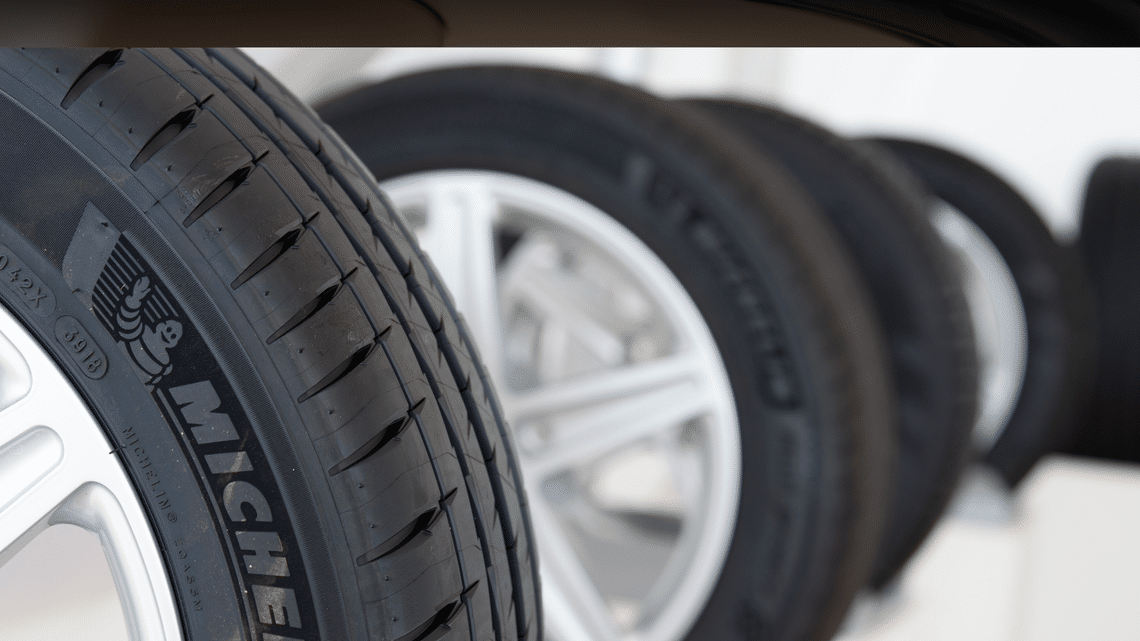
Understanding Tire Load Rating and Speed Rating
Standardized tire markings define a tire’s load rating and speed rating, two critical indicators of safe tire performance. When properly inflated and loaded, these ratings identify the maximum weight a tire can carry and the maximum speed it can safely sustain. Understanding and respecting these ratings when replacing tires helps ensure your vehicle continues to operate as intended.View more -
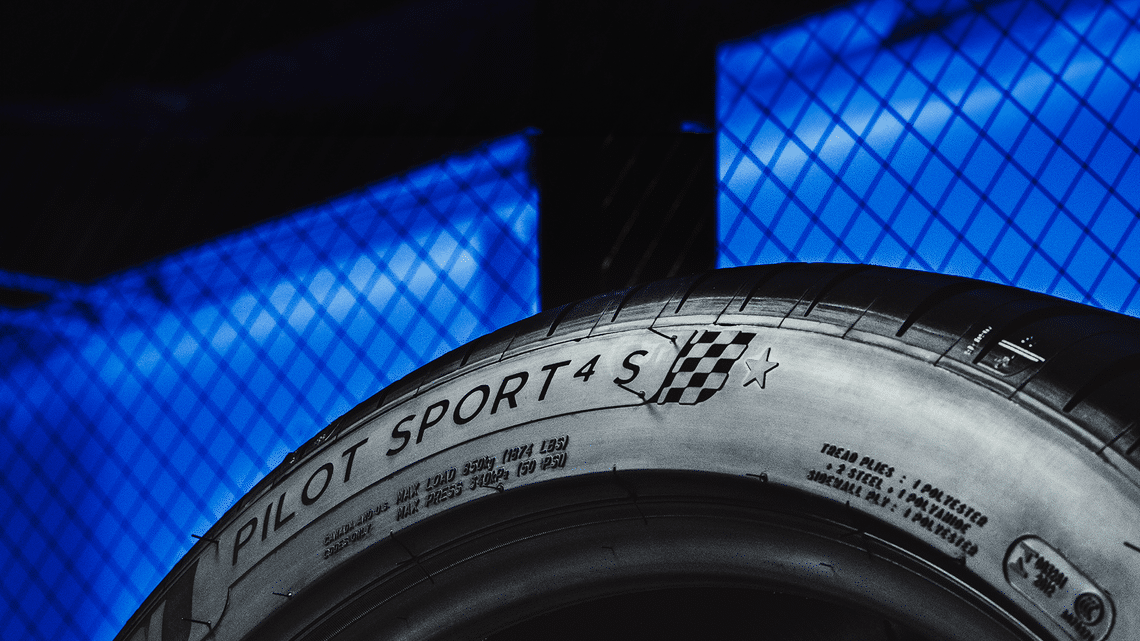
Tire Markings Explained: How to Read a Tire
A tire size is represented by a sequence of numbers and letters that describe the tire’s dimensions and construction. Additional letters may also appear to indicate the intended application or load capacity.View more -
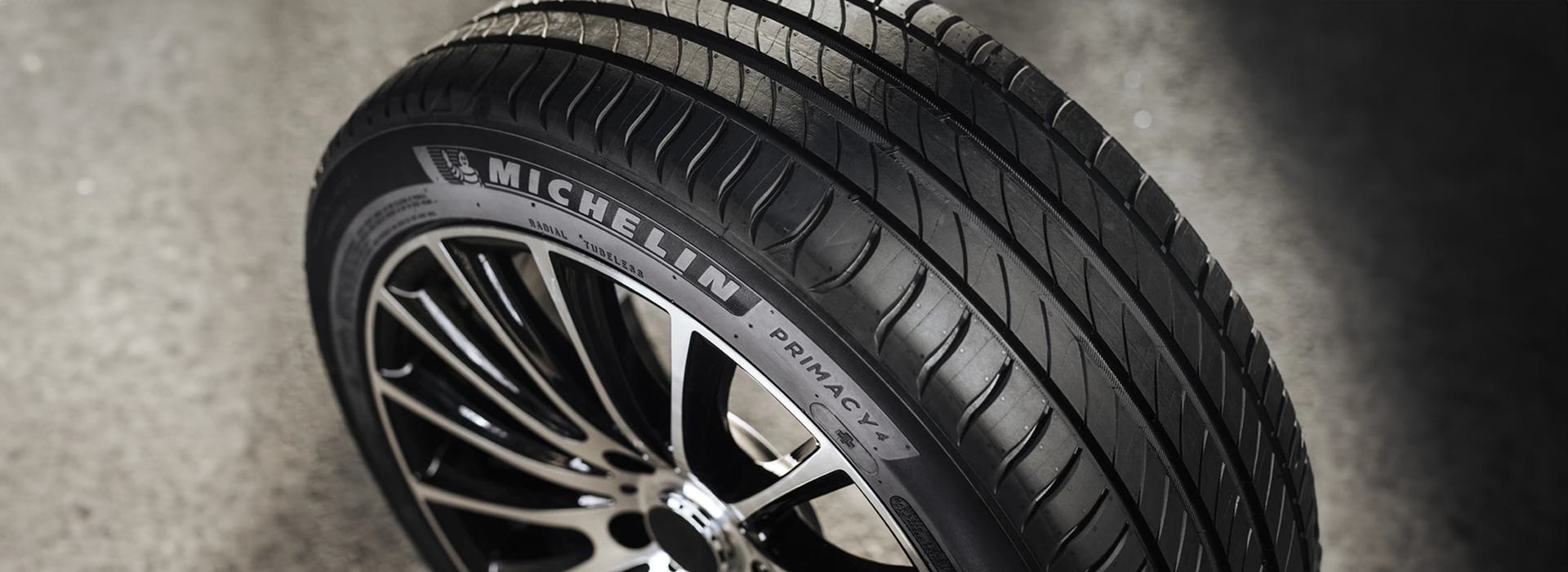
Tire tread depth and legal limit
A tire is designed to meet performance requirements. But beyond a certain level of wear, it needs to be changed. What is the role of the tread? Up to what level of wear does the tire remain effective? And what is the legal minimum tread depth for changing your tires? Find out the answers to all your questions.View more