Find Dealers

Related topics

Frequently Asked Questions

Here you will find answers to the most common questions about tires.

Start with compatibility: the tire must match the size and construction type (radial or bias) specified by the motorcycle manufacturer. Within compatible options, the primary factors are: how you use the motorcycle (commuting, touring, sport riding, off-road), the surfaces you ride on most, and what you prioritize — tread life, wet-weather grip, cornering feel, or comfort. No tire does everything equally well, so knowing your priorities narrows the field before comparing specific models.

Yes, wherever possible. Michelin and most tire manufacturers design front and rear motorcycle tires as matched systems. The profiles, compounds, and handling characteristics are developed to work together. Mixing brands or models between front and rear can produce mismatched handling characteristics that affect stability in cornering. Check that the front and rear tires you're choosing are designed to be used together.

The tire must match the size specified by the motorcycle manufacturer in the owner's manual. Beyond size, the construction type matters: radial and bias (diagonal) tires have different structural characteristics that affect handling. Using the wrong type for your motorcycle can affect safety and handling. For speed and load, the tire must meet or exceed the ratings in the owner's manual. Fitting a tire with a lower speed or load rating than specified reduces the motorcycle's safe operating parameters.

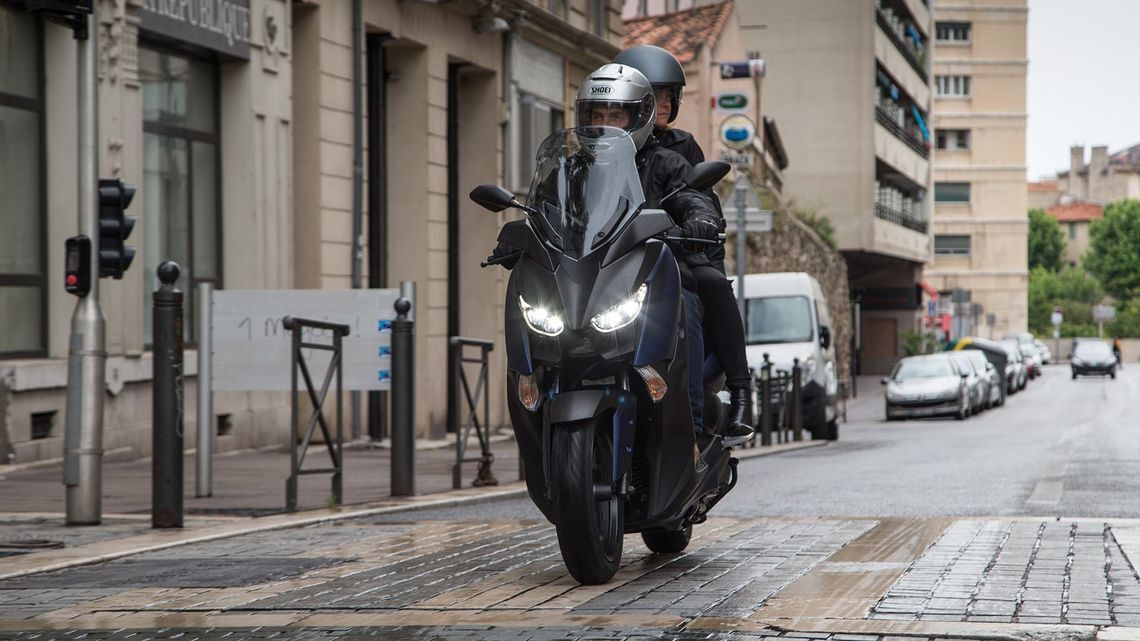
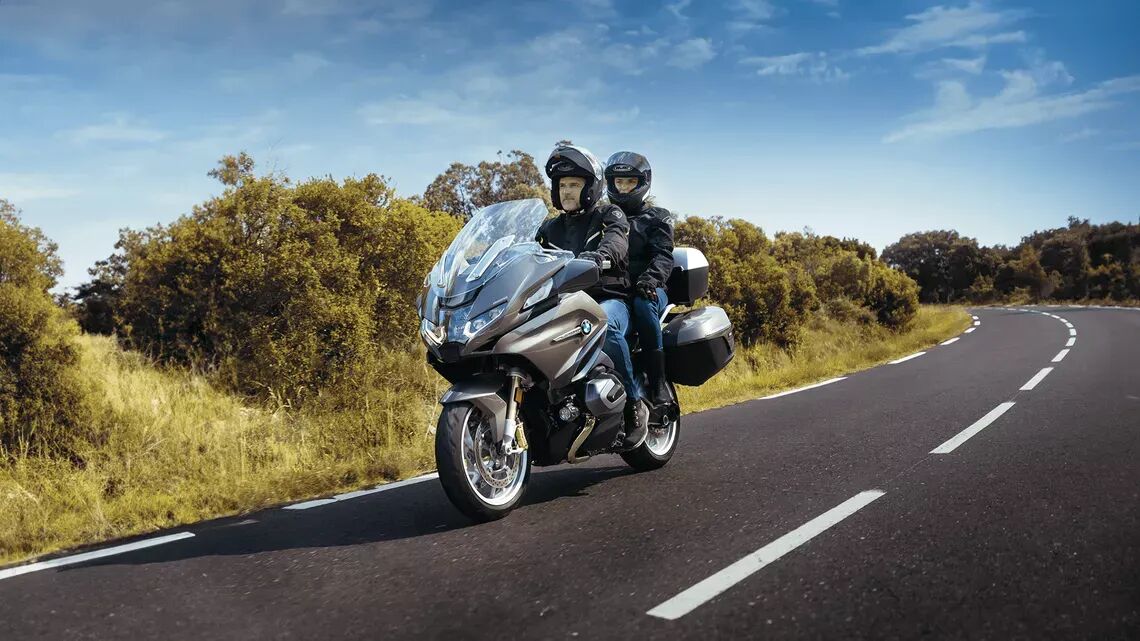
Significantly. A commuter in an urban environment needs a tire optimized for wet weather, longevity, and frequent stop-start riding. A sport rider on winding roads prioritizes cornering grip and feedback. A touring rider covering long distances on motorways needs tread life and comfort. An adventure rider mixing tarmac and unpaved tracks needs a dual-sport tire that balances road and off-road capability. Matching the tire to the predominant use case gives better performance across that use than a general-purpose tire that compromises everywhere.

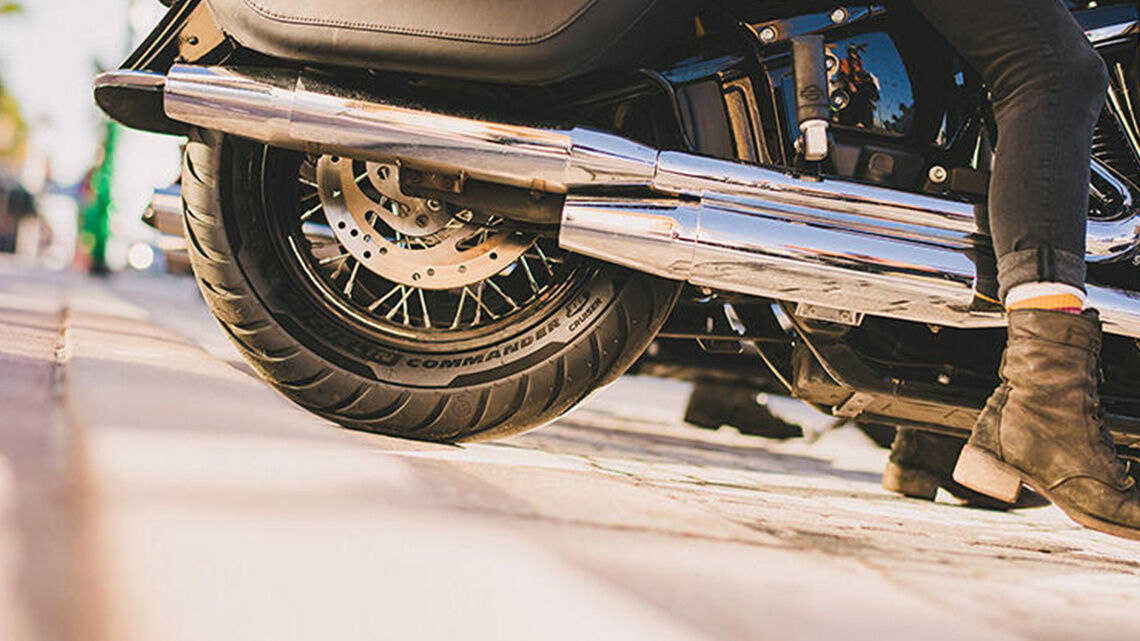
Radial tires have ply cords running at 90° to the direction of travel, with a separate belt under the tread. This gives the crown and sidewall distinct, separate characteristics — the crown stays rigid for grip and stability; the sidewall stays flexible for comfort. Bias tires have ply cords running diagonally, with the same structure throughout. Radial tires are generally better at high speeds and in demanding performance riding; bias tires are well-suited to many classic, cruiser, and some touring applications. The motorcycle manufacturer specifies which construction type is appropriate.

Yes, in ways that matter more on a motorcycle than a car. Premium tires invest more in compound development, profile design, and construction techniques that translate to wet-weather grip, cornering stability, and predictable behavior at the limits of traction. On two wheels, where consequences of losing grip are more severe, the gap between tire quality levels is more consequential. Choosing a tire based primarily on price at the expense of compound quality and handling characteristics is a different kind of risk than it would be on a car.