Why it is important?
It ensures your safety
Your tires are the only point of contact that your vehicle has with the road – they need to be in good working condition at all times to ensure your safety.
To avoid any problems, follow these important care tips:
Inspect your tire:
You may not always notice if one of your tires has been damaged. Inspect your tires regularly for wear and any damage to avoid any sudden problems. Also, have a professional inspect your tires every year.
Check the air pressure:
Driving with incorrect tire pressures can affect a vehicle’s handling and braking, particularly in wet conditions, and can seriously compromise your safety. Driving on severely under-inflated tires can cause heat build-up and eventually a premature failure. Check your tire pressure monthly and before every long trip.
Respect the load capacity:
Do not exceed the load capacity relative to the tire’s load index. Tires loaded beyond their maximum loads can build up excessive heat that may result in sudden tire destruction.
Driving at high speed* can damage your tire:
At greater speeds, tires have greater a chance of being damaged by road hazards or heat build-up. High speeds can also contribute to a rapid air loss or even a sudden tire explosion, which can cause the loss of control of the vehicle.
Use your spare tire!
If you see any damage to a tire or wheel, replace it with your spare tire and have your tire checked by a professional.
*Exceeding the safe, legal speed limit is neither recommended nor endorsed.
It will help me save
Checking tire air pressure, and regular tire maintenance such as rotation, alignment and inspections can help you save money
It can extend the life of your tires so you don’t have to buy as often
Simple things like checking your tires’ pressure to make sure that they are properly inflated can make a real difference in how long your tires last. Under or over-inflated tires don’t wear evenly and won’t last as long. For example, a tire that is consistently 20% under- inflated can last 20% less. That means a tire that should normally last 60,000 miles would be worn out by 48,000 miles. Also, since the front and rear axles and right and left sides of your car wear down your tires differently, rotating your tires regularly between the different positions will ensure they wear evenly and last longer.
It can save you money on fuel
Under-inflated tires are one of the biggest causes of using excess fuel.
Under-inflated tires have higher rolling resistance, which means it takes more effort from the engine to move your vehicle.
Tire Registration
Make sure your tires are registered to receive direct notification in the event of a safety-related recall.


Find tire dealers near you in seconds
Search among our dealers to find where your tire is available
FAQ
Read our Frequently Asked Questions.
Tires are durable, but they're also the only part of the car actually touching the road. Every braking event, turn, and acceleration load goes through four contact patches roughly the size of a hand. The conditions those patches encounter — pressure changes, temperature swings, load variations, road surface — affect how the tire wears and performs. Maintenance doesn't extend tire life beyond what the tire was designed for; it makes sure the tire reaches that design limit instead of falling short of it.
A tire at the wrong pressure behaves differently than one at spec. Underinflated tires run hotter because the sidewall flexes more with every rotation, which accelerates internal degradation and raises the risk of failure, particularly at highway speeds. Overinflated tires reduce the contact patch, which affects traction and makes the vehicle more sensitive to road irregularities. Both conditions also accelerate wear — underinflation on the outer edges, overinflation in the center.
It does. Tires in good condition stop shorter, handle more predictably, and resist hydroplaning better than worn or under maintained ones. The difference is most pronounced in wet weather, where tread depth and correct inflation pressure determine whether the tire channels water effectively or rides up on a film of it. Proper alignment keeps the tires tracking straight, which matters most in emergency lane changes and sudden braking.
A tire that consistently runs low on pressure wears faster on both outer edges and runs at a higher operating temperature than it was designed for. Over time, that heat accelerates breakdown of the internal structure and increases the risk of sudden failure, especially under load or at speed. The tire may also look normal on the outside while internal damage has already occurred. Beyond the safety concern, an underinflated tire also hurts fuel economy through increased rolling resistance.
Yes. A newer vehicle with low mileage still loses tire pressure naturally over time — tires seep air slowly regardless of age. New tires can also arrive misaligned, suffer impact damage from the first pothole, or wear unevenly if the vehicle is driven primarily on one type of road. Age and mileage are not a substitute for regular checks.
Alignment refers to the angles at which the tires sit relative to each other and the road. When those angles are off, the tires scrub against the pavement at a slight angle with every rotation rather than rolling cleanly. That scrubbing wears the tread unevenly and faster than it should. A vehicle with poor alignment can go through tires well before their expected life, and the driver may not notice until the damage is already significant.
Related articles
-
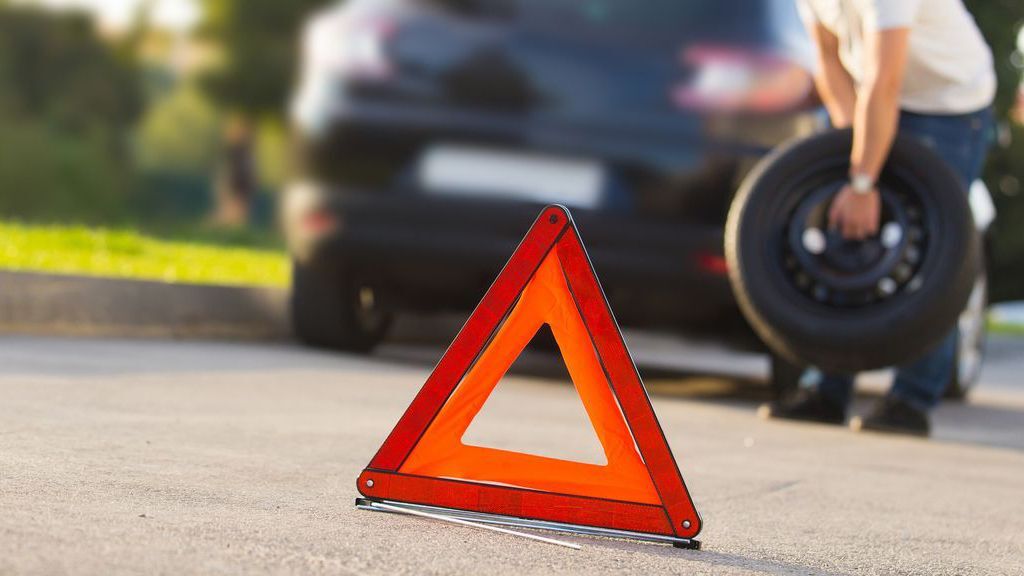
How to Change a Car Tire?
Changing a flat tire on the roadside takes about 20 minutes when you have practiced beforehand. Before you need to do it at night on a busy road, confirm your spare is in the trunk and inflated, find your jack, and know how to use both. This step-by-step guide covers vehicle positioning, safe jacking, lug nut sequence, and what to check before driving away on the spare.View more -

How to Properly Inflate Your Car Tires
Tire inflation is an important factor to ensure your safety and that of your passengers. If your tire pressure is incorrect, it can also impact your vehicle's operating costs through premature tire wear and higher-than-normal fuel consumption.
In this article, you will learn when you should check your tire pressure and how to inflate tires in 3 simple steps. You will see that tire inflation has to be done differently depending on whether your tires are cold or warm and that the spare wheel should also be checked regularly, although not as often as the other tires.
We will also address the question of the portable tire inflation compressor as an alternative to gas stations and help you decide if you should inflate tires with nitrogen.View more -
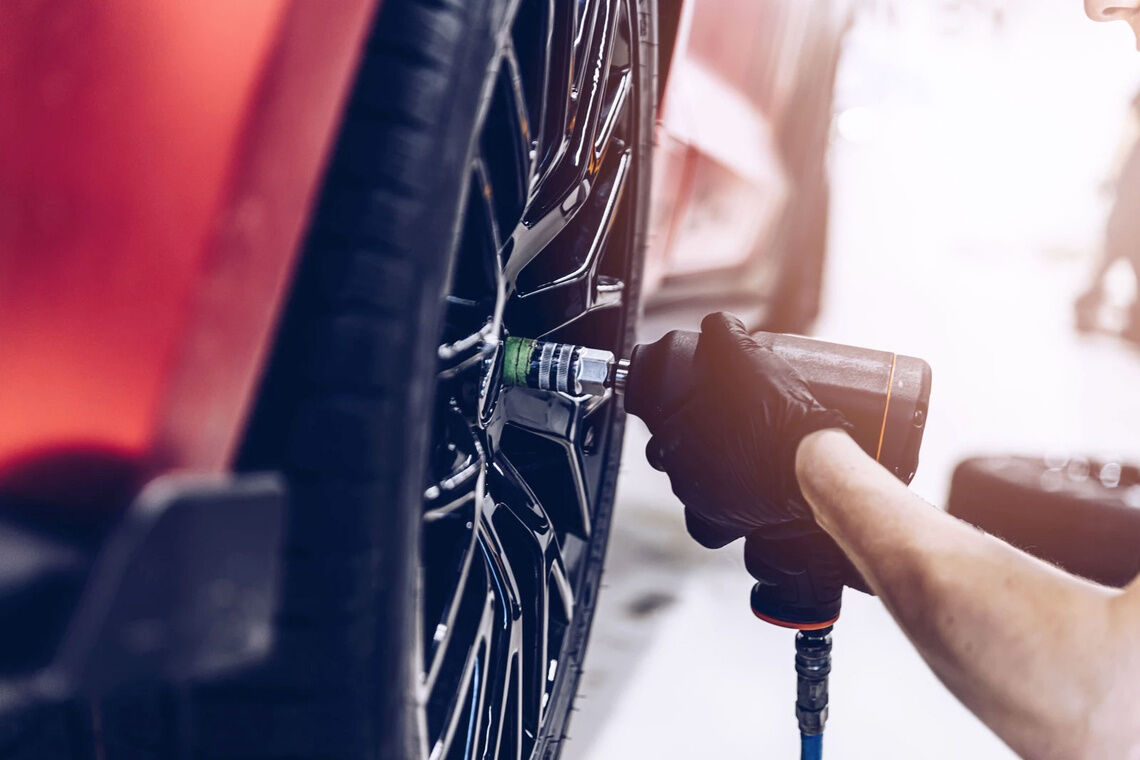
Tire Rotation: Why It Matters and How to Do It
Interchanging tires on a regular basis is an important step in tire maintenance, as it increases tire life, maintains balanced vehicle control, and promotes even tread wear. Tires wear differently depending on where they are mounted on the vehicle; therefore, adhering to specified rotation schedules helps distribute wear more evenly across all four tires over time. Tire rotation, paired with proper tire inflation, wheel alignment, and wheel balancing, helps ensure predictable vehicle performance.View more -
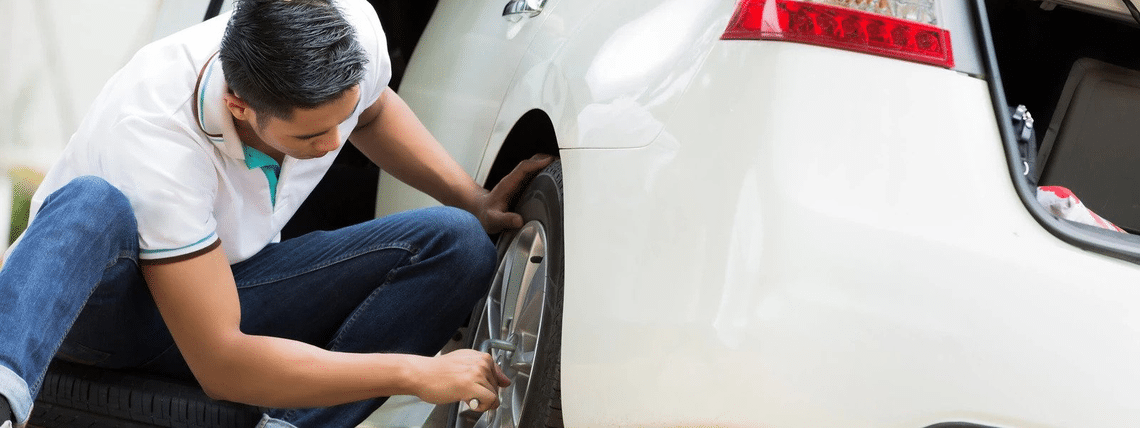
Can My Tire be Repaired?
A nail in the tread that has not gone all the way through may be repairable. A nail in the sidewall never is. The qualifying criteria for a safe repair are specific: the puncture must be confined to the tread area, be no larger than 1/4 inch (6mm), and be assessed by a professional with the tire off the wheel. Sidewall damage, run-flat damage, and any tire that was driven flat require replacement, not repair.View more -
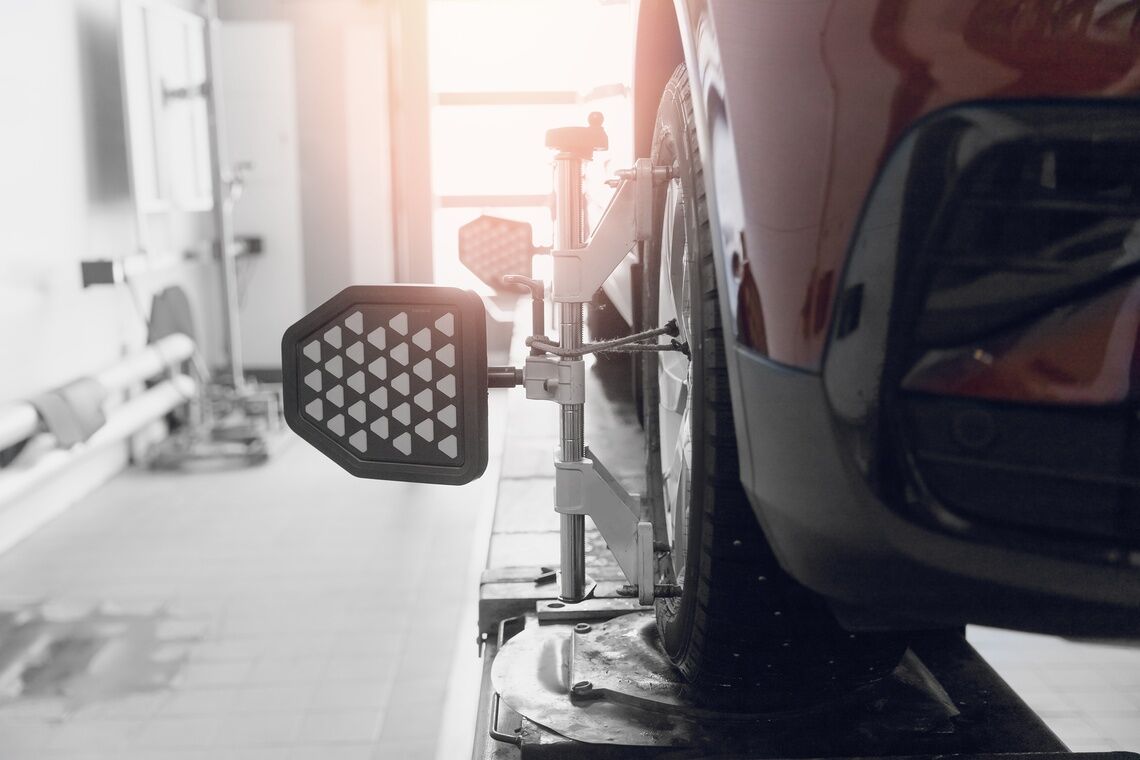
Wheel Alignment and Balancing: Why They Matter
Wheel alignment and wheel balancing are important yet often misinterpreted services that impact tire performance. While these services are frequently recommended together, each addresses distinct issues that significantly influence tire wear, vehicle handling, and operational efficiency.
Understanding how alignment, balancing, mounting, and wheel fitment work together can help you protect your tires, improve driving comfort, and avoid unnecessary wear.View more -
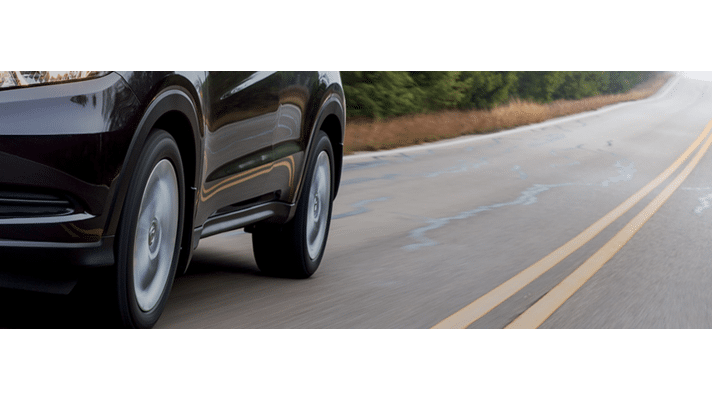
Visual Tire Inspection Before Installation
Before installing new or used tires, perform a thorough visual check. This step ensures proper mounting and supports optimal tire performance. Skipping or hurrying through this phase may result in vibrations, air loss, handling issues, or premature tire wear after installation.View more -
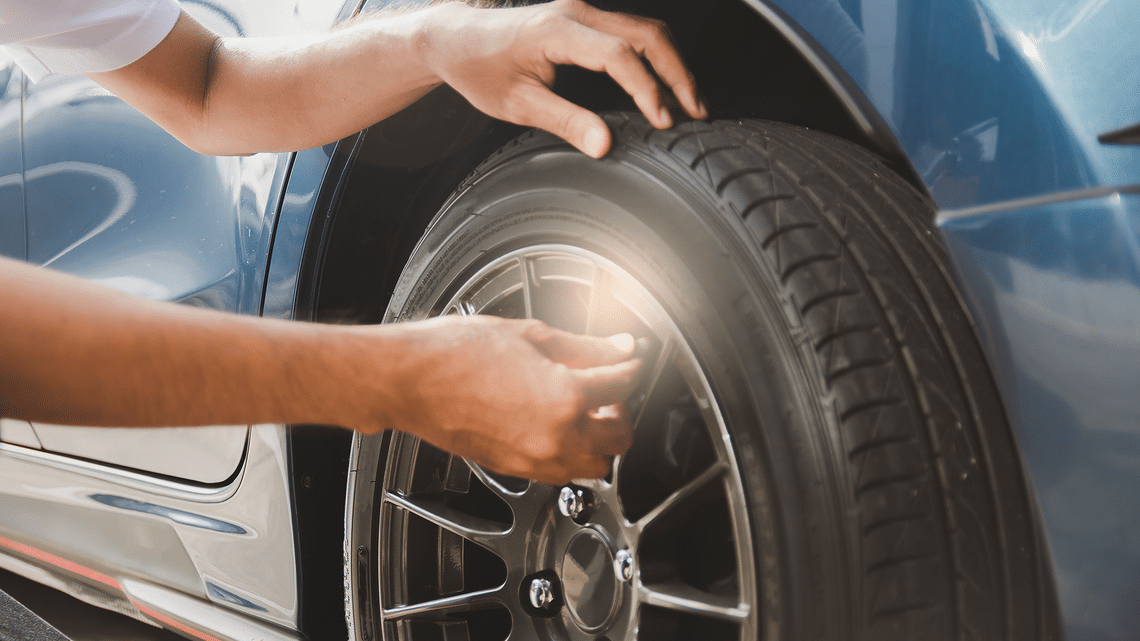
Routine Tire Care Tips
Four habits protect your tires and your safety: check pressure monthly with a gauge, rotate every 6,000 to 8,000 miles, get alignment checked annually or after any significant impact, and keep tires clean by rinsing with water after exposure to road salt or chemicals. None of these require specialist skills or expensive equipment. This page lays them out so you can incorporate them into your regular vehicle routine.View more