MICHELIN Primacy LTX
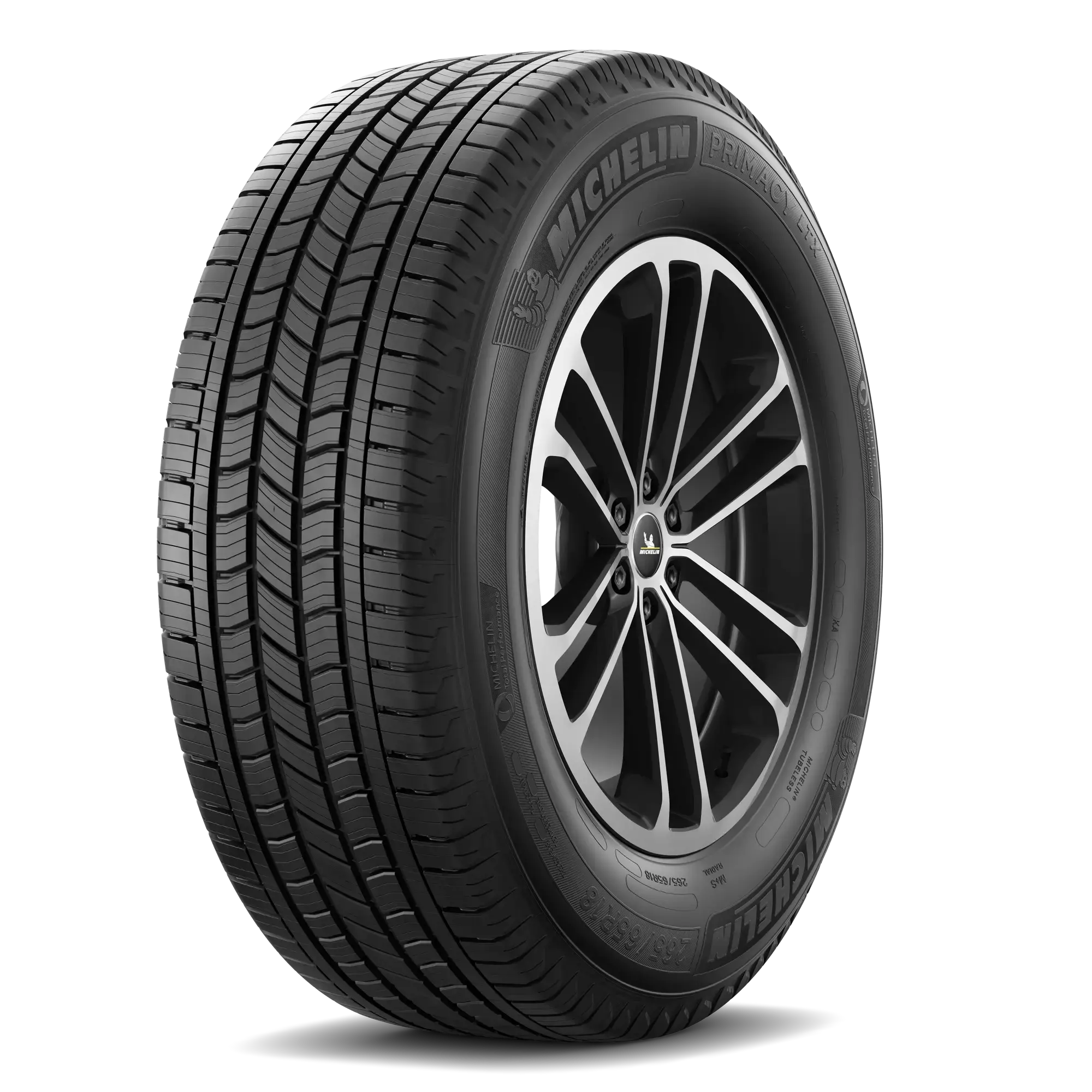
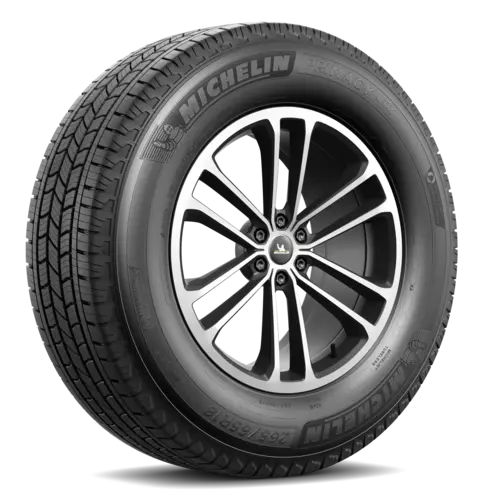
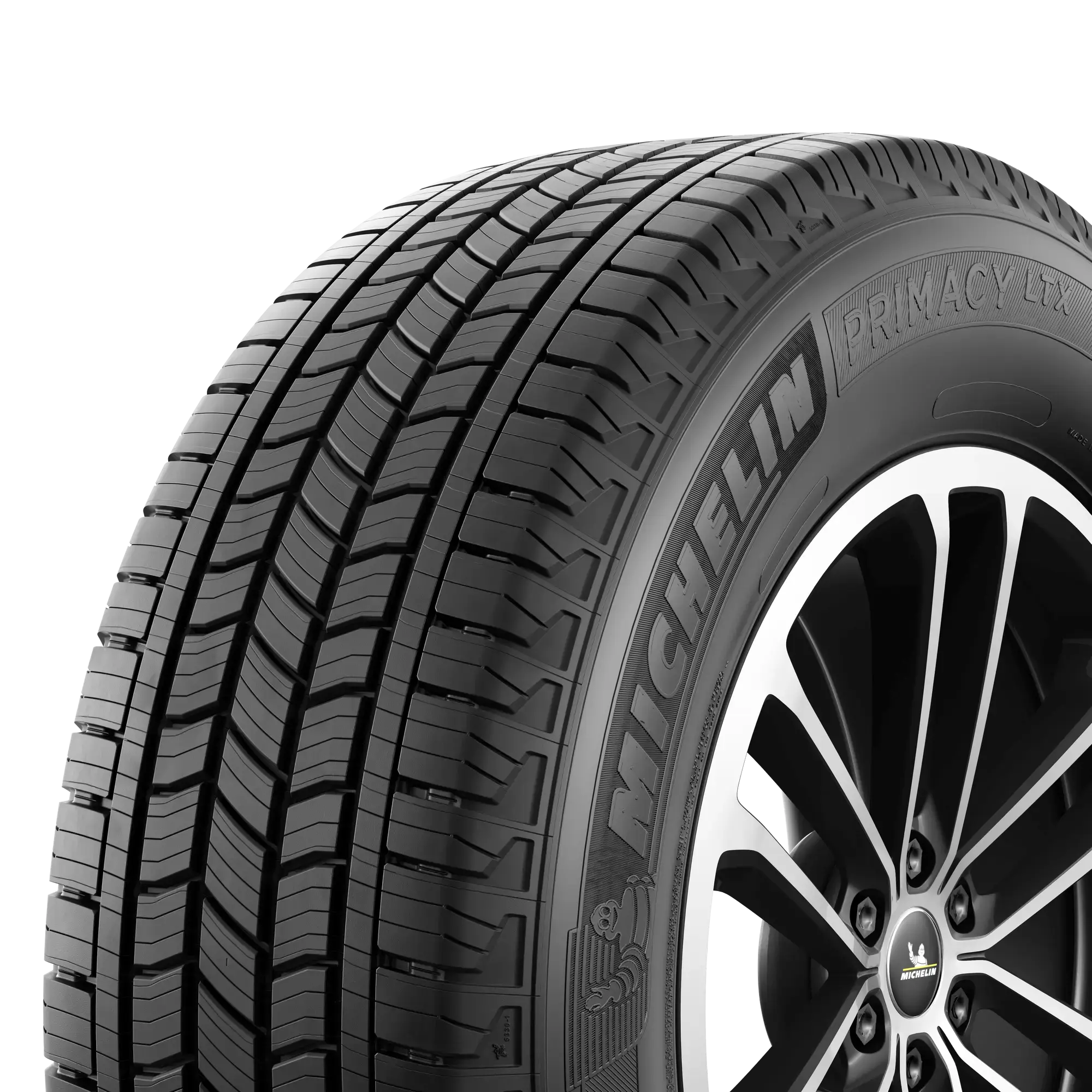
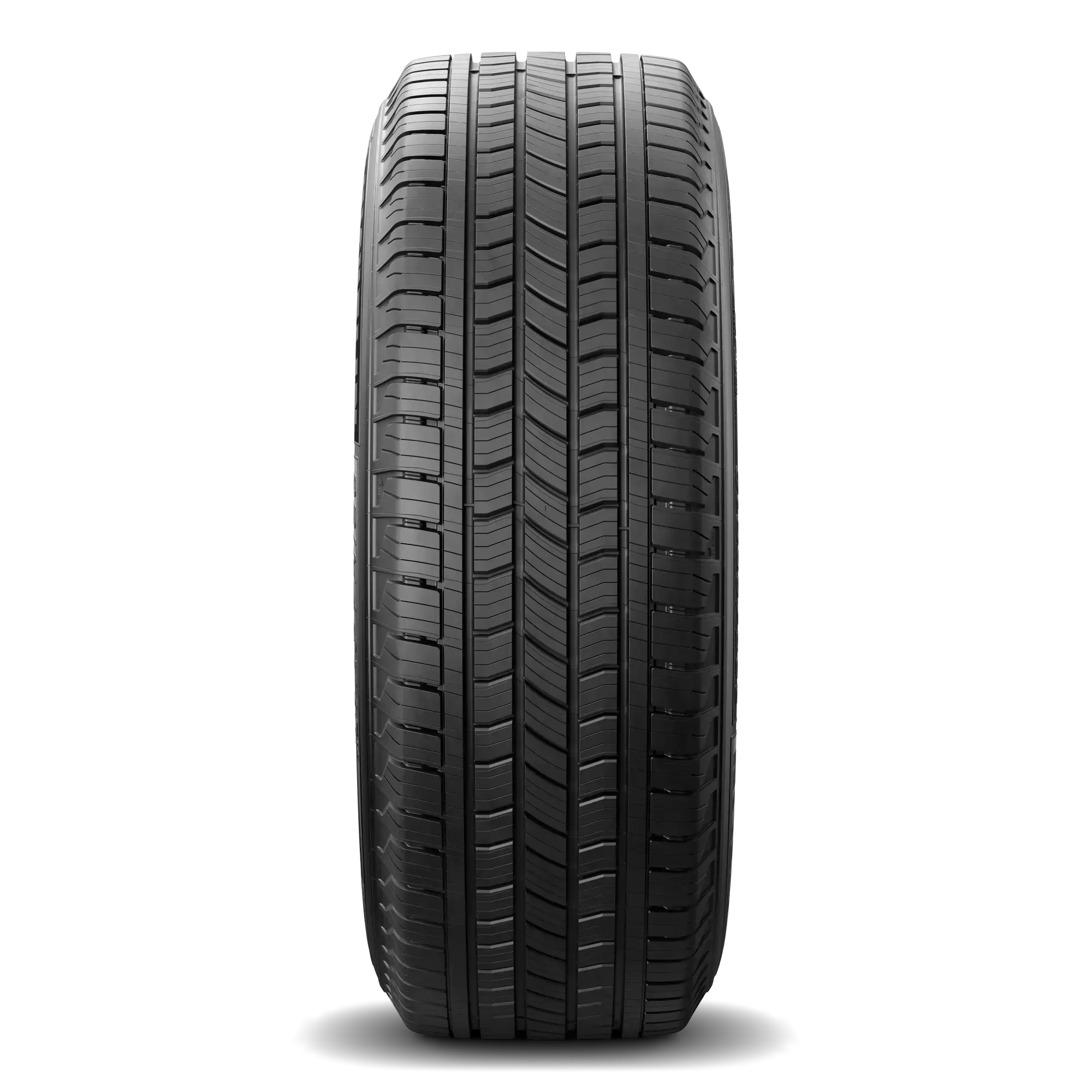
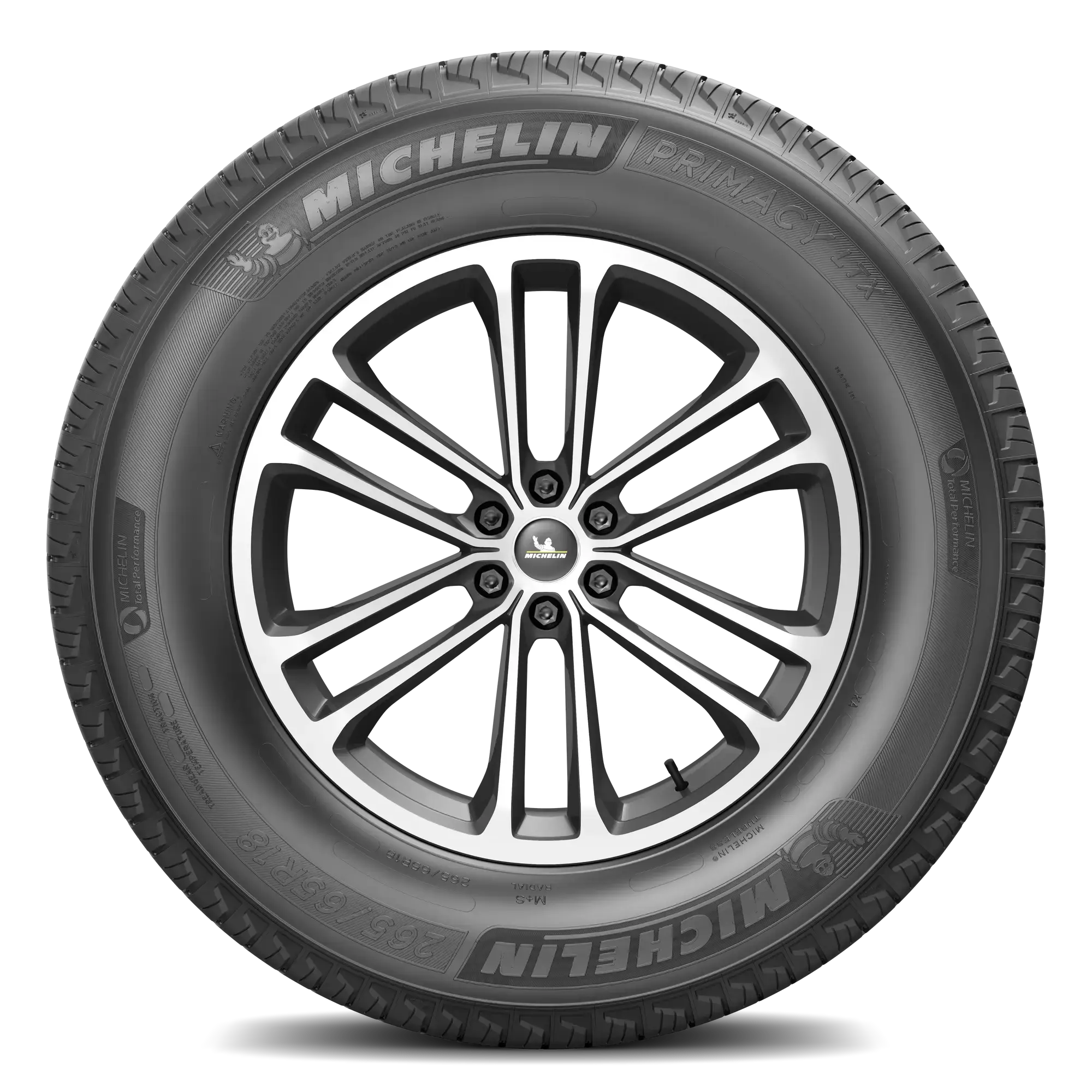
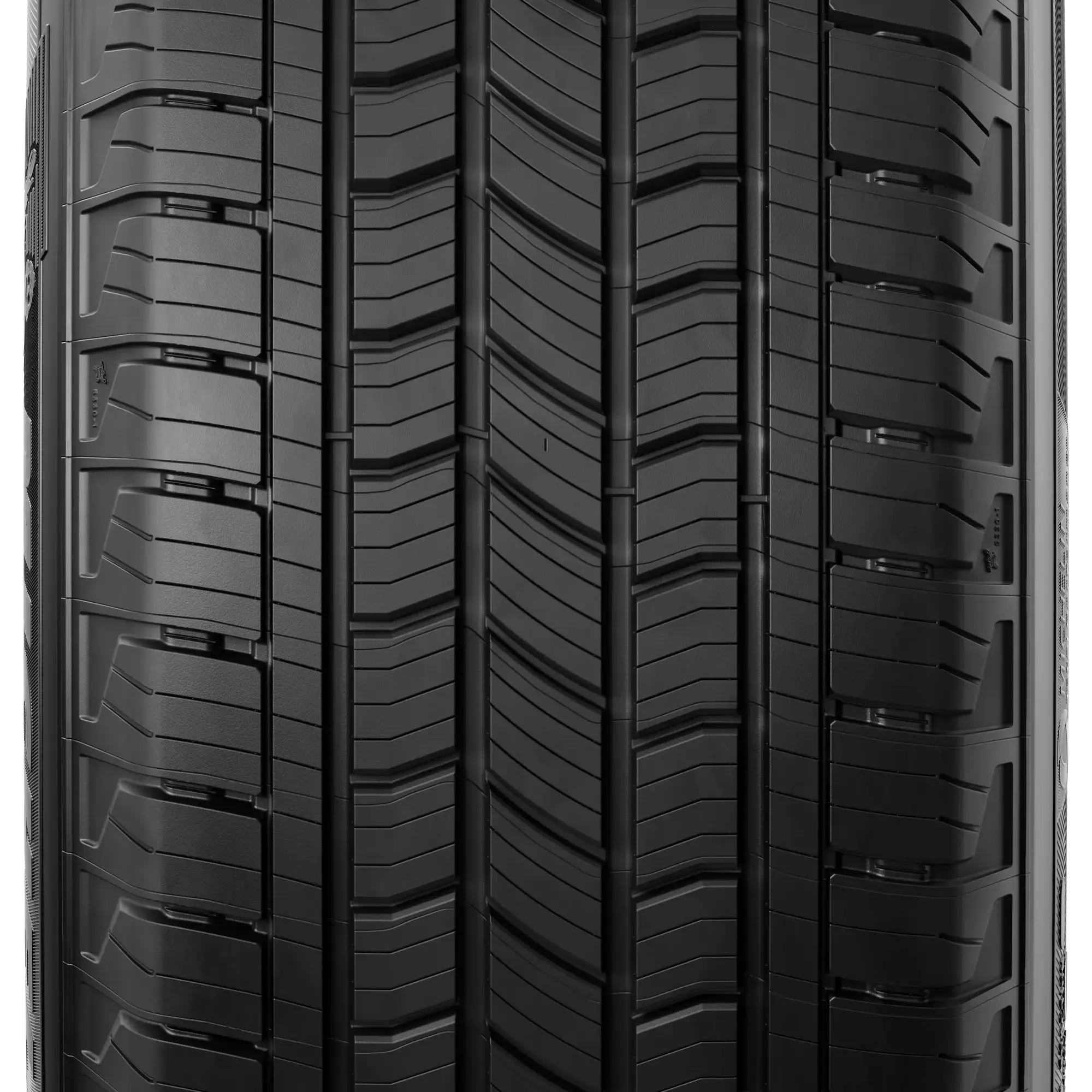
Developed in conjunction with the world's leading truckmakers, the Michelin Primacy LTX is ideally suited for drivers looking to maximize fuel efficiency with a quiet and comfortable ride.
- Supported by the Michelin Promise Plan of a 60-day satisfaction guarantee, roadside assistance, and a 55,000-mileage warranty.
MICHELIN
Key benefits for MICHELIN Primacy LTX tire
Fuel Efficiency
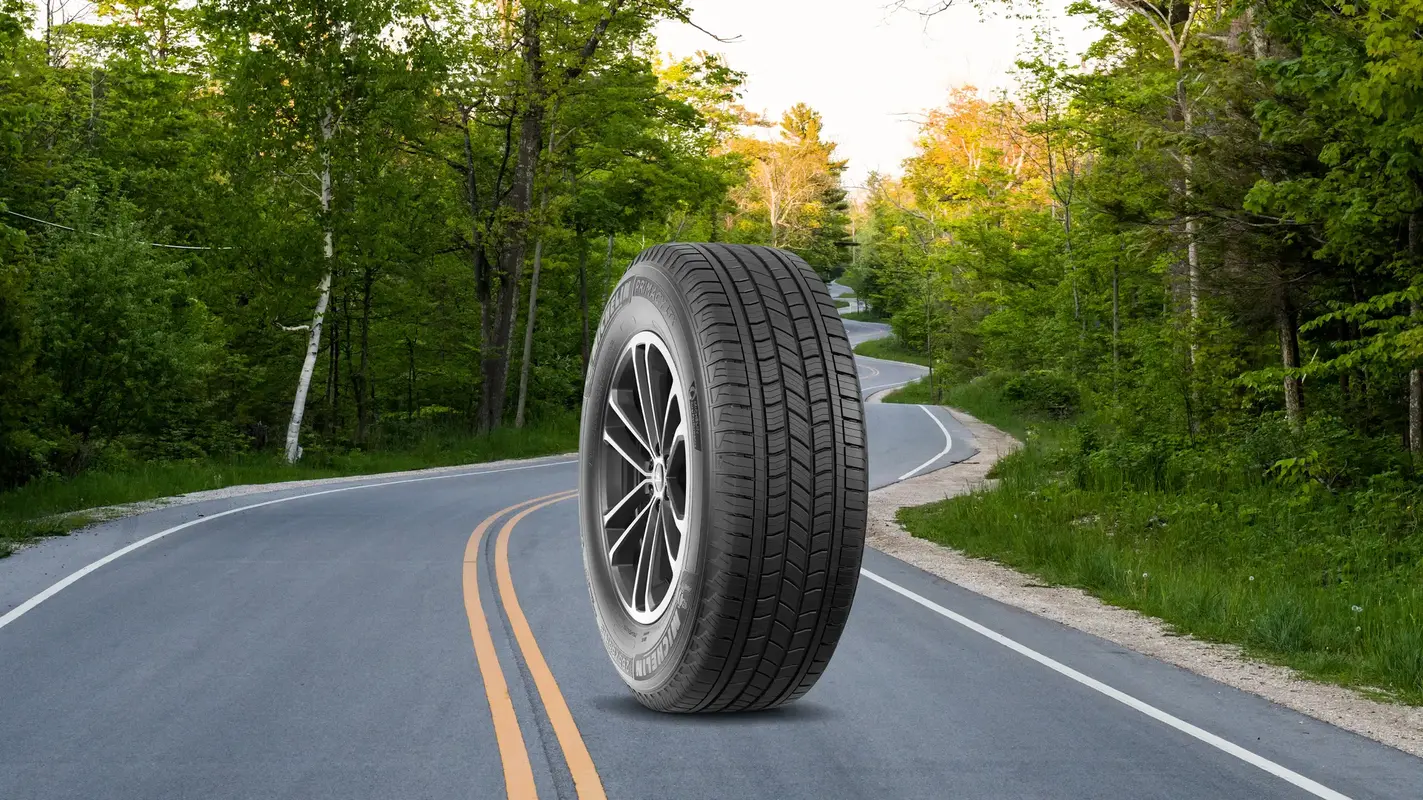
Michelin uses its latest generation of tread compounds to deliver low rolling resistance, helping to improve fuel economy and reduce CO2 emissions.
MICHELIN Primacy LTX Warranties
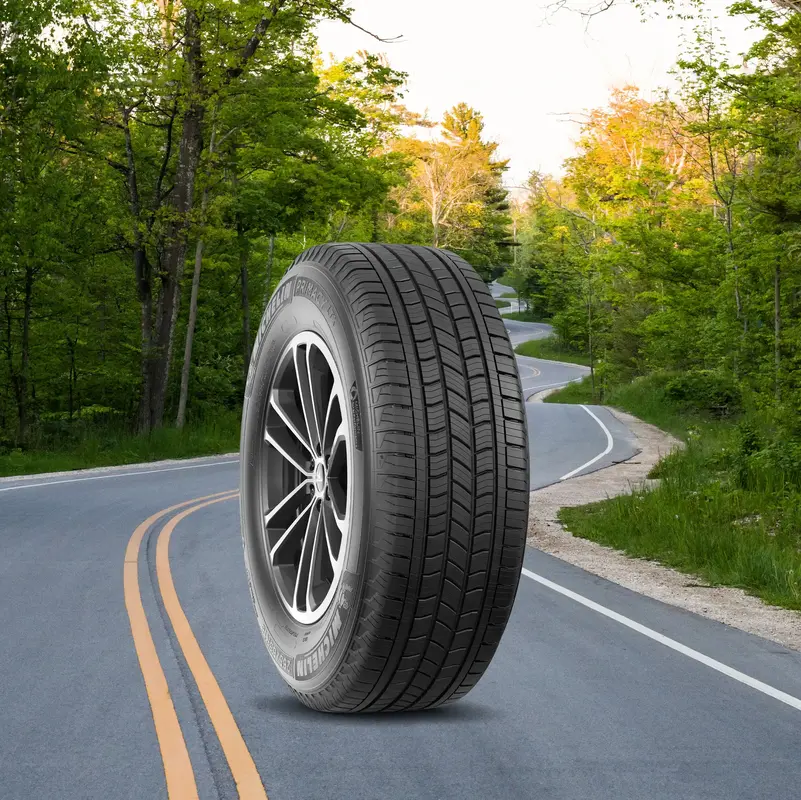
We've got your back. A promise of this magnitude can only come from Michelin.
We want you to be 100% satisfied with your Michelin replacement passenger or light truck tires so they are backed by the Michelin Promise Plan™.
The Michelin Promise Plan™ includes the following benefits: 60-Day Satisfaction Guarantee, Roadside Assistance, Manufacturer's Limited Warranty & Treadwear Warranty.
Discover more 
Primacy LTX TIRE REVIEW
There are 114 reviews for the Primacy LTX

Rating Snapshot
When asked, 43% of reviewers recommend this tire
For any matter regarding customer service (in-store experience, after-sales service, delivery, etc.) please contact our Consumer Care team
Review Summary
Customers are sharply divided. Many report catastrophic failures—delamination, sidewall blowouts, and rapid tread wear at 12,000–36,000 miles, far below expectations. Several describe multiple flats without visible damage, with tread wear indicators appearing at 15,000–28,000 miles. Others note hazardous wet-road handling, hydroplaning, and unstable feel on grooved pavement. A smaller group praises smooth, quiet rides and confident handling. However, most expressing concerns describe profound disappointment, feeling the brand has abandoned quality standards. Despite some positive experiences, the overwhelming consensus reflects eroded trust and widespread durability failures.
AI-generated from the text of customer reviews
1-5 on 114 reviews

Posted on September 13, 2026 by Chief
Collected by Bazaarvoice
Smooth ride
Smooth comfortable ride, even tread wear and good traction
Design
Safety
Performance
Vehicle Make: Jeep Grand Cherokee L
Purchase date: 09/12/26
Posted on August 29, 2026 by Js
Collected by Bazaarvoice
Smooth ride
Vehicle Make: Jeep grand cherokee Limited
Purchase date: 03/29/26
Posted on August 28, 2026 by Telluride Driver
Collected by Bazaarvoice
Poor Tire Life
Purchased a new Kia Telluride from a dealer in Maine in August 2023. After 3 years and 32K miles the tires need to be replaced. This past winter the car was sliding everywhere in the snow with less than 30K miles so I knew I was going to have to get them replaced prior to this winter coming up. I have had Michelin tires on many of my cars and been happy with them; however, I am extremely disappointed in the life of these tires.
Design
Safety
Performance
Vehicle Make: Kia Telluride
Purchase date: 08/01/23
We're sorry to hear you're disappointed with the tread life of your Primacy LTX tires. Tire wear and winter traction can be affected by several factors, including driving conditions, maintenance, and vehicle application, but we understand your concerns given the mileage you described. To determine whether your tires may qualify for warranty consideration, we recommend having them inspected by an authorized tire retailer. Once the inspection is complete, please contact our Consumer Care team with the results at 866-866-6605 (Mon–Fri 8 AM–7 PM EST, Sat 9 AM–1 PM EST). We'd be happy to review your situation and discuss available options.
Michelin US
August 31, 2026
Posted on August 18, 2026 by Moon365
Collected by Bazaarvoice
Not good.
Well. These tires are really not good! They came with my Jeep Cherokee 4xe. I have had to have them filled and patched numerous times. The right back tire always had a slow leak since when I first purchased the car. That tire finally gave out yesterday. Glad I decided to do some research and read these reviews. I will not be going with these same tires unfortunately.
Design
Safety
Performance
Vehicle Make: Jeep Jeep Grand Cherokee 4xe
Purchase date: 03/30/23
We're sorry to hear about the repeated air loss issues you've experienced with your Primacy LTX tires. Air loss can result from a variety of causes, including punctures, wheel or valve concerns, installation-related issues, or other vehicle conditions. We recommend having the tire inspected by an authorized tire retailer to determine the cause of the air loss. After the inspection, please contact our Consumer Care team at 866-866-6605 (Mon-Fri 8 AM-7 PM EST, Sat 9 AM-1 PM EST). We'd be happy to review the findings and discuss any available options with you.
Michelin US
August 28, 2026
Posted on August 6, 2026 by Glen
Collected by Bazaarvoice
Worst tire ever
Worst tire ever, 2 flats within 2 week on my new Nissan frontier
Design
Safety
Performance
Vehicle Make: Frontier Nissan Frontier sv
Purchase date: 06/30/26
Thank you for your feedback. We're sorry to hear you've experienced two flats in such a short time with your Primacy LTX tires. Tire damage can occur for a variety of reasons, including road hazards and other external conditions. We recommend having the tires inspected by an authorized tire retailer to help determine what may have contributed to the flats. Once you have the inspection results, please contact our Consumer Care team at 866-866-6605 (Mon-Fri 8 AM-7 PM EST, Sat 9 AM-1 PM EST).
Michelin US
August 26, 2026
Legal Mentions
H-Speed Rated Sizes:
OE Code [Original Equipment Key]: GM = General Motors FOR = Ford JEP = Jeep NIS = Nissan HYN = Hyundai
Government UTQG Ratings do not apply to light truck sized tires.
XL = Extra Load
>> The sizes shown are average design values for tires measured on specified measuring rim widths. Some tires may vary from this value by +/-3% of the section height (affecting overall diameter), and +/-4% of the section width.
>> Section width varies approximately 0.2" (5mm) for every 0.5" change in rim width.
>> Tread patterns are often tuned to accomodate different tire widths. Tires for a particular dimension of a given tireline may vary in appearance from the tire shown in the photograph.
WARNING: Serious or fatal injury may result from tire failure due to underinflation or overloading. To ensure correct air pressure and vehicle load, refer to vehicle owner's manual or tire information placard on the vehicle. Serious injury or death may result from explosion of tire/rim assembly due to improper mounting. Only tire professionals should mount tires and they should never inflate beyond 40 psi to seat the beads. Before mixing types of tires in any configuration on any vehicle, be sure to check the vehicle owner's manual for its recommendations.
DANGER: Never mount a 16" diameter tire on a 16.5" rim.
DANGER: Never mount a 17" diameter tire on a 17.5" rim.
DANGER: Never mount a 19" diameter tire on a 19.5" rim.
DANGER: Never mount a 22" diameter tire on a 22.5" rim.
Inflation pressure increase must not exceed the maximum pressure branded on the tire sidewall. When a customer requests a replacement tire with a lower speed rating than the original equipment tire, you must clearly communicate to him or her that the handling of the vehicle may be different, and that its maximum speed capability is limited to that of the lowest speed-rated tire on the vehicle. Exceeding the lawful speed limit is neither recommended nor endorsed.
For high-speed driving, additional inflation pressure and possibly reduced tire loading and/or upsizing is required. In the absence of specific recommendations by the vehicle manufacturer, use the following guidelines based on those in the European Tyre and Rim Technical Organization Standards Manual.
For speeds over 160mph (100 mph), load and inflation must be adjusted according to the table below.
T-Speed Rated Sizes:
| Maximum Speed (mph) | 100 | 106 | 112 | 118 |
| Inflation Increase (psi) | 0.0 | 1.0 | 2.0 | 3.0 |
| Load Capacity (% of max.) | 100 | 100 | 100 | 100 |
| Maximum Speed (mph) | 100 | 106 | 112 | 118 | 124 | 130 |
| Inflation Increase (psi) | 0.0 | 1.0 | 2.0 | 3.0 | 4.0 | 5.0 |
| Load Capacity (% of max.) | 100 | 100 | 100 | 100 | 100 | 100 |
The images presented are provided for reference purposes only and do not constitute a contractual representation. They are used for illustration purposes and do not guarantee the exact conformity of the products or services offered.