If your tire becomes damaged, it may be repaired if it meets the following criteria:
The tire has not been driven on when flat.
The damage is only on the tread section of your tire (sidewall damage ruins a tire immediately) and/or
the puncture is no greater than ¼"
For help on how to inspect your tire: Use our Tire Inspector Tool to check your tire tread and damage
If your tire is flat, we can help teach you how to change a tire.
How is a tire properly repaired?
Repairs of all tires must be of the combined-plug-and-inside-patch type.
Your MICHELIN tires (including Michelin PAX System™ tires) must be removed from the wheel for inspection prior to repair. Plug-type repairs made on a tire that remains mounted on a wheel are improper and can result in an accident. A tire should be removed from the rim and inspected prior to repair. Any tire repair done without removing the tire from the rim is improper and can result in an accident.


Find tire dealers near you in seconds
Search among our dealers to find where your tire is available
FAQ
Read our Frequently Asked Questions.
Three conditions all need to be met for a repair to be safe. The puncture must be in the tread area only. It must be no larger than 1/4 inch (6 mm). And the tire must have sufficient remaining tread depth — any tire already at or below the legal wear limit should be replaced, not repaired. If all three conditions are satisfied, a trained technician can carry out a proper patch-and-plug repair after removing the tire from the wheel and inspecting the inside.
No. Sidewall damage cannot be safely repaired. The sidewall flexes constantly with every rotation to absorb road shock — it's a dynamic, load-bearing structure, not a static surface. Any patch or plug applied there will eventually fail under the constant movement and heat. A cut, puncture, or bulge in the sidewall means the tire needs to be replaced, even if the damage looks minor from the outside.
Not as a permanent fix. A plug inserted through the tread from the outside, without removing the tire from the wheel, is considered an improper repair. The inside of the tire must be inspected after any puncture, because the injury may have caused internal damage that isn't visible from the outside. A proper repair — a patch bonded to the inner liner combined with a rubber fill of the hole — can only be done off the wheel by a trained technician.
Possibly not. Even a short distance driven while completely flat can cause internal damage to the sidewall and carcass that won't show on the outside. The tire must be removed from the wheel and inspected before any repair is attempted. If the internal structure is compromised, a repair is not safe regardless of how the puncture itself looks. The technician needs to make that call after a proper inspection.
The tire is removed from the wheel so the inside can be inspected. If the damage qualifies, the technician cleans and buffs the area around the puncture on the inner liner, applies a rubber patch over the puncture site, fills the hole from the tread side with a rubber stem, then remounts and balances the tire. This combined patch-and-plug method addresses both the structural integrity of the inner liner and the air seal through the tread.
A bulge or bubble on the sidewall always means replace the tire. It indicates the internal cords have been damaged, allowing air to infiltrate between the plies. That's a structural failure, not a cosmetic issue. Stop driving on that tire as soon as it's safe to do so, fit the spare, and bring the damaged tire in for inspection. Driving on a sidewall bulge risks a sudden blowout.
Related articles
-
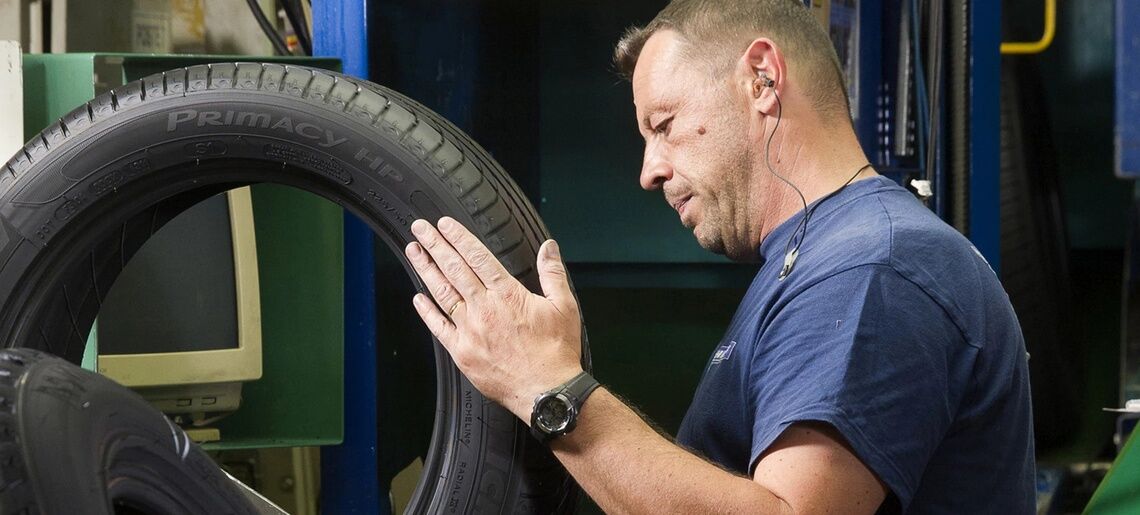
Why is tire maintenance important?
Tires lose air naturally, around one PSI per month, even without a puncture. Running a few PSI below the recommended pressure consistently shortens tire life, increases fuel consumption, and in severe cases can lead to a structural failure at highway speed. This page explains the specific consequences of neglected tire maintenance so the case for regular checks is clear and concrete.View more -
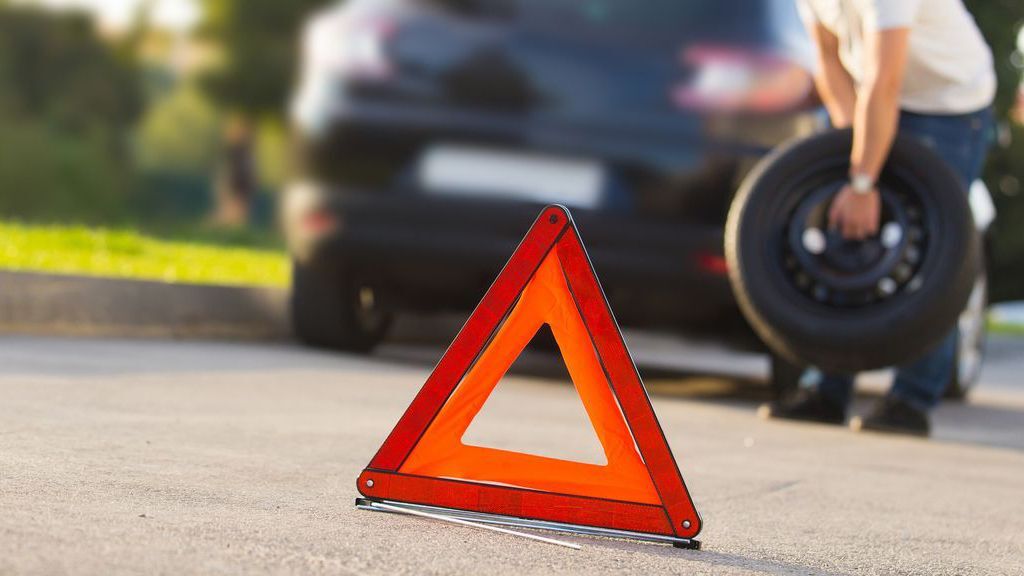
How to Change a Car Tire?
Changing a flat tire on the roadside takes about 20 minutes when you have practiced beforehand. Before you need to do it at night on a busy road, confirm your spare is in the trunk and inflated, find your jack, and know how to use both. This step-by-step guide covers vehicle positioning, safe jacking, lug nut sequence, and what to check before driving away on the spare.View more -

How to Properly Inflate Your Car Tires
Tire inflation is an important factor to ensure your safety and that of your passengers. If your tire pressure is incorrect, it can also impact your vehicle's operating costs through premature tire wear and higher-than-normal fuel consumption.
In this article, you will learn when you should check your tire pressure and how to inflate tires in 3 simple steps. You will see that tire inflation has to be done differently depending on whether your tires are cold or warm and that the spare wheel should also be checked regularly, although not as often as the other tires.
We will also address the question of the portable tire inflation compressor as an alternative to gas stations and help you decide if you should inflate tires with nitrogen.View more -
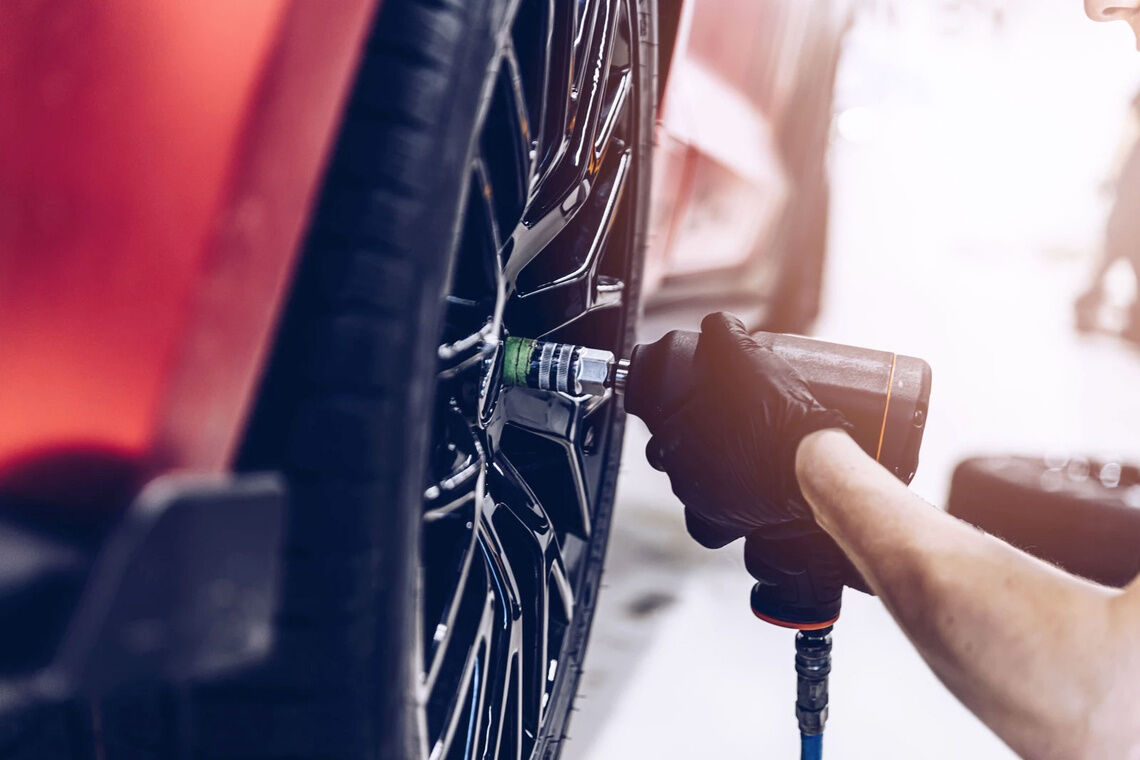
Tire Rotation: Why It Matters and How to Do It
Interchanging tires on a regular basis is an important step in tire maintenance, as it increases tire life, maintains balanced vehicle control, and promotes even tread wear. Tires wear differently depending on where they are mounted on the vehicle; therefore, adhering to specified rotation schedules helps distribute wear more evenly across all four tires over time. Tire rotation, paired with proper tire inflation, wheel alignment, and wheel balancing, helps ensure predictable vehicle performance.View more -
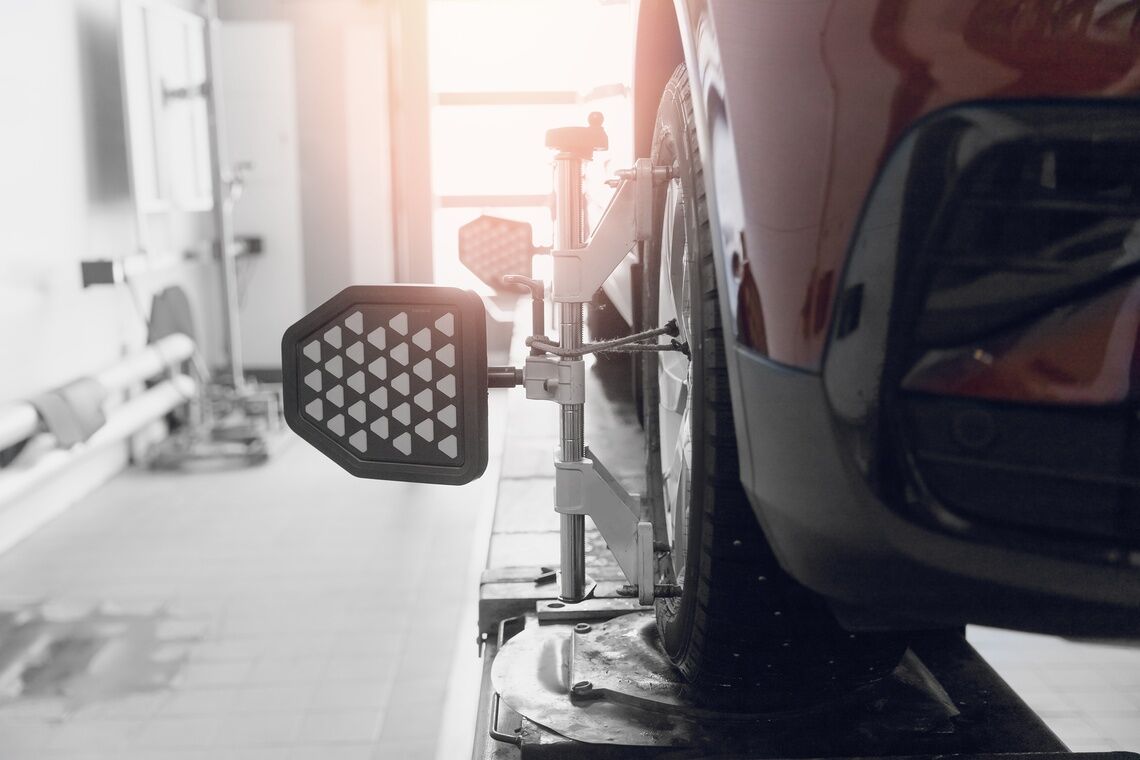
Wheel Alignment and Balancing: Why They Matter
Wheel alignment and wheel balancing are important yet often misinterpreted services that impact tire performance. While these services are frequently recommended together, each addresses distinct issues that significantly influence tire wear, vehicle handling, and operational efficiency.
Understanding how alignment, balancing, mounting, and wheel fitment work together can help you protect your tires, improve driving comfort, and avoid unnecessary wear.View more -

Visual Tire Inspection Before Installation
Before installing new or used tires, perform a thorough visual check. This step ensures proper mounting and supports optimal tire performance. Skipping or hurrying through this phase may result in vibrations, air loss, handling issues, or premature tire wear after installation.View more -
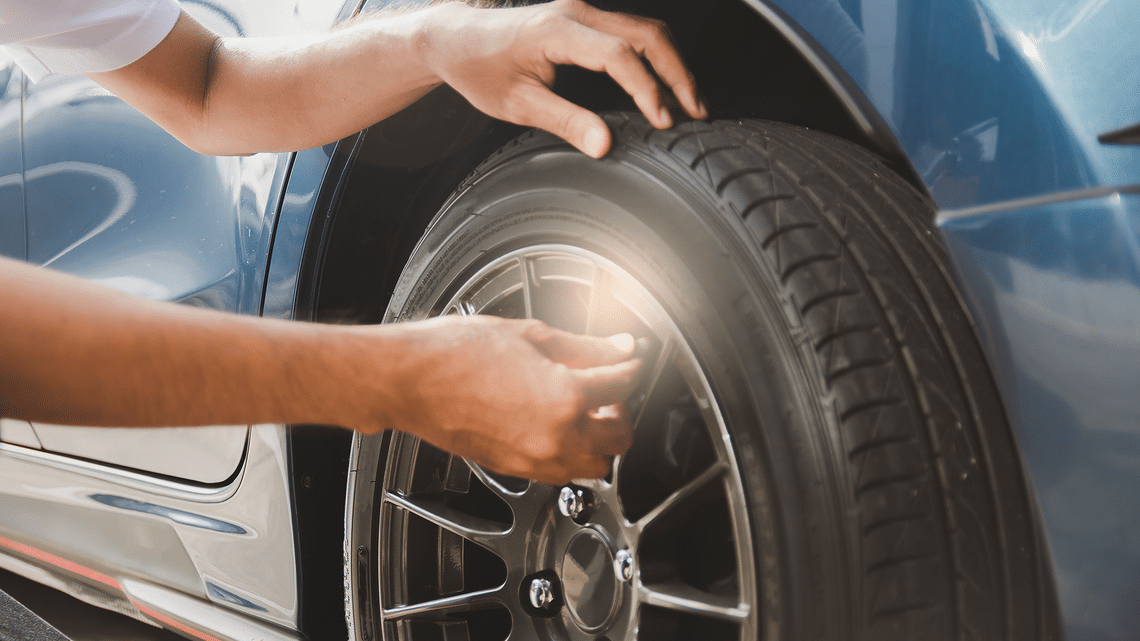
Routine Tire Care Tips
Four habits protect your tires and your safety: check pressure monthly with a gauge, rotate every 6,000 to 8,000 miles, get alignment checked annually or after any significant impact, and keep tires clean by rinsing with water after exposure to road salt or chemicals. None of these require specialist skills or expensive equipment. This page lays them out so you can incorporate them into your regular vehicle routine.View more