MICHELIN Pilot Sport PS2
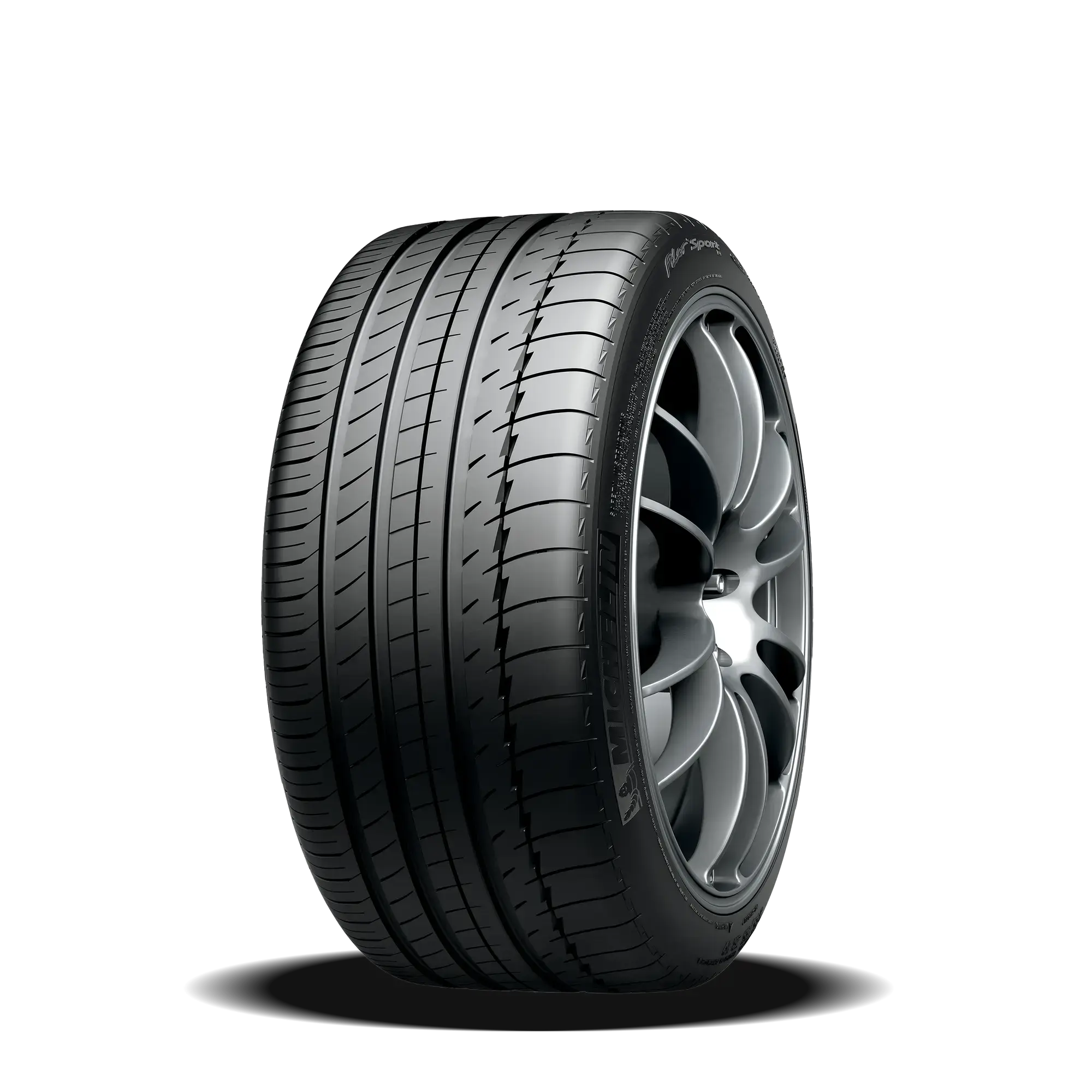
Enhanced driving sensations.
Exceptional performance for drivers demanding precise sport handling. Original equipment on renowned sports cars like BMW M3, Porsche 911 and Chevrolet Corvette ZR1.
- Exceptional Handling
- Dry Traction
- Safety
- Supported by the Michelin Promise Plan of a 60-day satisfaction guarantee, roadside assistance, and a 20,000-mileage warranty.
MICHELIN
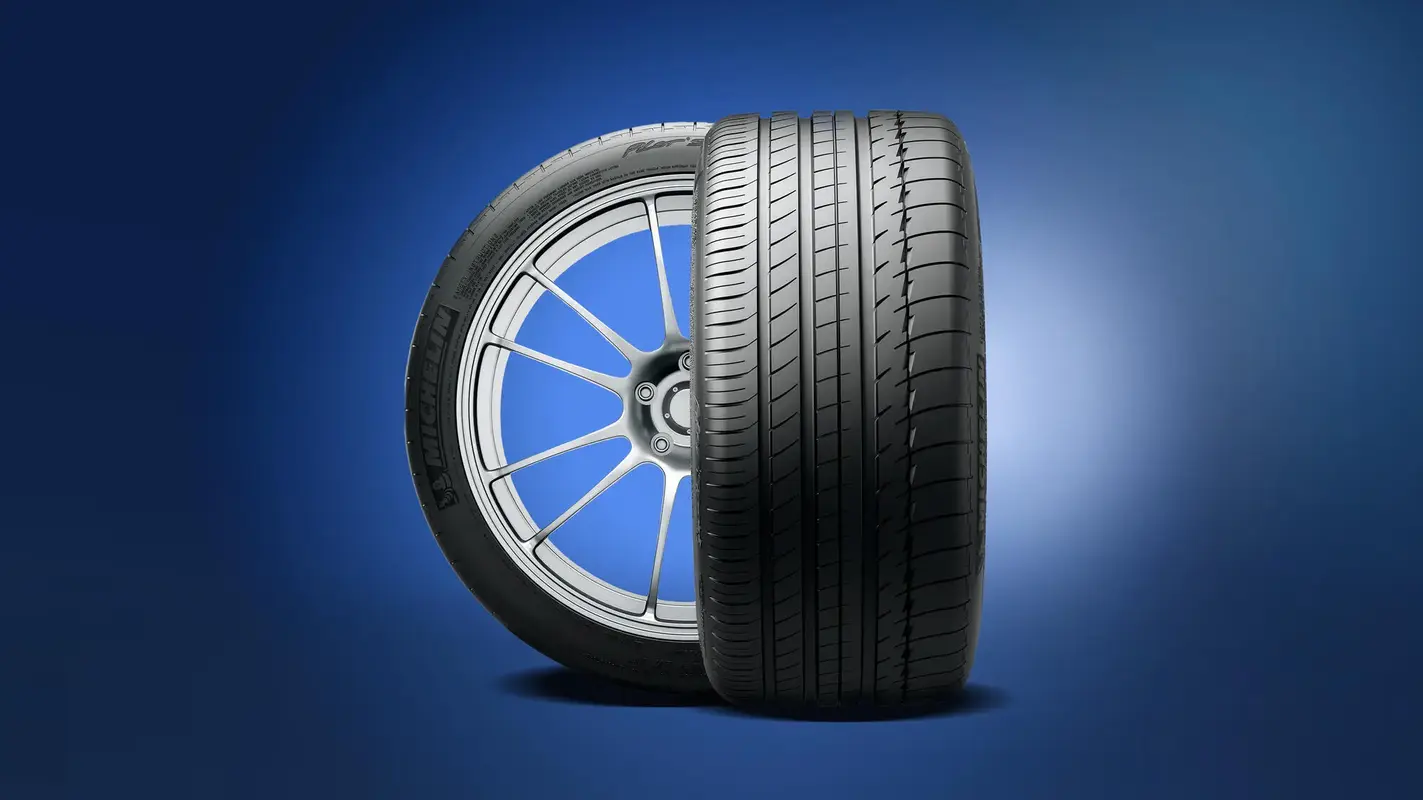
Key benefits for MICHELIN Pilot Sport PS2 tire
Chosen by the world’s top sports car manufacturers.
Tires that meet or exceed the discriminating standards of the biggest names in the ultra-high performance category.
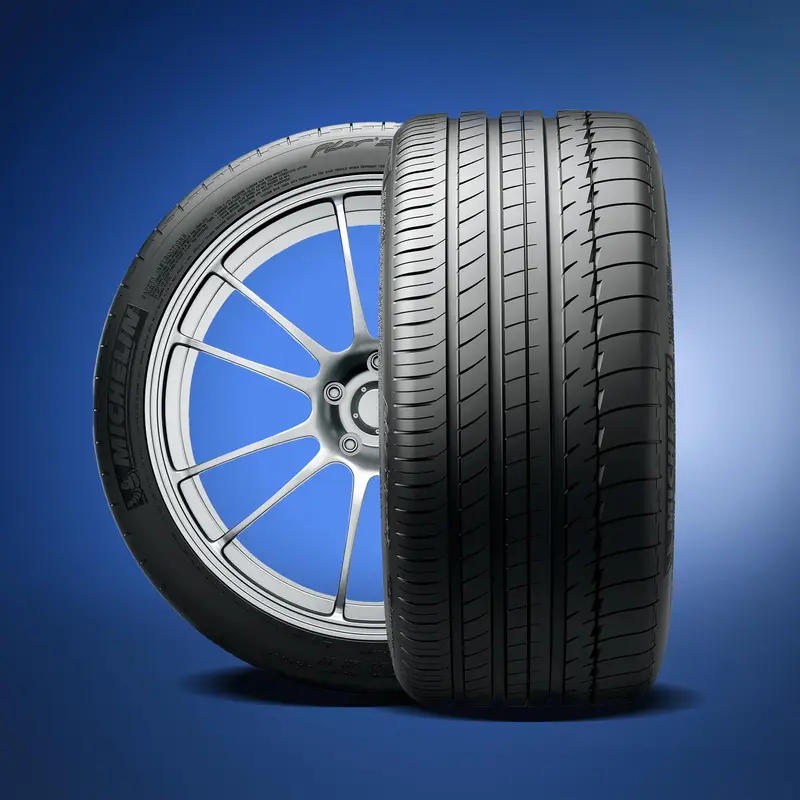
MICHELIN Pilot Sport PS2 Warranties
We've got your back. A promise of this magnitude can only come from Michelin.
We want you to be 100% satisfied with your Michelin replacement passenger or light truck tires so they are backed by the Michelin Promise Plan™.
The Michelin Promise Plan™ includes the following benefits: 60-Day Satisfaction Guarantee, Roadside Assistance, Manufacturer's Limited Warranty & Treadwear Warranty.
Discover more 
Pilot Sport PS2 TIRE REVIEW
There are 403 reviews for the Pilot Sport PS2

Rating Snapshot
When asked, 97% of reviewers recommend this tire
For any matter regarding customer service (in-store experience, after-sales service, delivery, etc.) please contact our Consumer Care team
Review Summary
The Michelin Pilot Sport PS2 tires are praised for their exceptional grip, responsive steering, and precise cornering in both dry and wet conditions. Customers report a smooth, comfortable ride with impressive performance. The tires are described as durable and long-lasting, though some note they may wear faster than standard all-season tires. Overall, the tires are highly recommended for their outstanding handling and traction, though the premium price is noted as a potential drawback.
AI-generated from the text of customer reviews
1-5 on 403 reviews

Posted on December 1, 2025 by ajb42
Collected by Bazaarvoice
I love these tires
Michelin pilot sport ps2 were nearly perfect for smothe rides absolutely perfect for grip and have an interesting tread pattern, they offered multiple opportunities to get the feel of wet roads
Posted on: influenster.com
Posted on October 19, 2025 by michaelm391
Collected by Bazaarvoice
Love them
Great tires fit great, great traction handle very good and overall a very good tire highly recommend these. Going ti get another set for my other car soon
Posted on: influenster.com
Posted on September 22, 2025 by Sergio
Collected by Bazaarvoice
Pilot Sport PS2.
I've trusted Michelin tires for over 20-years, and they continue to be my top choice. Over the years, I've tried other brands across various quality ranges, but I always find myself returning to Michelin. They consistently deliver a smooth, reliable ride that makes me feel safe and confident behind the wheel. Driving becomes pure enjoyment with no concerns—just performance and peace of mind. The only downside is the price. Yes, they're expensive, but when you're driving a high-performance vehicle, that extra cost is worth every penny for the security and quality you get.
Posted on: michelin.com
Posted on September 8, 2025 by khriszas
Collected by Bazaarvoice
Save and comfort
These tires are excellent in both performance and quality. They provide great grip on the road, even in wet conditions, and make driving feel much safer and smoother. A reliable choice for anyone looking for durability and comfort.
Posted on: influenster.com
Posted on August 21, 2025 by michaelb554
Collected by Bazaarvoice
Real road feel
High performance car tires are designed for drivers who demand superior handling, speed, and traction. They offer exceptional grip in dry conditions, sharp cornering, and precise steering response, making them ideal for sporty driving or performance vehicles. These tires enhance braking performance and deliver a more connected, responsive feel on the road. However, they tend to wear faster than standard all-season tires and may not perform as well in cold or wet weather. If you prioritize driving performance and control over longevity, high performance tires are a smart choice.
Posted on: influenster.com
Legal Mentions
Y-Speed Rated Sizes:
OE [Vehicle Manufacturer] Sidewall Marking: * = BMW, C1 = Dodge, K1 & K2 = Ferrari, MO & MO1= Mercedes-Benz, N0, N1, N2,N3 & N4 = Porsche, AO & R01 = Audi, TPC= Cadillac and Chevrolet
OE Code [Original Equipment Key]: ACU = Acura, AUD = Audi, BMW = BMW, CAD = Cadillac, CHR = Chrysler, FER = Ferrari, GM = GM, LEX = Lexus, MAS = Maserati, MB = Mercedes-Benz, POR = Porsche
ZP = Zero Pressure Run-Flat Technology
# The Load and Speed Index data are not shown on the tire sidewall and are provided for information only purposes
XL = Extra Load
LL = Light Load
>> The sizes shown are average design values for tires measured on specified measuring rim widths. Some tires may vary from this value by +/-3% of the section height (affecting overall diameter), and +/-4% of the section width.
>> Section width varies approximately 0.2" (5mm) for every 0.5" change in rim width.
>> Tread patterns are often tuned to accomodate different tire widths. Tires for a particular dimension of a given tireline may vary in appearance from the tire shown in the photograph.
WARNING: Serious or fatal injury may result from tire failure due to underinflation or overloading. To ensure correct air pressure and vehicle load, refer to vehicle owner's manual or tire information placard on the vehicle. Serious injury or death may result from explosion of tire/rim assembly due to improper mounting. Only tire professionals should mount tires and they should never inflate beyond 40 psi to seat the beads. Before mixing types of tires in any configuration on any vehicle, be sure to check the vehicle owner's manual for its recommendations.
DANGER: Never mount a 17" diameter tire on a 17.5" rim.
Inflation pressure increase must not exceed the maximum pressure branded on the tire sidewall. When a customer requests a replacement tire with a lower speed rating than the original equipment tire, you must clearly communicate to him or her that the handling of the vehicle may be different, and that its maximum speed capability is limited to that of the lowest speed-rated tire on the vehicle. Exceeding the lawful speed limit is neither recommended nor endorsed.
For high-speed driving, additional inflation pressure and possibly reduced tire loading and/or upsizing is required. In the absence of specific recommendations by the vehicle manufacturer, use the following guidelines based on those in the European Tyre and Rim Technical Organization Standards Manual.
For speeds over 160mph (100 mph), load and inflation must be adjusted according to the table below.
W-Speed Rated Sizes:
| Maximum Speed (mph) | 118 | 124 | 130 | 136 | 143 | 149 | 155 | 161 | 168 |
| Inflation Increase (psi) | 0 | 1.5 | 3.0 | 4.5 | 6.0 | 7.5 | 7.5 | 7.5 | 7.5 |
| Load Capacity (% of max.) | 100 | 100 | 100 | 100 | 100 | 100 | 95 | 90 | 85 |
| Maximum Speed (mph) | 118 | 124 | 130 | 136 | 143 | 149 | 155 | 161 | 168 | 174 | 180 | 186 |
| Inflation Increase (psi) | 0 | 0 | 0 | 0 | 1.5 | 3 | 4.5 | 6 | 7.5 | 7.5 | 7.5 | 7.5 |
| Load Capacity (% of max.) | 100 | 100 | 100 | 100 | 100 | 100 | 100 | 100 | 100 | 95 | 90 | 85 |
For speeds above 186 mph (300 kph), consult your vehicle manufacturer and tire dealer.
The images presented are provided for reference purposes only and do not constitute a contractual representation. They are used for illustration purposes and do not guarantee the exact conformity of the products or services offered.