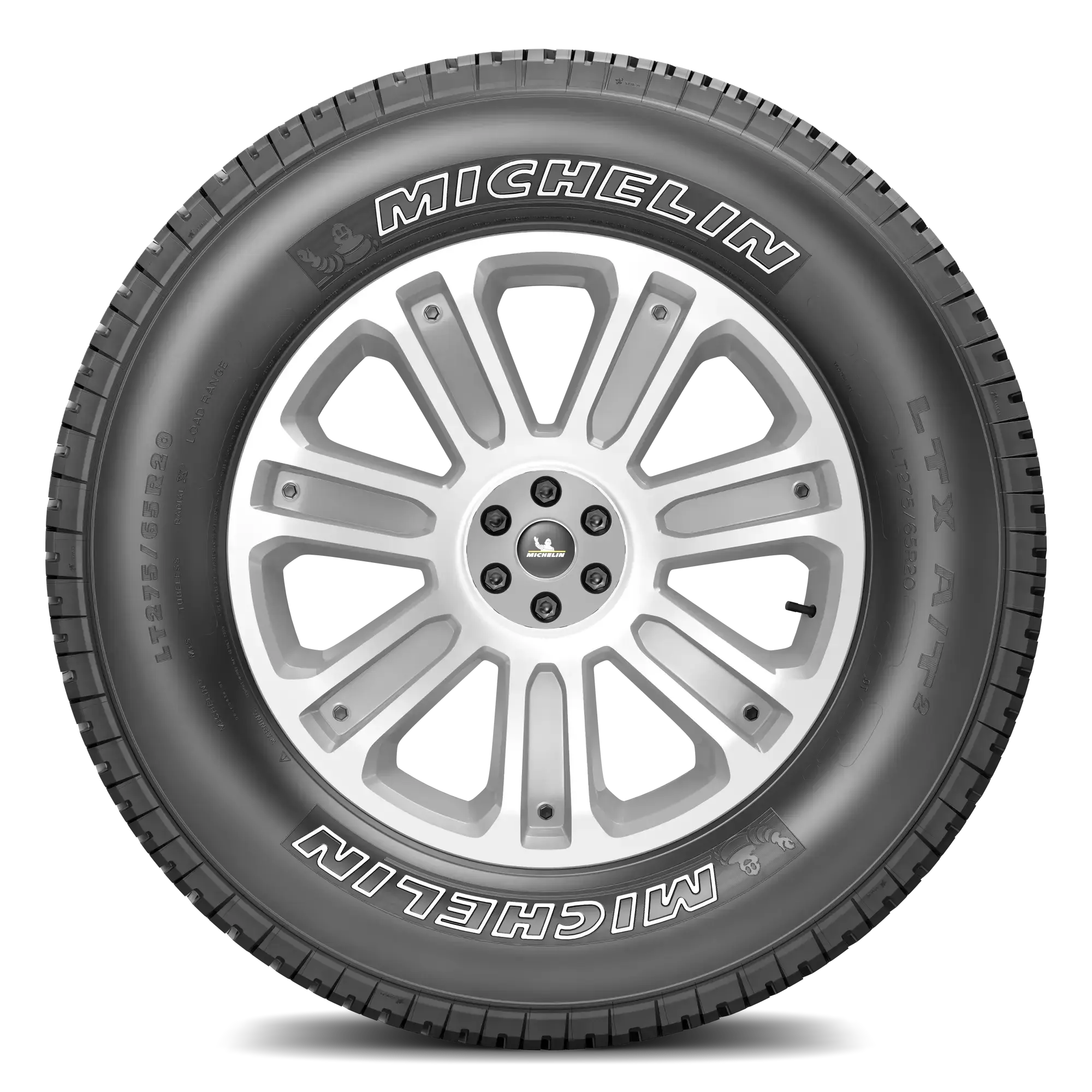
MICHELIN LTX A/T2
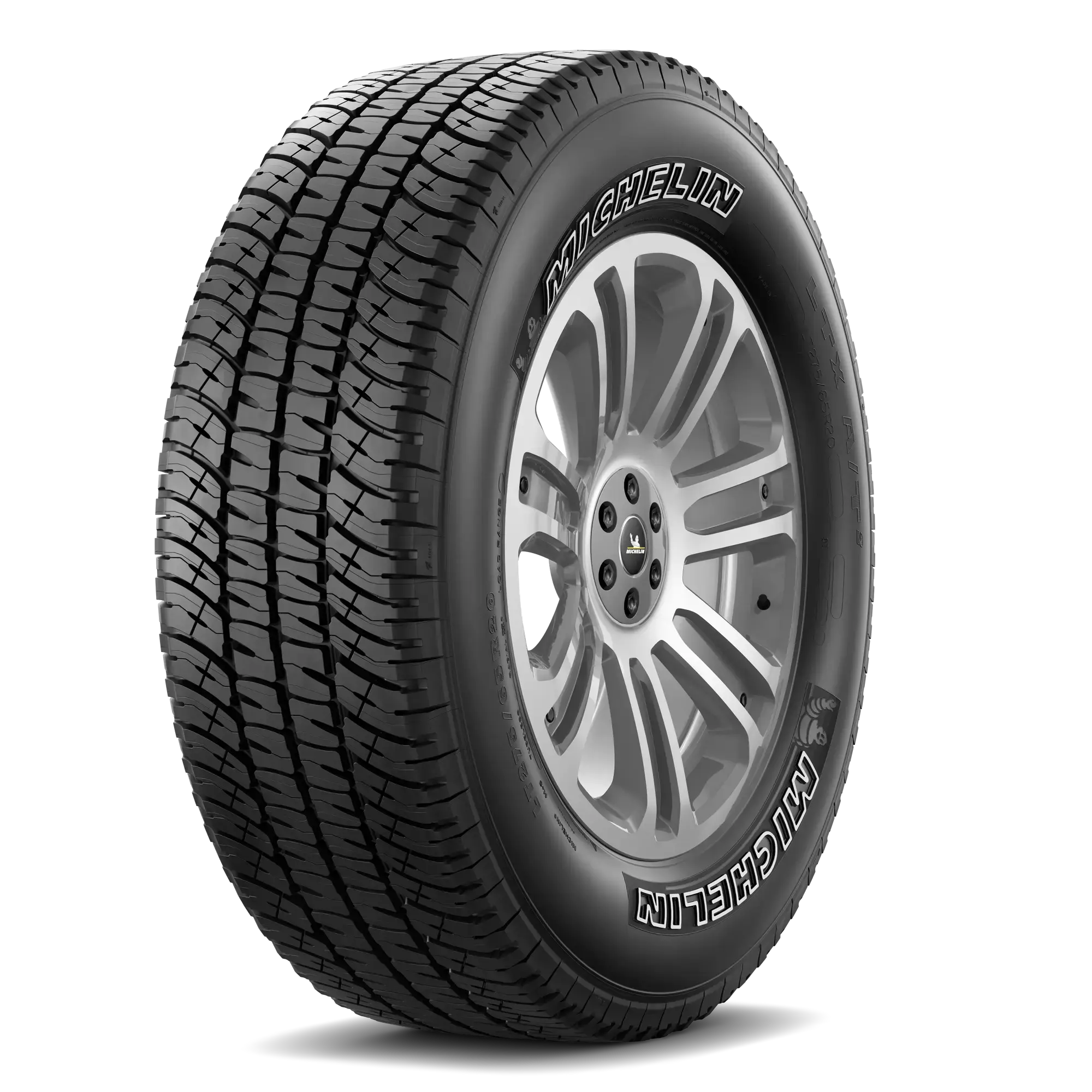
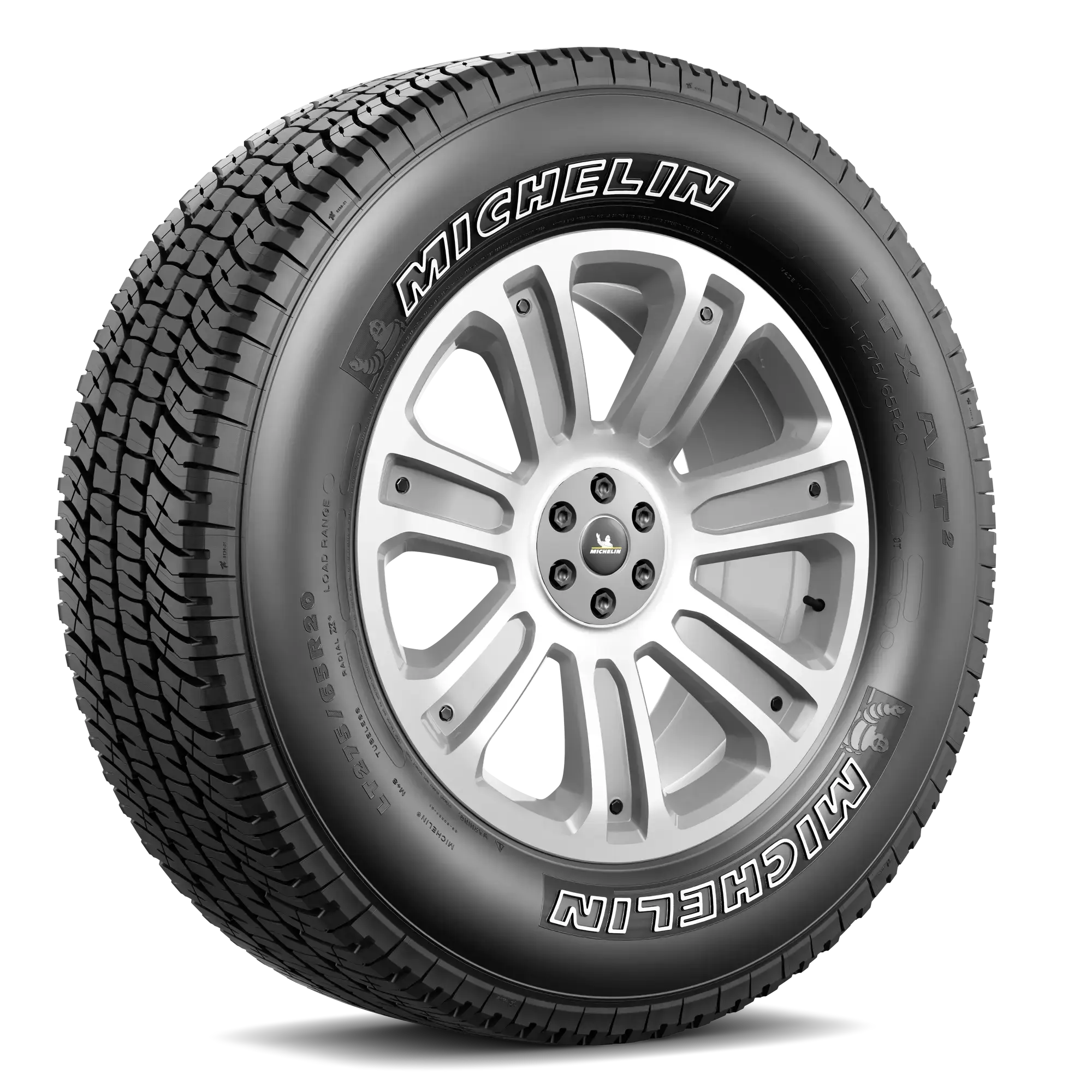
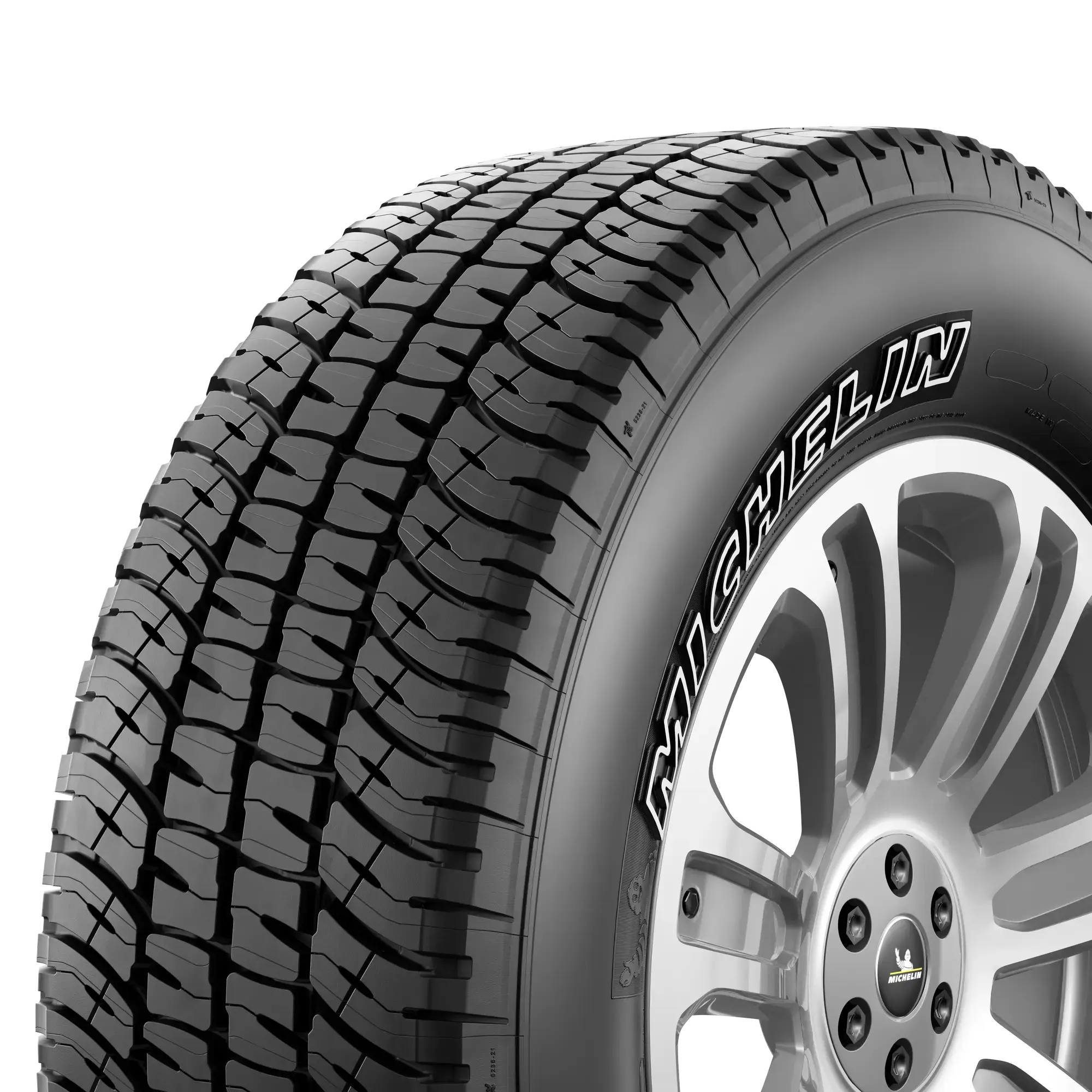
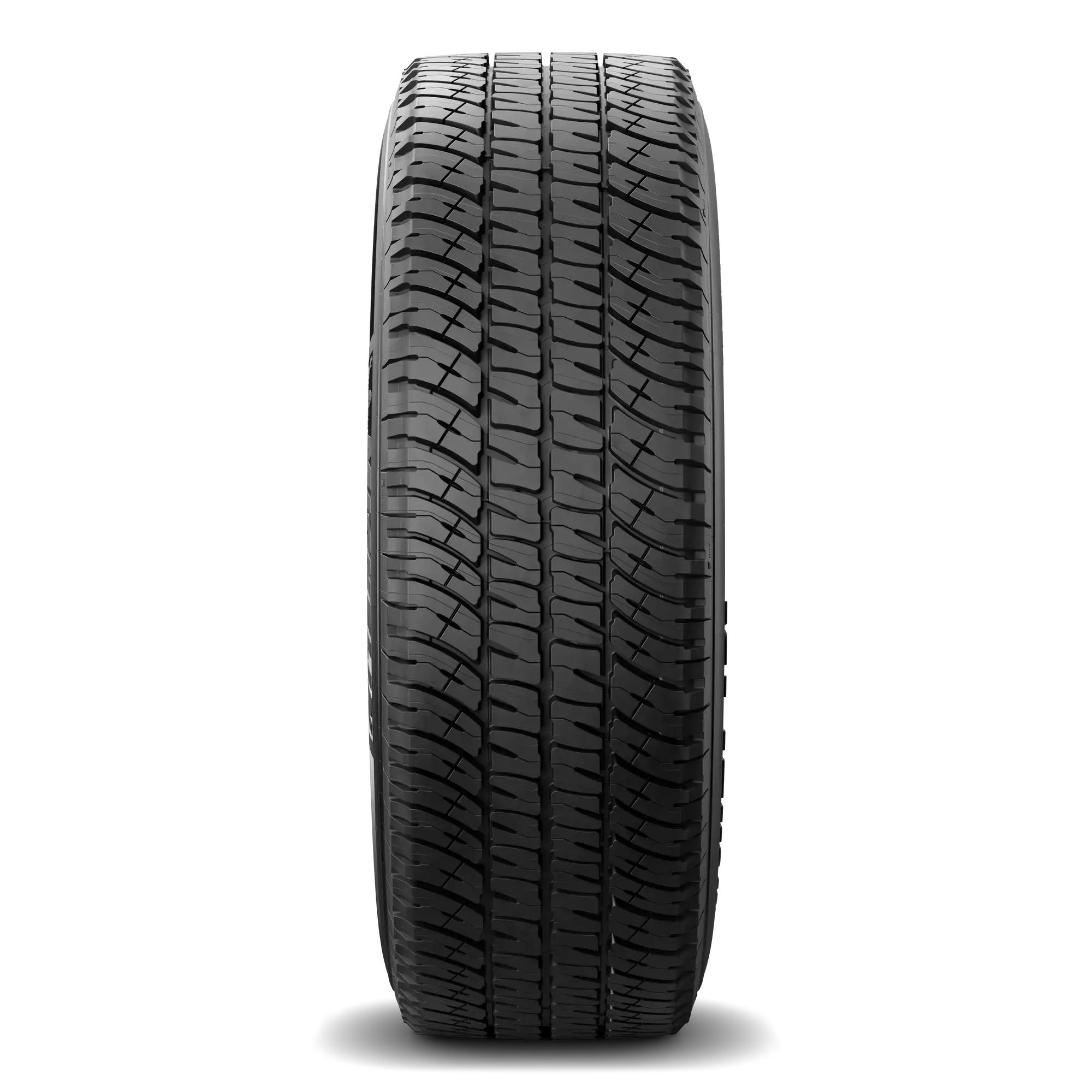
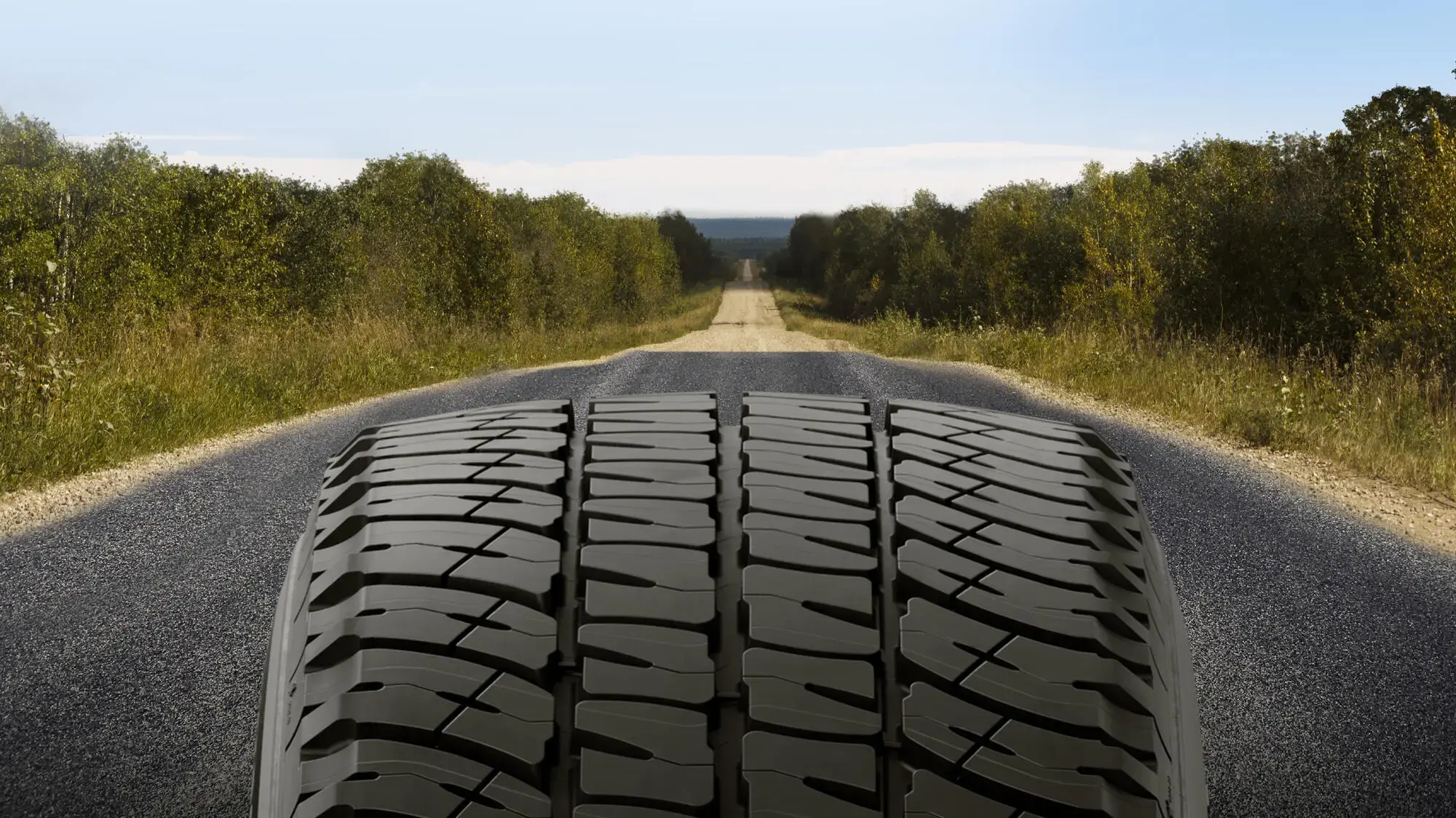
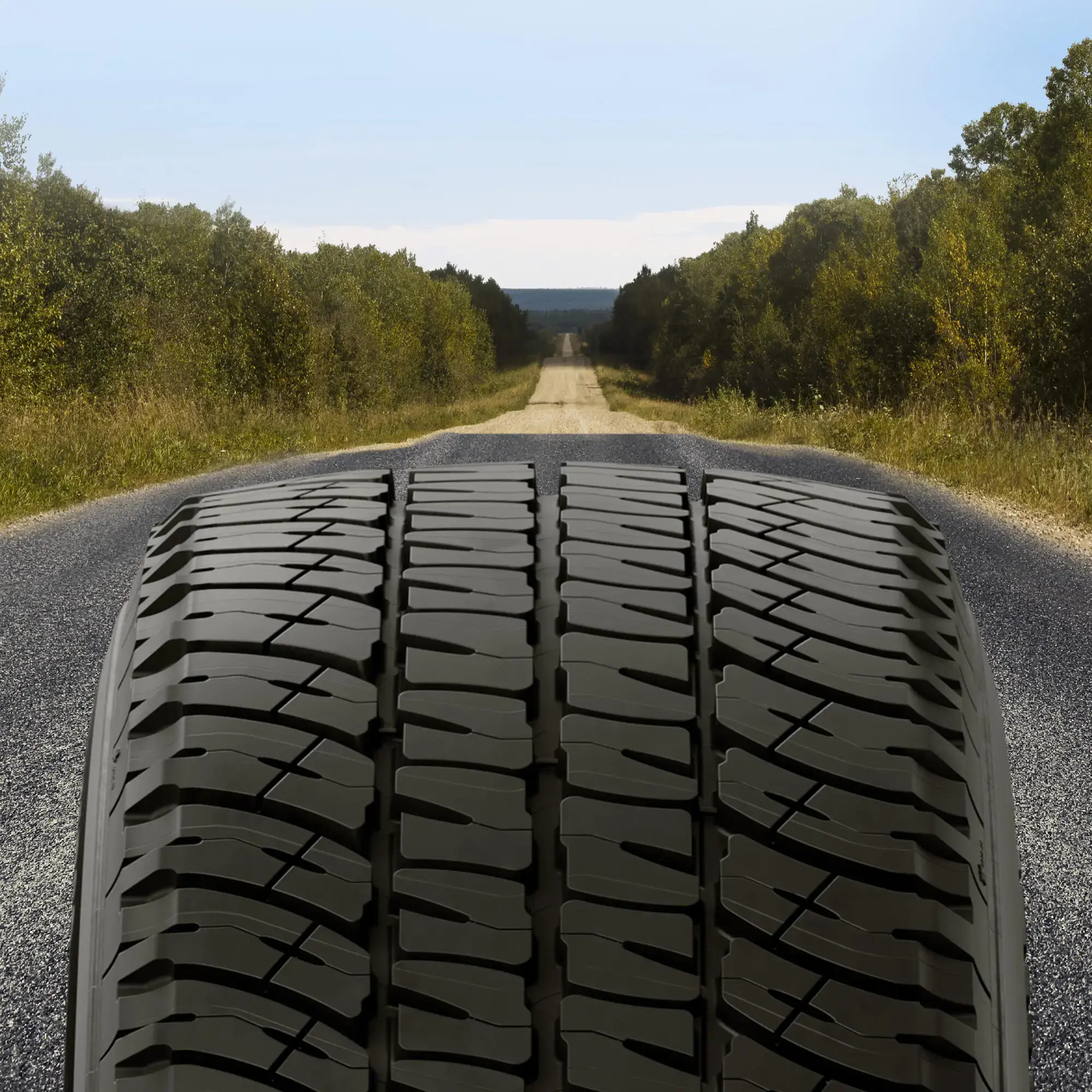
Durability when the pavement ends
MICHELIN
Key benefits for MICHELIN LTX A/T2 tire
Long tire life in tough driving conditions.
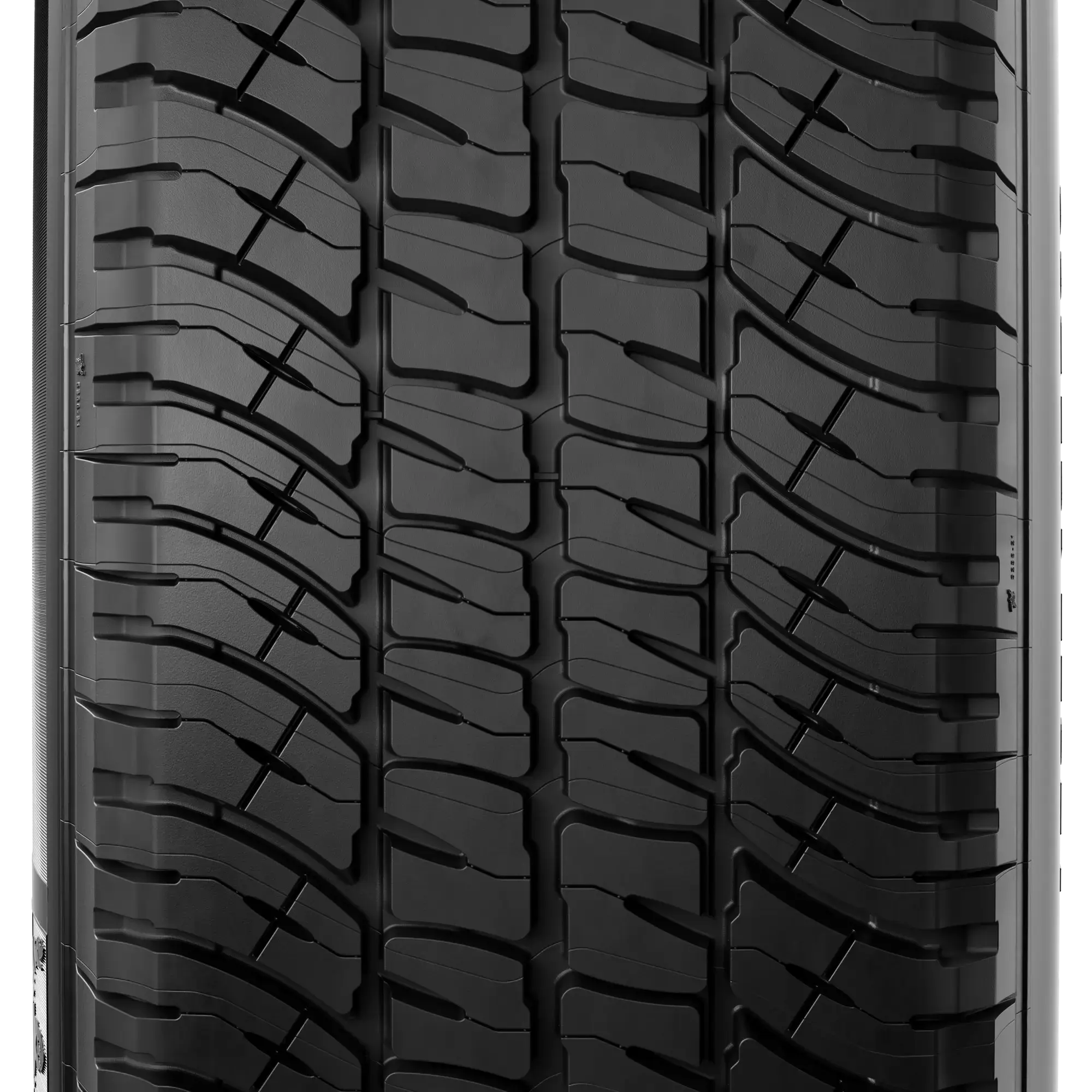
Built to last, the MICHELIN LTX A/T2 all-terrain tire includes a 60,000 mile limited warranty. This all-season tire features MaxTouch Construction to optimize road contact for long tire life in rough driving conditions. Work or play, this reliable tire will fit all your adventures.
MICHELIN LTX A/T2 Warranties
We've got your back. A promise of this magnitude can only come from Michelin.
We want you to be 100% satisfied with your Michelin replacement passenger or light truck tires so they are backed by the Michelin Promise Plan™.
The Michelin Promise Plan™ includes the following benefits: 60-Day Satisfaction Guarantee, Roadside Assistance, Manufacturer's Limited Warranty & Treadwear Warranty.
Discover more 
LTX A/T2 TIRE REVIEW
There are 1110 reviews for the LTX A/T2

Rating Snapshot
When asked, 88% of reviewers recommend this tire
For any matter regarding customer service (in-store experience, after-sales service, delivery, etc.) please contact our Consumer Care team
Review Summary
Customers overwhelmingly praise these tires for exceptional all-weather traction, remarkable durability exceeding 60,000 to 200,000 miles, and quiet, smooth highway rides. Many report superior grip in wet, snow, and icy conditions with improved braking and cornering confidence. Reviewers consistently highlight long tread life compared to competing brands and note dramatic reductions in road noise. Strong brand loyalty is evident, with many customers repurchasing across multiple vehicle generations. A small subset reports premature wear at 40,000-47,000 miles or balancing issues, though these concerns represent a clear minority against overwhelmingly positive feedback.
AI-generated from the text of customer reviews
1-5 on 1110 reviews

Posted on June 24, 2026 by Micho
Collected by Bazaarvoice
Efficace
Belle tenue de route, pas très bruyant et assez costaud pour les route de Gravel, quand le pneu est tous neuf il retient beaucoup la roche et la propulse à haute vitesse…
Posted on: michelin.com
Posted on June 14, 2026 by Ajp
Collected by Bazaarvoice
All around great tires for my work vehicle.
Very satisfied with my new Michelin LTX A/T2 tire size LT265/70R17 so far on my 2023 Silverado 1500 work truck 4 x 4 crew cab. I was happy to see that the siping looks like it’s visible all the way down the tire tread, not like the older one. 06/13/2026
Design
Safety
Performance
Vehicle Make: Chevy WT 1500 4x4 crew cab
Purchase date: 06/05/26
Posted on May 24, 2026 by Mike
Collected by Bazaarvoice
Stay away if you drive in pavement!
Have had these tires for 2 weeks and they are absolutely TERRIBLE on wet pavement. My car slid sideways at 25mph. Cannot accelerate normally without spinning tires. Cannot brake without the traction giving out. This is the absolute worst experience I’ve had with a tire.
Design
Safety
Performance
Vehicle Make: Ford F150
Purchase date: 05/10/26
Posted on May 4, 2026 by First time
Collected by Bazaarvoice
Won’t balance
Truck is shaking with a static balance waiting on appointment to road force so far I’m not impressed for what these cost me let you know how road force goes
Design
Safety
Performance
Vehicle Make: Gmc Seirra 2500 hd
Purchase date: 05/01/26
We’re sorry to hear about your experience and understand your frustration. Vibrations can sometimes be related to balance, so we’re glad you’re planning a road force check. If the issue continues, we recommend working with your dealer for further inspection, and our Consumer Care team is available to assist if needed. Feel free to call us at 866-866-6605 (Mon–Fri 8 AM–7 PM EST, Sat 9 AM–1 PM EST).
Michelin US
May 8, 2026
Posted on March 24, 2026 by Woooo Doggies
Collected by Bazaarvoice
These were the original equipment on my F-150 and got over 90,000 miles on them. They are quiet and good in rain and snow.
Design
Safety
Performance
Vehicle Make: Ford F-150
Purchase date: 03/24/26
Legal Mentions
1 - Endurance - Based on the results of a 2010 Michelin internal gravel endurance study on a 2005 GMC Sierra 2500HD versus BRIDGESTONE DUELER A/T Revo 2 and GOODYEAR WRANGLER Silent Armor tires on LT 265/70R17. Actual on-off road results may vary.
T-Speed Rated Sizes:
XL = Extra Load
* Passenger sizes used in Light Truck/SUV applications have reduced load capacity. This will differ from the maximum load branded on the tire sidewall.
Government UTQG Ratings do not apply to light truck sized tires.
>> The sizes shown are average design values for tires measured on specified measuring rim widths. Some tires may vary from this value by +/-3% of the section height (affecting overall diameter), and +/-4% of the section width.
>> Section width varies approximately 0.2" (5mm) for every 0.5" change in rim width.
>> Tread patterns are often tuned to accomodate different tire widths. Tires for a particular dimension of a given tireline may vary in appearance from the tire shown in the photograph.
WARNING: Serious or fatal injury may result from tire failure due to underinflation or overloading. To ensure correct air pressure and vehicle load, refer to vehicle owner's manual or tire information placard on the vehicle. Serious injury or death may result from explosion of tire/rim assembly due to improper mounting. Only tire professionals should mount tires and they should never inflate beyond 40 psi to seat the beads. Before mixing types of tires in any configuration on any vehicle, be sure to check the vehicle owner's manual for its recommendations.
DANGER: Never mount a 16" diameter tire on a 16.5" rim.
DANGER: Never mount a 17" diameter tire on a 17.5" rim.
Inflation pressure increase must not exceed the maximum pressure branded on the tire sidewall. When a customer requests a replacement tire with a lower speed rating than the original equipment tire, you must clearly communicate to him or her that the handling of the vehicle may be different, and that its maximum speed capability is limited to that of the lowest speed-rated tire on the vehicle. Exceeding the lawful speed limit is neither recommended nor endorsed.
For high-speed driving, additional inflation pressure and possibly reduced tire loading and/or upsizing is required. In the absence of specific recommendations by the vehicle manufacturer, use the following guidelines based on those in the European Tyre and Rim Technical Organization Standards Manual.
For speeds over 160mph (100 mph), load and inflation must be adjusted according to the table below.
S-Speed Rated Sizes:
| Maximum Speed (mph) | 100 | 106 | 112 |
| Inflation Increase (psi) | 0.0 | 1.0 | 2.0 |
| Load Capacity (% of max.) | 100 | 100 | 100 |
| Maximum Speed (mph) | 100 | 106 | 112 | 118 |
| Inflation Increase (psi) | 0.0 | 1.0 | 2.0 | 3.0 |
| Load Capacity (% of max.) | 100 | 100 | 100 | 100 |