MICHELIN Primacy XC
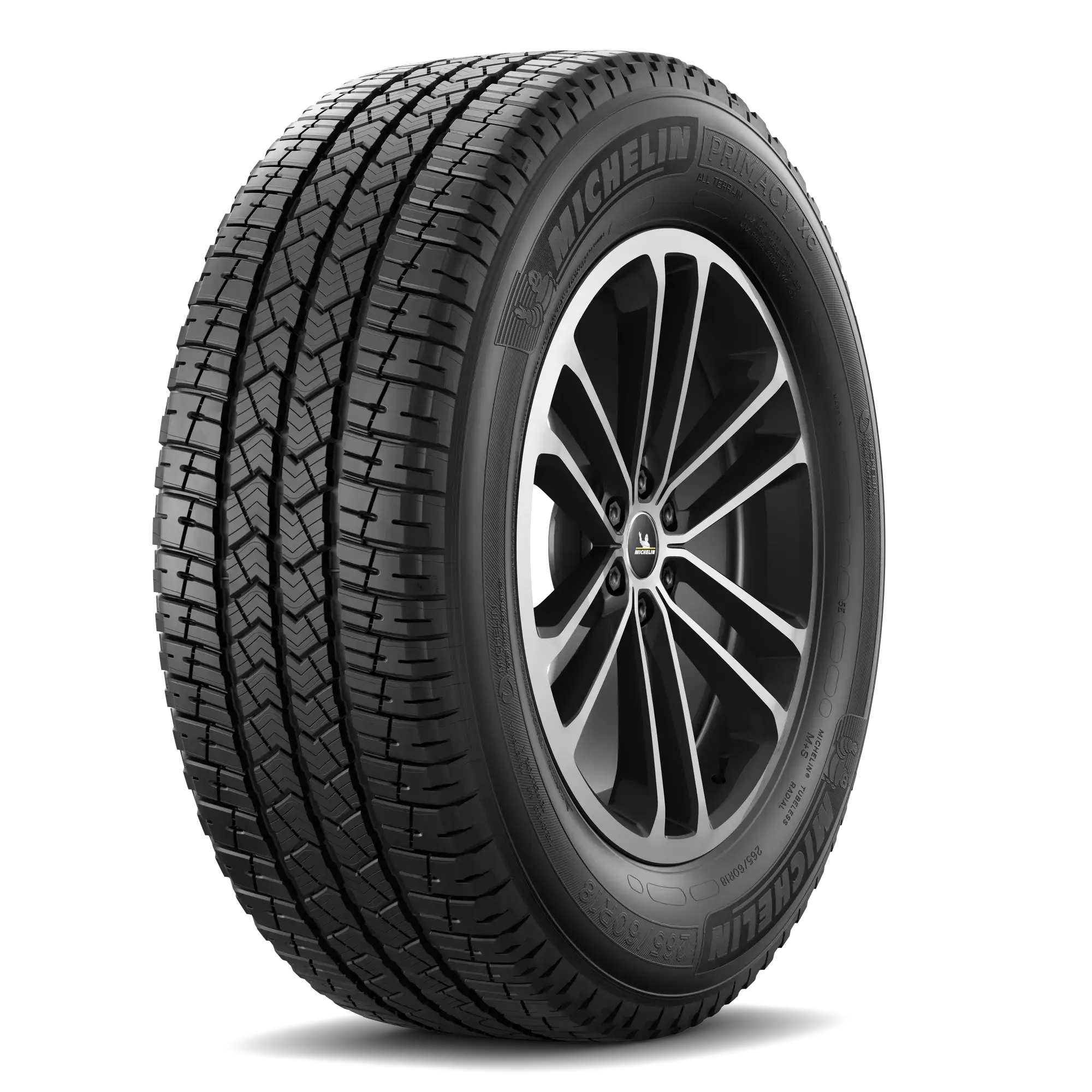
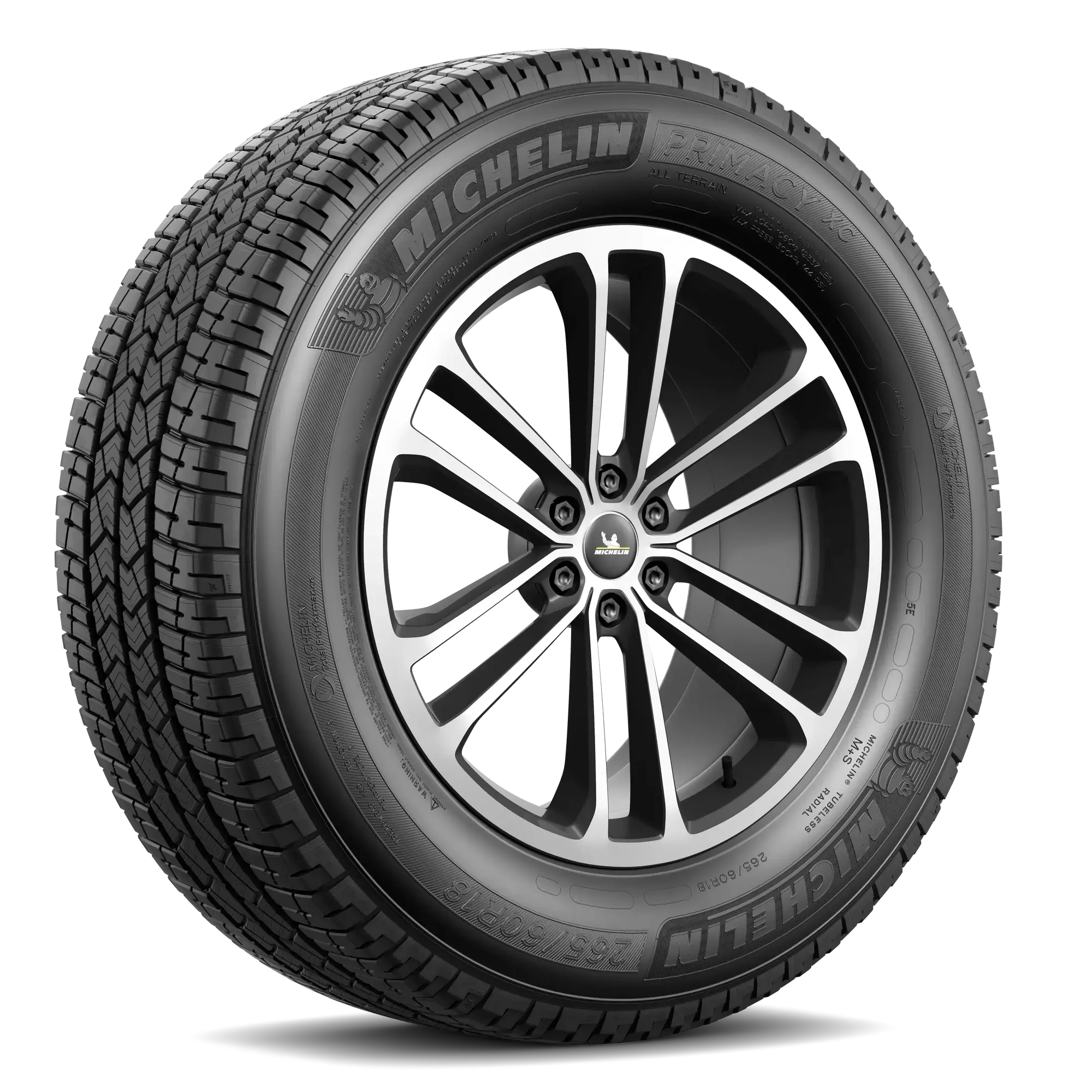

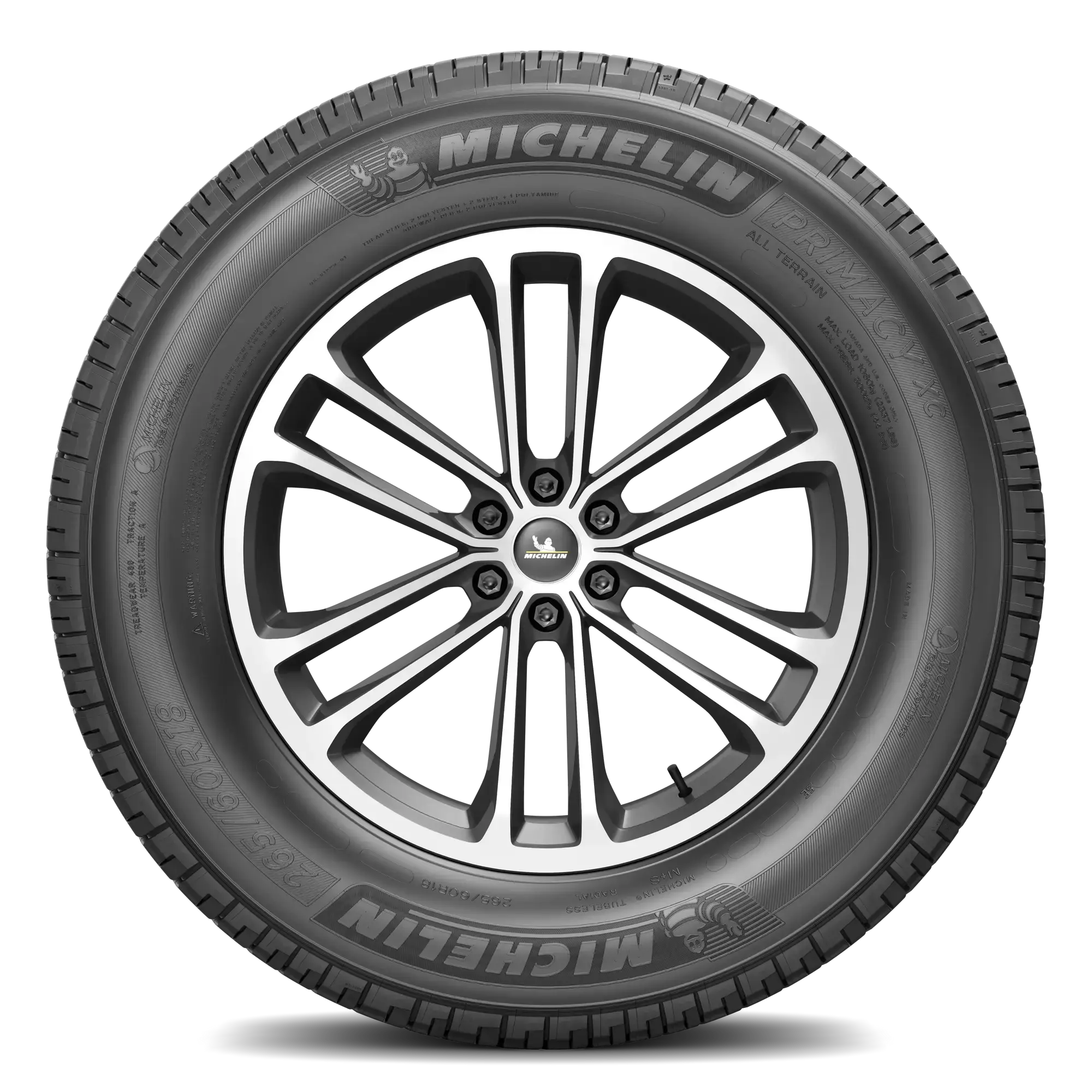
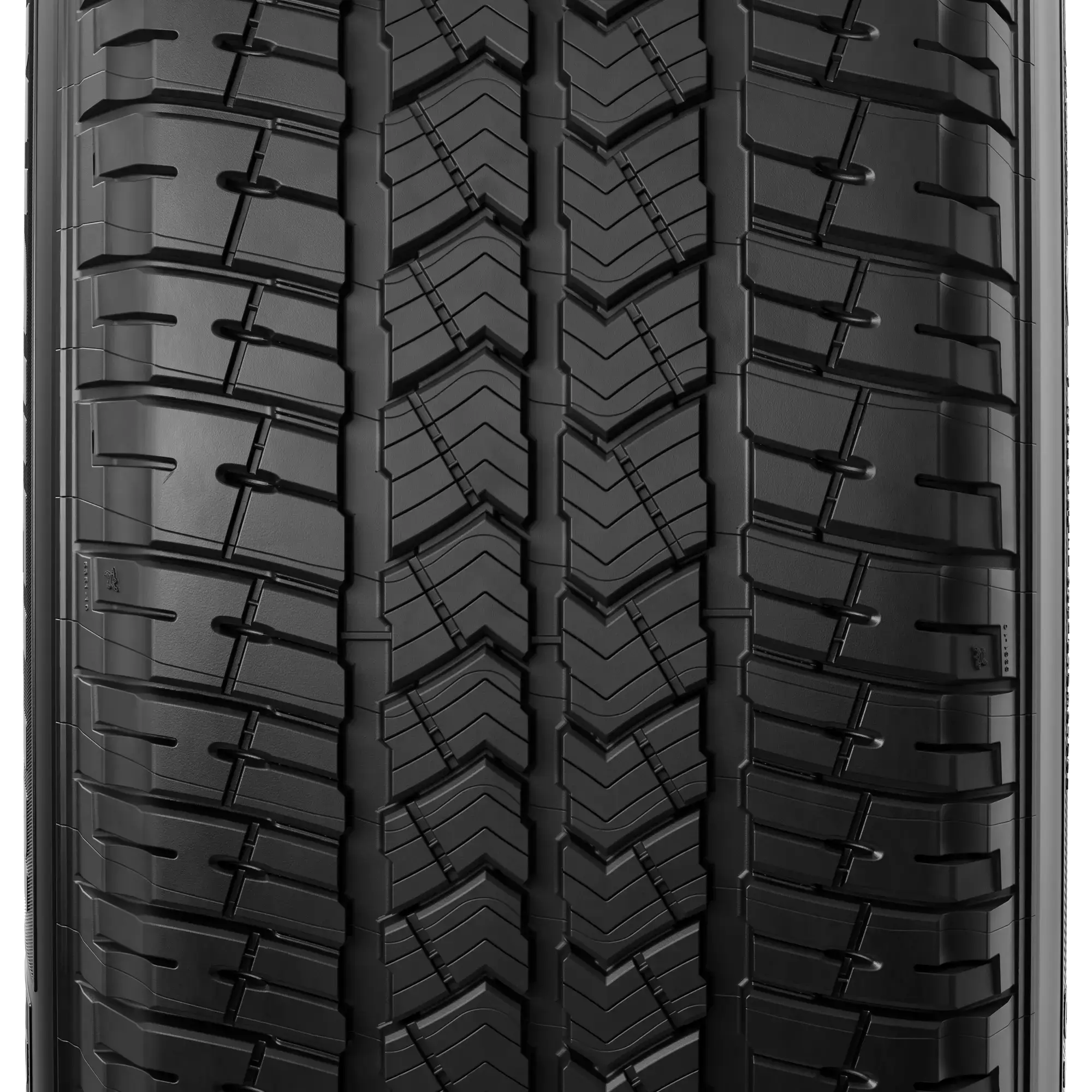
Get the most miles from your fuel tank or range from your batteries. Michelin's proven legacy of innovation makes these tires the best in class for efficiency, so you can drive the distance knowing you're doing your part for the environment.
Developed in conjunction with the world's leading truckmakers, Michelin launched the MICHELIN® Primacy® XC tire to deliver not only light All-Terrain performance, but also a quiet and comfortable ride on-road and excellent fuel efficiency.
- Rugged Good Looks
- Quiet & Comfortable Ride
- Fuel Efficiency
- Supported by the Michelin Promise Plan of a 60-day satisfaction guarantee, roadside assistance, and a mileage warranty up to 55,000 miles.
MICHELIN
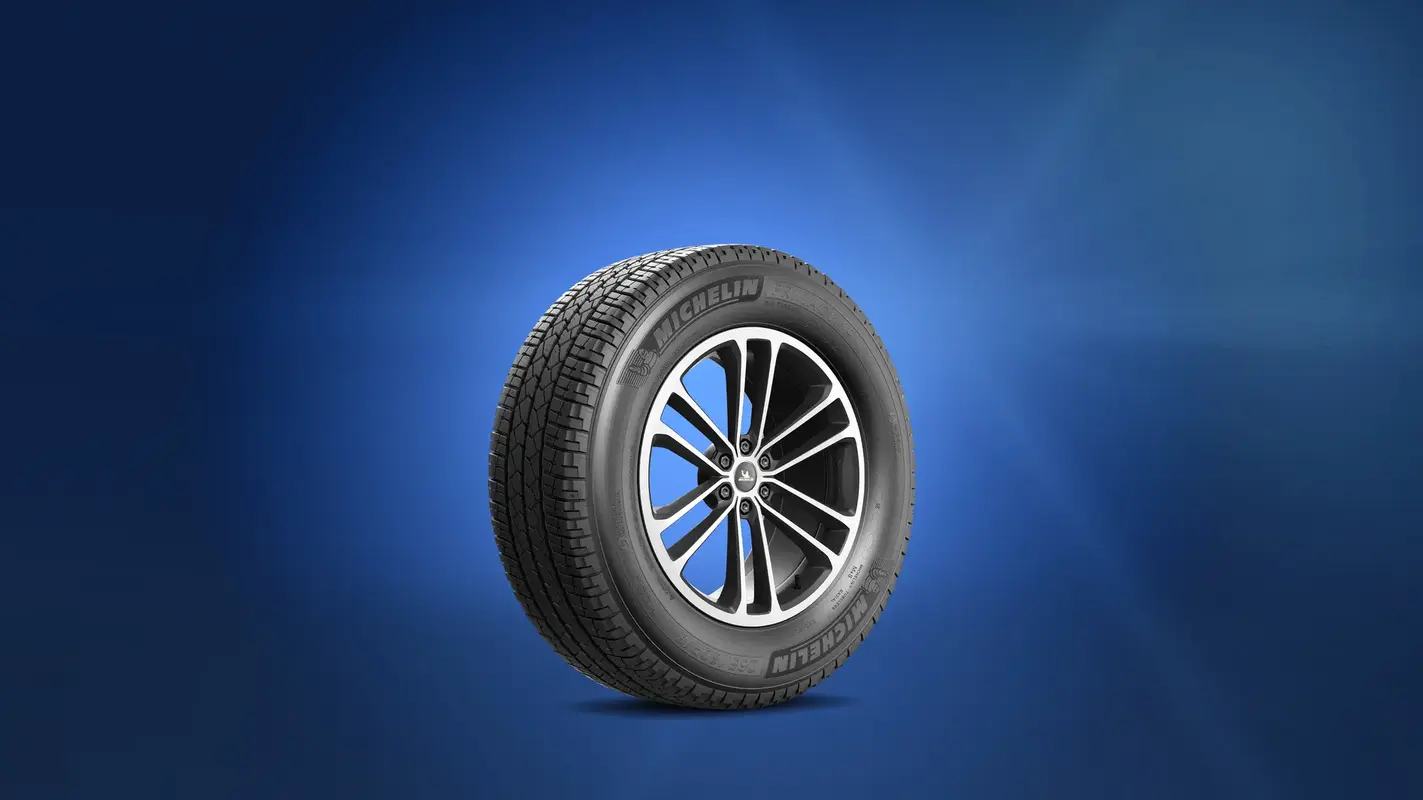
Key benefits for MICHELIN Primacy XC tire
Rugged Good Looks
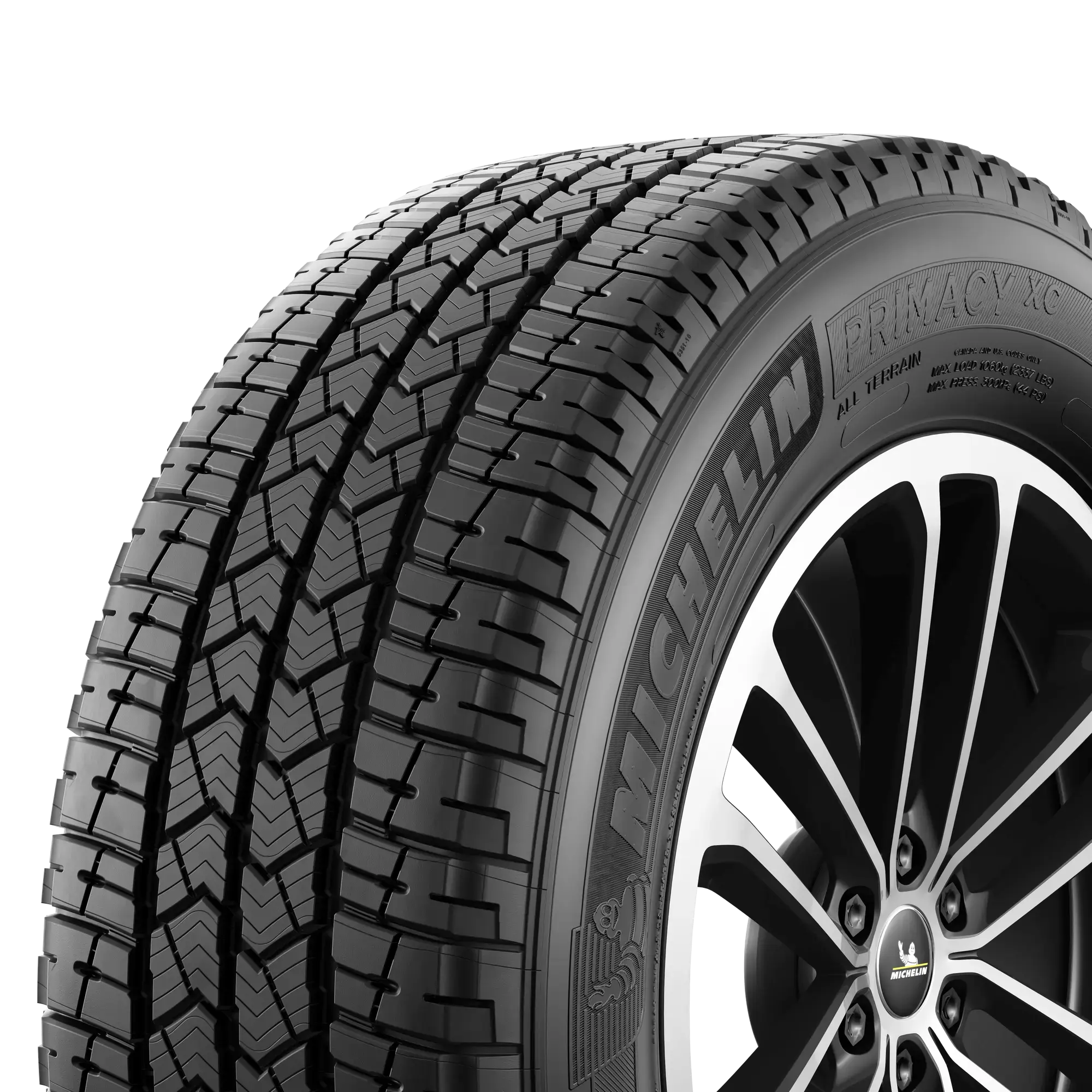
The Primacy® XC's all-new tread design gives your 4x4 truck or SUV the A/T look that it deserves.
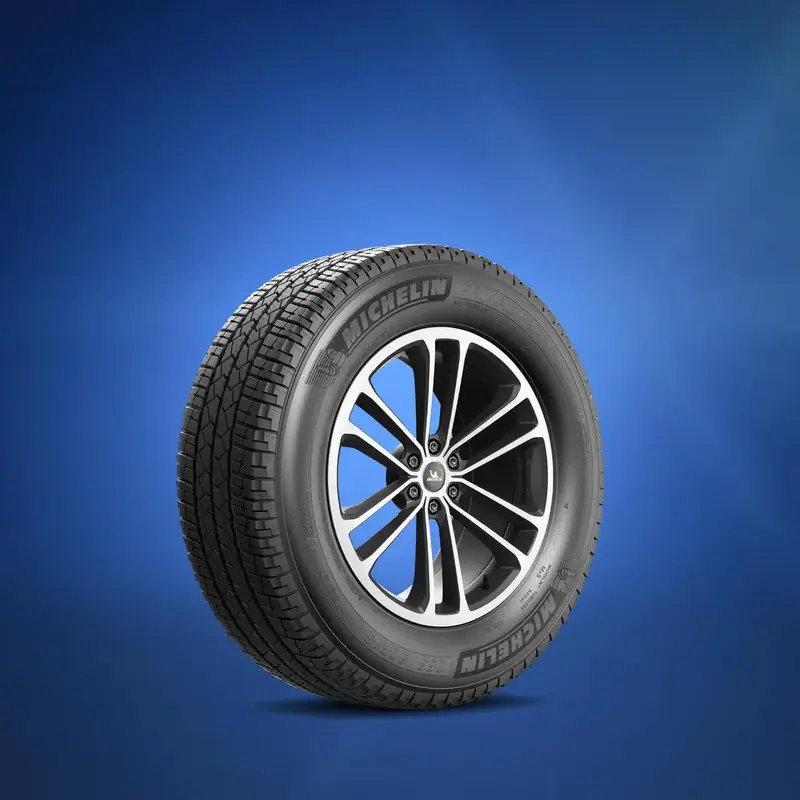
MICHELIN Primacy XC Warranties
We've got your back. A promise of this magnitude can only come from Michelin.
We want you to be 100% satisfied with your Michelin replacement passenger or light truck tires so they are backed by the Michelin Promise Plan™.
The Michelin Promise Plan™ includes the following benefits: 60-Day Satisfaction Guarantee, Roadside Assistance, Manufacturer's Limited Warranty & Treadwear Warranty.
Discover more 
Primacy XC TIRE REVIEW
There are 108 reviews for the Primacy XC

Rating Snapshot
When asked, 39% of reviewers recommend this tire
For any matter regarding customer service (in-store experience, after-sales service, delivery, etc.) please contact our Consumer Care team
Review Summary
The product has mixed reviews, with many customers reporting poor traction and performance in snow and wet conditions, as well as rapid tread wear leading to premature replacement. While some found the tires quiet and comfortable on dry roads, the majority felt the poor winter performance and short lifespan made them unsuitable, especially for trucks and in snowy climates. Overall, the tires seem to struggle in anything other than dry pavement.
AI-generated from the text of customer reviews
1-5 on 108 reviews

Posted on January 30, 2026 by Hwfarms
Collected by Bazaarvoice
Great Tire
My original tires from the factory on my 2024 GMC 3500 Dually had 71,456 Mi and still had old for 1/8 of a tread left on the tires with proper rotation. Just had a new set put on of the same Tire.
Vehicle Make: GMC 3500 Denali dually
Purchase date: 01/30/26
Posted on January 15, 2026 by FORD2025
Collected by Bazaarvoice
REPLACED OEM WITH SAME TIRE
REPLACED ORIGINAL TIRES WITH SAME MAKE/MODEL. EXPECT NOTHING BUT THE BEST PERFORMANCE AS THE ORIGINAL TIRES DELIVERED.
Design
Safety
Performance
Vehicle Make: FORD F150
Purchase date: 12/18/25
Posted on January 9, 2026 by JBTW200
Collected by Bazaarvoice
Long lasting and good wearing tire
These came factory installed on my 2024 GMC 3500 DRW. Currently have about 60k on them with a lot of those miles towing a 24000lb 5th wheel. These tires have held up fantastic. They are quiet on the road and deliver very good grip in the rain. I will be buying 6 more when the time comes to replace these tires. I figure i will get about 65k out of them which is fantastic for a OE tire.
Design
Safety
Performance
Vehicle Make: GMC 3500 Denali DRW
Purchase date: 07/07/23
Posted on November 10, 2025 by Dave49
Collected by Bazaarvoice
Zero complaints!
I’m not going to use the AI to generate my review so you get my honest response about these tires. I bought my truck used (24 Chevy 3500 DRW) and the Primacy tires were already on it. They had 37k on them when I bought the truck. Now they have 56k. I have absolutely zero complaints with these tires. Even wear; smooth ride, quiet ride, fuel efficient and so far…longer lasting than I would have expected on a dually. I will soon be shopping for a new set of tires but plan to get at least 70k out of these first. Unfortunately, I’d like to go up to a 255/80R17 but that’s not offered in the Primacy. And nothing else I have found has a similar tread pattern. So, instead of what I’d like to do, I’ll most likely go with these same tires again. I have found that running them at 70 psi seems to be the sweet spot for my application to get the best of all aspects.
Design
Safety
Performance
Vehicle Make: Chevrolet 3500 Silverado LTZ DRW
Purchase date: 03/31/25
Posted on November 7, 2025 by Chad
Collected by Bazaarvoice
Uneven Wear and Junk!
I only tow my camper with my 2024 Chevy 3500. Got a slight wobble at 9K and took it in, no steering parts issues. The wobble worsened. Less than 20K on these tires and they are shot; cracked, feathered, and unevenly worn. Dealer will not warranty them and told me to buy 6 new tires ($3000+). Blows my mind that a tire that costs $350+ does not have a solid warranty, especially when they are only 2 years old! Will never buy another Michelin product again.
Design
Safety
Performance
Vehicle Make: Chevy Silverado 3500HD High Country
Purchase date: 01/15/24
Chad, we’re truly sorry to hear about your experience with the Primacy XC tires. Uneven wear and premature deterioration are not what we expect from our products, and we understand how frustrating this situation must be. While warranty coverage can depend on factors such as usage, maintenance, and alignment, we’d like the opportunity to discuss with you further. Please give our Consumer Care team a call. We can be reached at 866-866-6605 (Mon–Fri 8 AM–7 PM EST, Sat 9 AM–1 PM EST).
Michelin US
November 14, 2025
Legal Mentions
H-Speed Rated Sizes:
Government UTQG Ratings do not apply to light truck sized tires.
XL = Extra Load
>> The sizes shown are average design values for tires measured on specified measuring rim widths. Some tires may vary from this value by +/-3% of the section height (affecting overall diameter), and +/-4% of the section width.
>> Section width varies approximately 0.2" (5mm) for every 0.5" change in rim width.
>> Tread patterns are often tuned to accomodate different tire widths. Tires for a particular dimension of a given tireline may vary in appearance from the tire shown in the photograph.
WARNING: Serious or fatal injury may result from tire failure due to underinflation or overloading. To ensure correct air pressure and vehicle load, refer to vehicle owner's manual or tire information placard on the vehicle. Serious injury or death may result from explosion of tire/rim assembly due to improper mounting. Only tire professionals should mount tires and they should never inflate beyond 40 psi to seat the beads. Before mixing types of tires in any configuration on any vehicle, be sure to check the vehicle owner's manual for its recommendations.
DANGER: Never mount a 16" diameter tire on a 16.5" rim.
DANGER: Never mount a 17" diameter tire on a 17.5" rim.
DANGER: Never mount a 19" diameter tire on a 19.5" rim.
DANGER: Never mount a 22" diameter tire on a 22.5" rim.
Inflation pressure increase must not exceed the maximum pressure branded on the tire sidewall. When a customer requests a replacement tire with a lower speed rating than the original equipment tire, you must clearly communicate to him or her that the handling of the vehicle may be different, and that its maximum speed capability is limited to that of the lowest speed-rated tire on the vehicle. Exceeding the lawful speed limit is neither recommended nor endorsed.
For high-speed driving, additional inflation pressure and possibly reduced tire loading and/or upsizing is required. In the absence of specific recommendations by the vehicle manufacturer, use the following guidelines based on those in the European Tyre and Rim Technical Organization Standards Manual.
For speeds over 160mph (100 mph), load and inflation must be adjusted according to the table below.
T-Speed Rated Sizes:
| Maximum Speed (mph) | 100 | 106 | 112 | 118 |
| Inflation Increase (psi) | 0.0 | 1.0 | 2.0 | 3.0 |
| Load Capacity (% of max.) | 100 | 100 | 100 | 100 |
| Maximum Speed (mph) | 100 | 106 | 112 | 118 | 124 | 130 |
| Inflation Increase (psi) | 0.0 | 1.0 | 2.0 | 3.0 | 4.0 | 5.0 |
| Load Capacity (% of max.) | 100 | 100 | 100 | 100 | 100 | 100 |