MICHELIN Pilot Alpin PA4


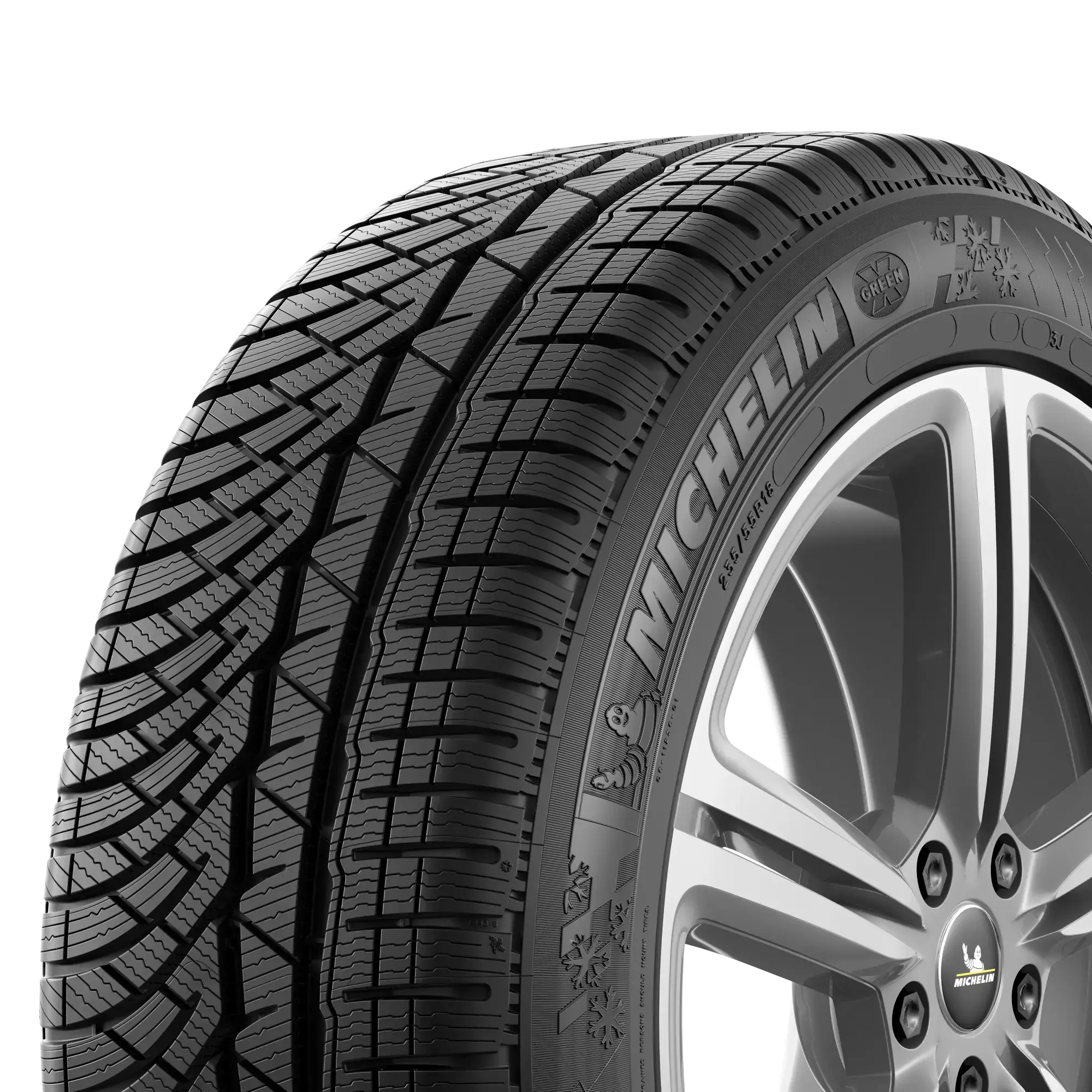
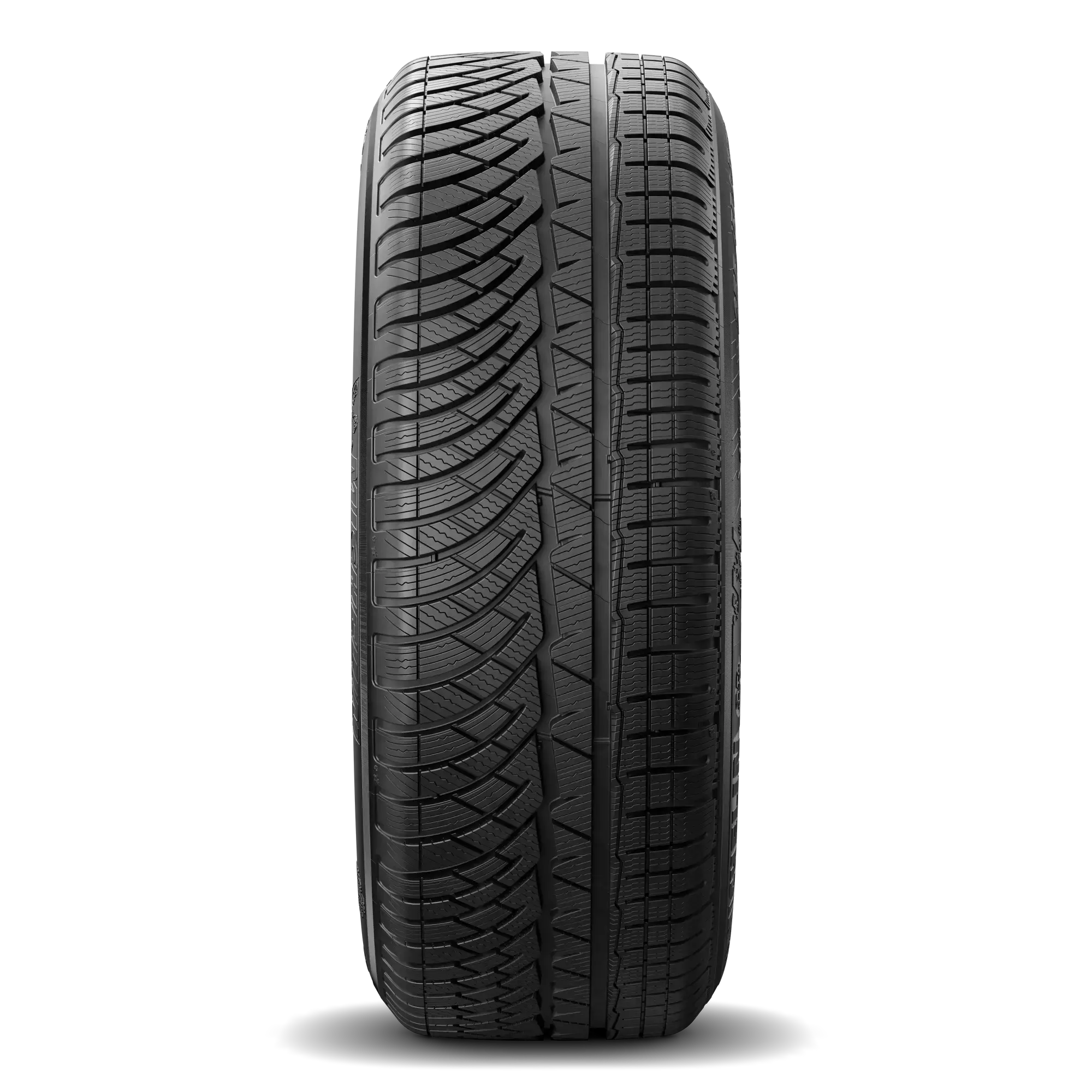
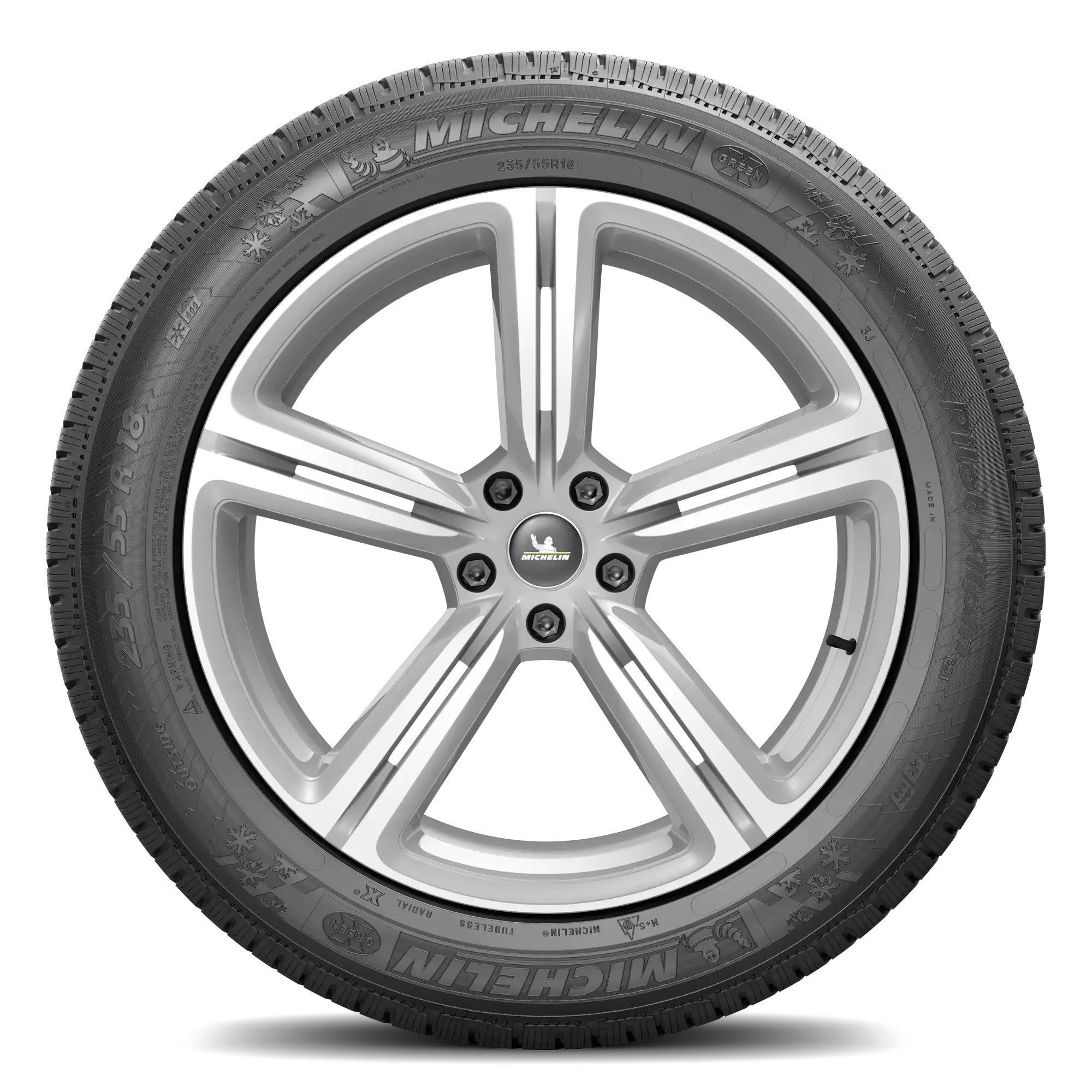
Life doesn't stop when it snows and you shouldn't either. These Michelin tires offer maximum mobility in winter conditions, keeping you in control and getting you to your destination safely. As the only winter tires to offer a mileage warranty, you can drive with peace of mind during winter for years to come.
More control in winter conditions
MICHELIN’s Pilot Alpin PA4 tires combine Pilot performance handling with Alpin winter capabilities for excellent grip and braking on snowy roads.
- MICHELIN high performance winter tire
- Great traction and braking performance on snow
- Grip and driving precision in severe winter conditions
- Designed for premium high performance car manufacturers
- Supported by a 30,000 mileage warranty
MICHELIN
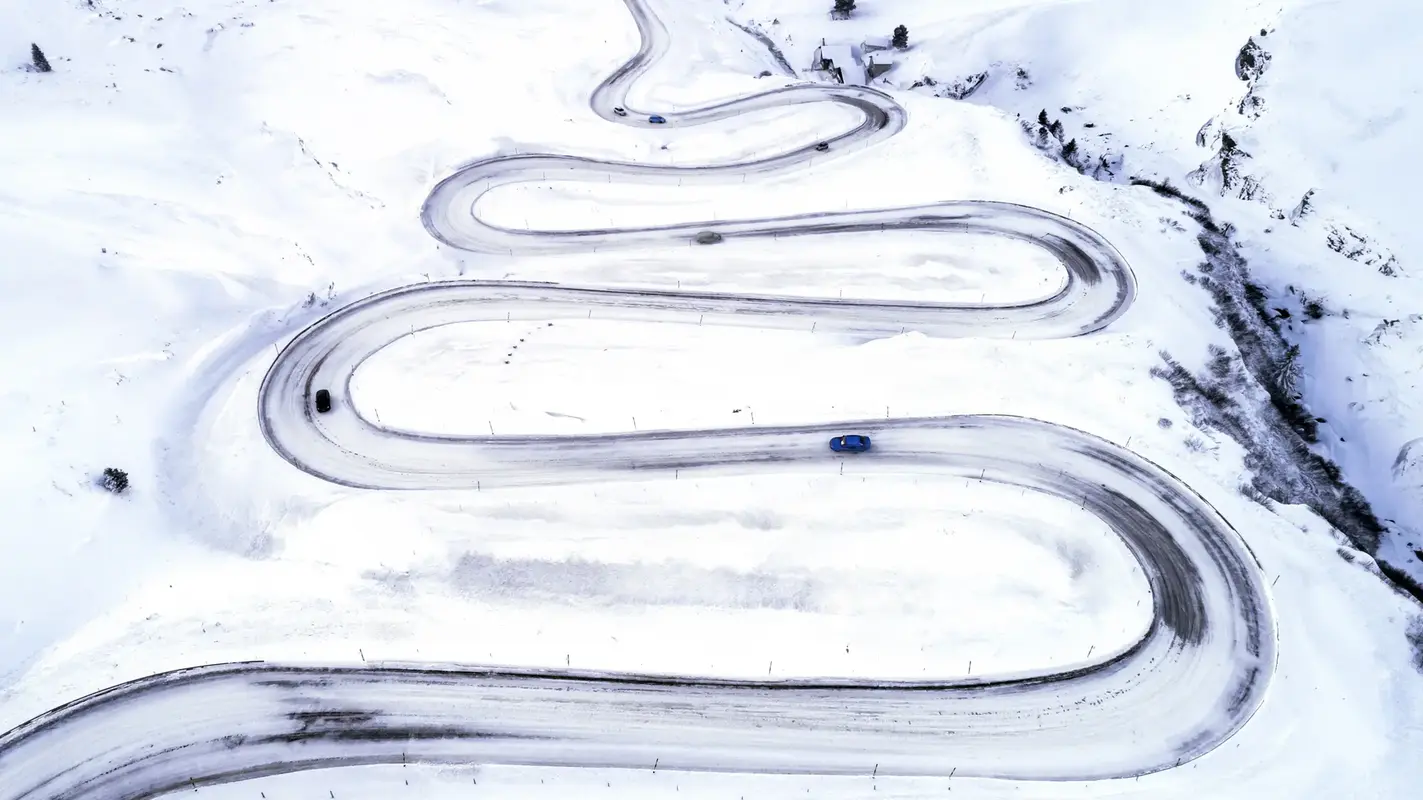
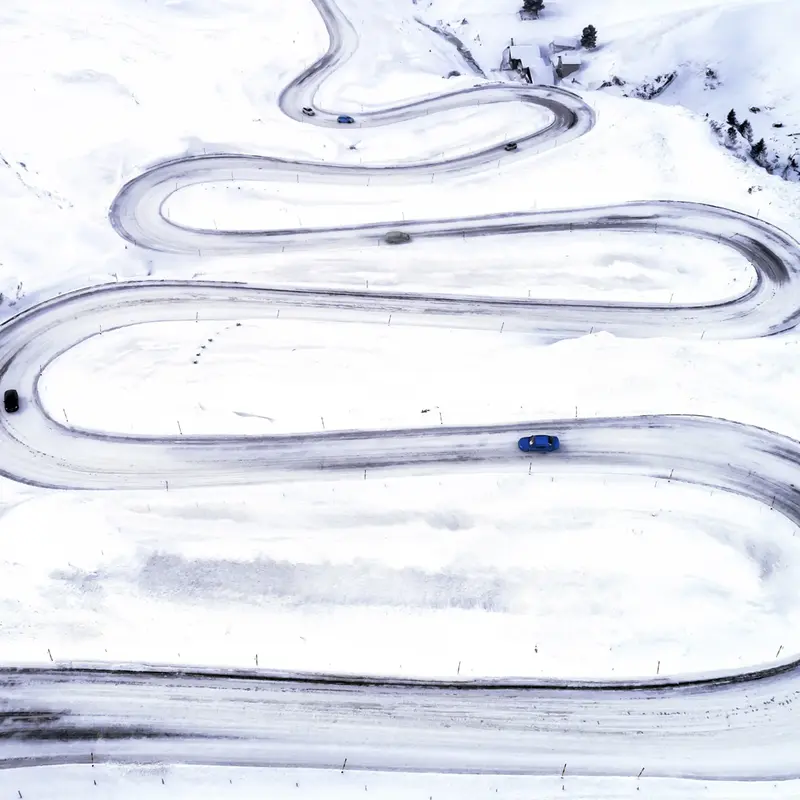
Key benefits for MICHELIN Pilot Alpin PA4 tire
Exceptional Control in Snow
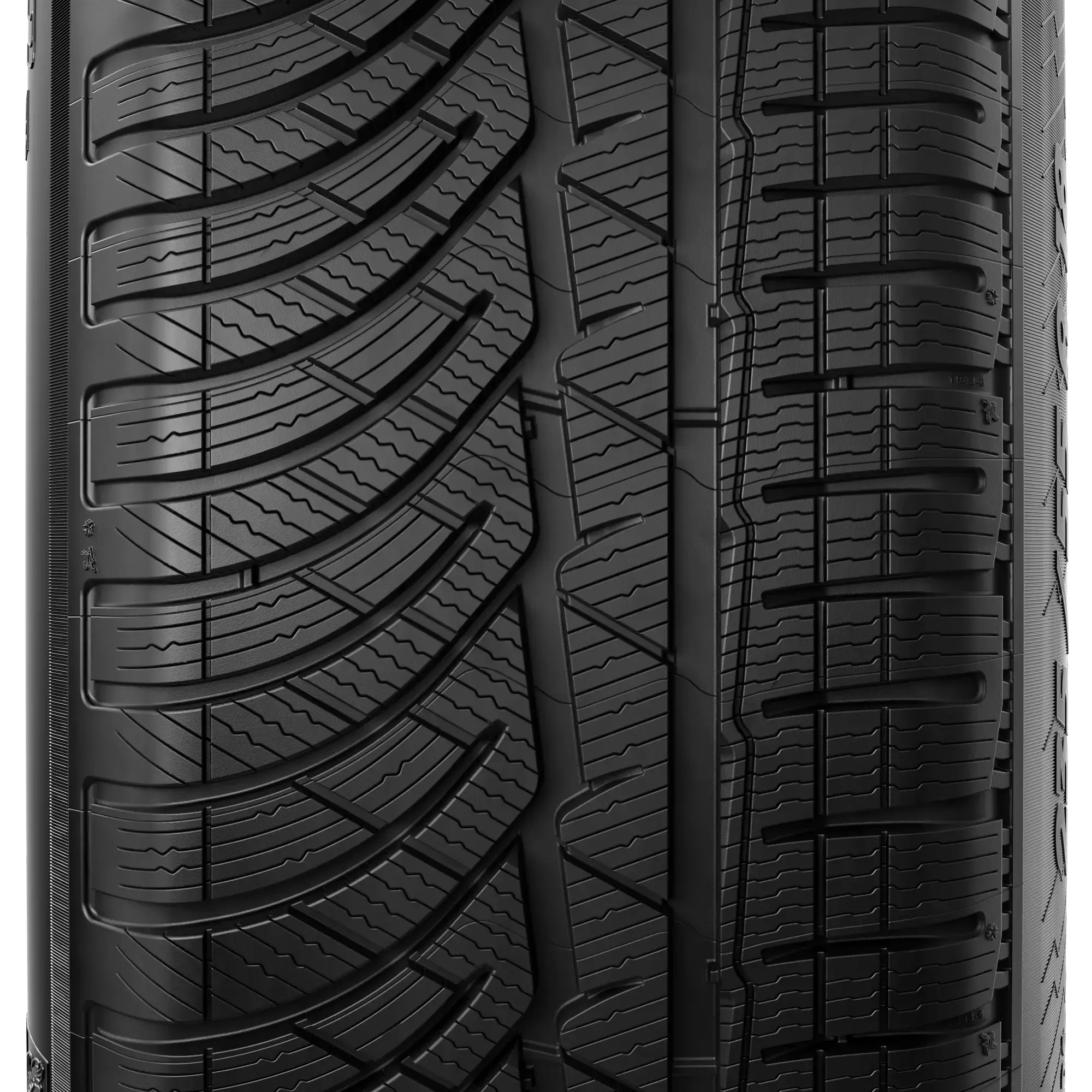
Equipped with an exclusive tread design and Stabiligrip, a 3D sipe technology, the Michelin® Pilot® Alpin® PA4™ tire makes light work of winter roads with a 10% improvement in snow acceleration and more than a 5% enhancement in handling on snow covered roads(1).
MICHELIN Pilot Alpin PA4 Warranties
We've got your back. A promise of this magnitude can only come from Michelin.
We want you to be 100% satisfied with your Michelin replacement passenger or light truck tires so they are backed by the Michelin Promise Plan™.
The Michelin Promise Plan™ includes the following benefits: 60-Day Satisfaction Guarantee, Roadside Assistance, Manufacturer's Limited Warranty & Treadwear Warranty.
Discover more 
Pilot Alpin PA4 TIRE REVIEW
There are 124 reviews for the Pilot Alpin PA4

Rating Snapshot
When asked, 91% of reviewers recommend this tire
For any matter regarding customer service (in-store experience, after-sales service, delivery, etc.) please contact our Consumer Care team
Review Summary
The Michelin Pilot Alpin PA4 winter tires provide excellent traction, stability, and braking on snow, ice, and wet roads, offering a confident and secure driving experience in harsh winter conditions. They also deliver impressive handling and responsiveness, with a quiet and comfortable ride quality. The tires are noted for their durable construction and long-lasting tread life, providing good value. While some limitations were reported in deep snow or on pure ice, the majority of reviews praised the Pilot Alpin PA4 as one of the best winter tire options, particularly for high-performance vehicles.
AI-generated from the text of customer reviews
1-5 on 124 reviews

Posted on March 7, 2026 by Denis F
Collected by Bazaarvoice
Pneus d’hiver remarquables
Très bonne tenue de route, assez silencieux, très bonne prise dans la neige et très pneus qui bonne tenue sur la glace, répond bien sur la route en hiver, dans les courbes et sur les arrêts. Je les recommande.
Posted on: michelin.com
Posted on February 17, 2026 by Sophb
Collected by Bazaarvoice
Super fonctionnalités
Bon pneus, silencieux belle adhérence et contrôle hivernal
Posted on: michelin.com
Posted on February 16, 2026 by Chris
Collected by Bazaarvoice
Great ride
My Michilin snow tires (on their own wheels) give me a smoother ride then my high end summer rubber
Posted on: michelin.com
Posted on February 16, 2026 by George
Collected by Bazaarvoice
Go to winter tire for a performance car
Great winter tires for a performance car (2026 VW GTI Autobahn). They are quiet, comfortable. The car handles lioke it was on rails on twisty mountain roads and Interstates. Excellent for snow and ice winter conditions and excellent when roads are dry or wet (unlike other winter tires).
Posted on: michelin.com
Posted on February 3, 2026 by The Irishman
Collected by Bazaarvoice
Great winter but Beware of Wear
Unfortunately, hit a pothole last week and got a bubble on the tire due to the hard impact. Good news, tire company honored their hazard warranty....bad news after just 3.5 winter seasons (less than 10k miles) I was told all tread was at 6/32 and I should replace all tires. That said, I drive a high performance car car, live in Colorado and was hoping to get at least another season out of them only to be told they were loosing their grip. Sad when the average cost for my tires is about $425 each. Otherwise great grip and handling up to this point.
Design
Safety
Performance
Vehicle Make: Cadillac CTS-V
Purchase date: 03/01/21
Legal Mentions
1 Internal testing: In comparison to the high standards of the Michelin® Pilot® Alpin® PA3™ tire.
V-Speed Rated Sizes:
W-Speed Rated Sizes:
Government UTQG Ratings do not apply to winter tires.
>> The sizes shown are average design values for tires measured on specified measuring rim widths. Some tires may vary from this value by +/-3% of the section height (affecting overall diameter), and +/-4% of the section width.
>> Section width varies approximately 0.2" (5mm) for every 0.5" change in rim width.
>> Tread patterns are often tuned to accomodate different tire widths. Tires for a particular dimension of a given tireline may vary in appearance from the tire shown in the photograph.
XL = Extra Load
DIR = Directional
WARNING: Serious or fatal injury may result from tire failure due to underinflation or overloading. To ensure correct air pressure and vehicle load, refer to vehicle owner's manual or tire information placard on the vehicle. Serious injury or death may result from explosion of tire/rim assembly due to improper mounting. Only tire professionals should mount tires and they should never inflate beyond 40 psi to seat the beads. Before mixing types of tires in any configuration on any vehicle, be sure to check the vehicle owner's manual for its recommendations.
DANGER: Never mount a 16" diameter tire on a 16.5" rim.
DANGER: Never mount a 17" diameter tire on a 17.5" rim
Inflation pressure increase must not exceed the maximum pressure branded on the tire sidewall. When a customer requests a replacement tire with a lower speed rating than the original equipment tire, you must clearly communicate to him or her that the handling of the vehicle may be different, and that its maximum speed capability is limited to that of the lowest speed-rated tire on the vehicle. Exceeding the lawful speed limit is neither recommended nor endorsed.
For high-speed driving, additional inflation pressure and possibly reduced tire loading and/or upsizing is required. In the absence of specific recommendations by the vehicle manufacturer, use the following guidelines based on those in the European Tyre and Rim Technical Organization Standards Manual.
For speeds over 160mph (100 mph), load and inflation must be adjusted according to the table below.
H-Speed Rated Sizes:
| Maximum Speed (mph) | 100 | 106 | 112 | 118 | 124 | 130 |
| Inflation Increase (psi) | 0.0 | 1.0 | 2.0 | 3.0 | 4.0 | 5.0 |
| Load Capacity (% of max.) | 100 | 100 | 100 | 100 | 100 | 100 |
| Maximum Speed (mph) | 100 | 106 | 112 | 118 | 124 | 130 | 136 | 143 | 149 |
| Inflation Increase (psi) | 0 | 1 | 2 | 3 | 4 | 5 | 5 | 5 | 5 |
| Load Capacity (% of max.) | 100 | 100 | 100 | 100 | 100 | 100 | 97 | 94 | 91 |
| Maximum Speed (mph) | 118 | 124 | 130 | 136 | 143 | 149 | 155 | 161 | 168 |
| Inflation Increase (psi) | 0 | 1.5 | 3.0 | 4.5 | 6.0 | 7.5 | 7.5 | 7.5 | 7.5 |
| Load Capacity (% of max.) | 100 | 100 | 100 | 100 | 100 | 100 | 95 | 90 | 85 |